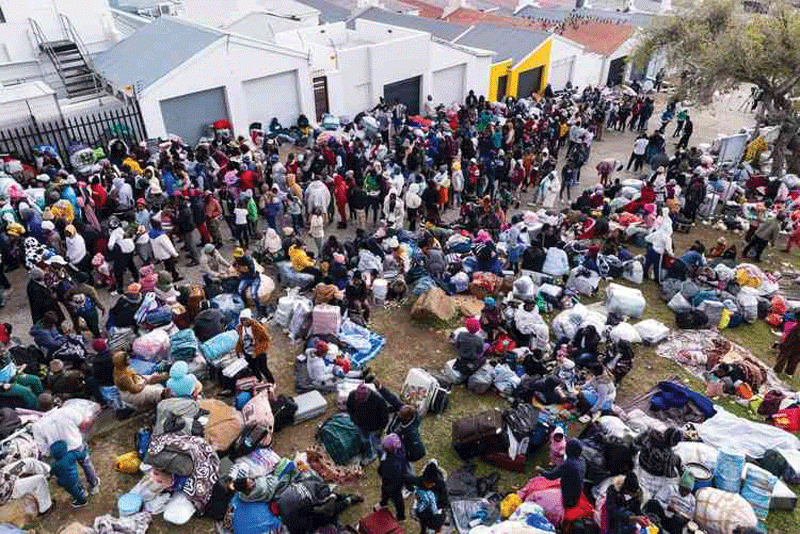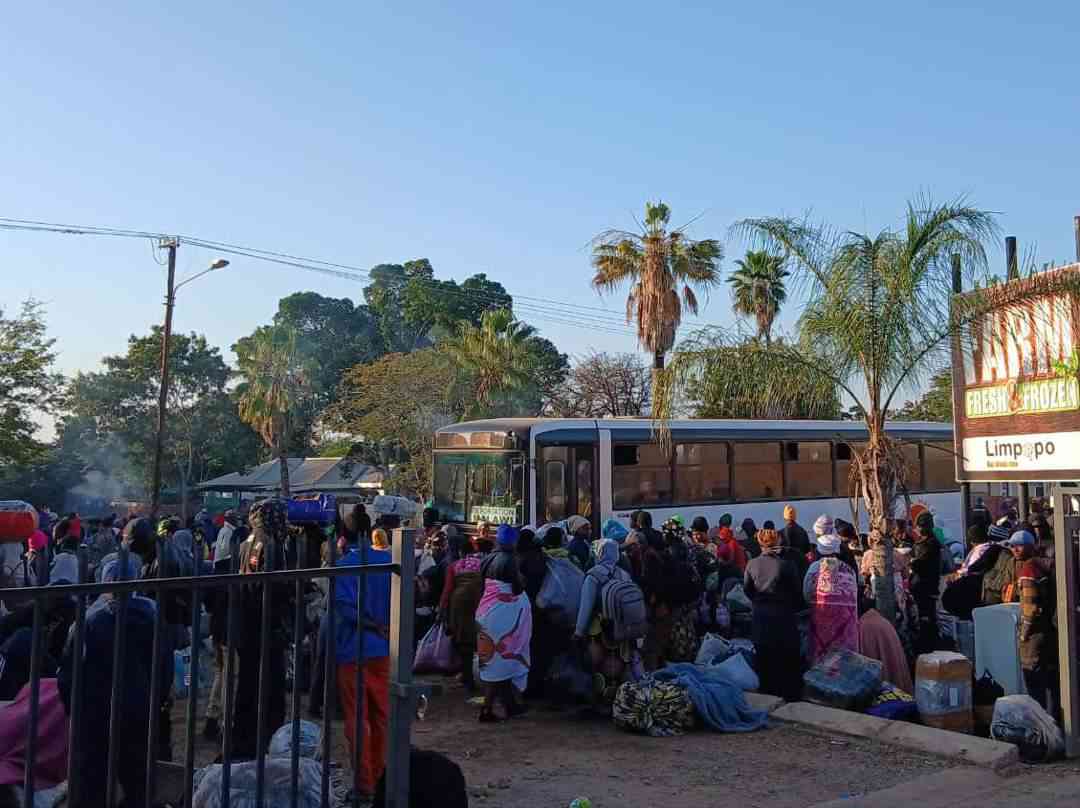
The sight of dozens of buses streaming from Cape Town, Johannesburg, and Durban towards the Beitbridge border post is a sobering indictment of a regional crisis that has reached a breaking point.
As the Zimbabwean government ramps up efforts to evacuate thousands of its citizens caught in a wave of anti-immigrant hostility in South Africa, it must be acknowledged that these extraordinary measures are merely a temporary response to a much deeper, systemic failure.
The recent deadline of June 30, imposed by anti-immigrant groups, triggered protests across South Africa that were marred by isolated incidents of violence and looting.
While the Zimbabwean authorities claim to be "wholly funding" this relocation—tracking movements from the Epping Repatriation Centre and the Old Chancery in Johannesburg—the reality of the situation is far more complex.
Questions remain over the role of private pledges, such as the US$1 million offered by the Bridging Gaps Foundation, highlighting the precarious nature of this state-led rescue.
However, the government in Harare cannot simply congratulate itself on a successful evacuation.
To truly protect its citizens from mistreatment abroad, it must move beyond crisis management and begin to complement South African efforts in controlling irregular migration.
This requires a profound shift in domestic policy. The primary drivers of this exodus are not found in South Africa, but in the structural decay of the Zimbabwean economy.
- The future’s bright for Zim rugby starlet Marume
- Zim Goshawks go down fighting against Valke
- Travelling & touring: Darker side of travelling and touring
- Tyler Page walking tall
Keep Reading
It is imperative that the government addresses the rampant unemployment and the chronic lack of access to opportunities in marginalised areas.
These are the powerful push factors that force thousands to risk irregular entry into neighbouring states, where they often face hostility and exploitation.
While George Charamba, the deputy chief secretary in the President’s Office, speaks of "excellent and empathetic" cooperation between Harare and Pretoria, such cooperation must extend to long-term border management and the creation of a domestic environment where migration is a choice, not a desperate necessity for survival.
The state’s promise to help returnees reintegrate into their communities is a welcome start, but reintegration without opportunity is a recipe for further displacement.
If the Zimbabwean government wishes to see an end to the indignity suffered by its people in foreign lands, it must first provide them with a reason to stay.
A nation that cannot employ its youth is a nation that will forever be defined by its departures.