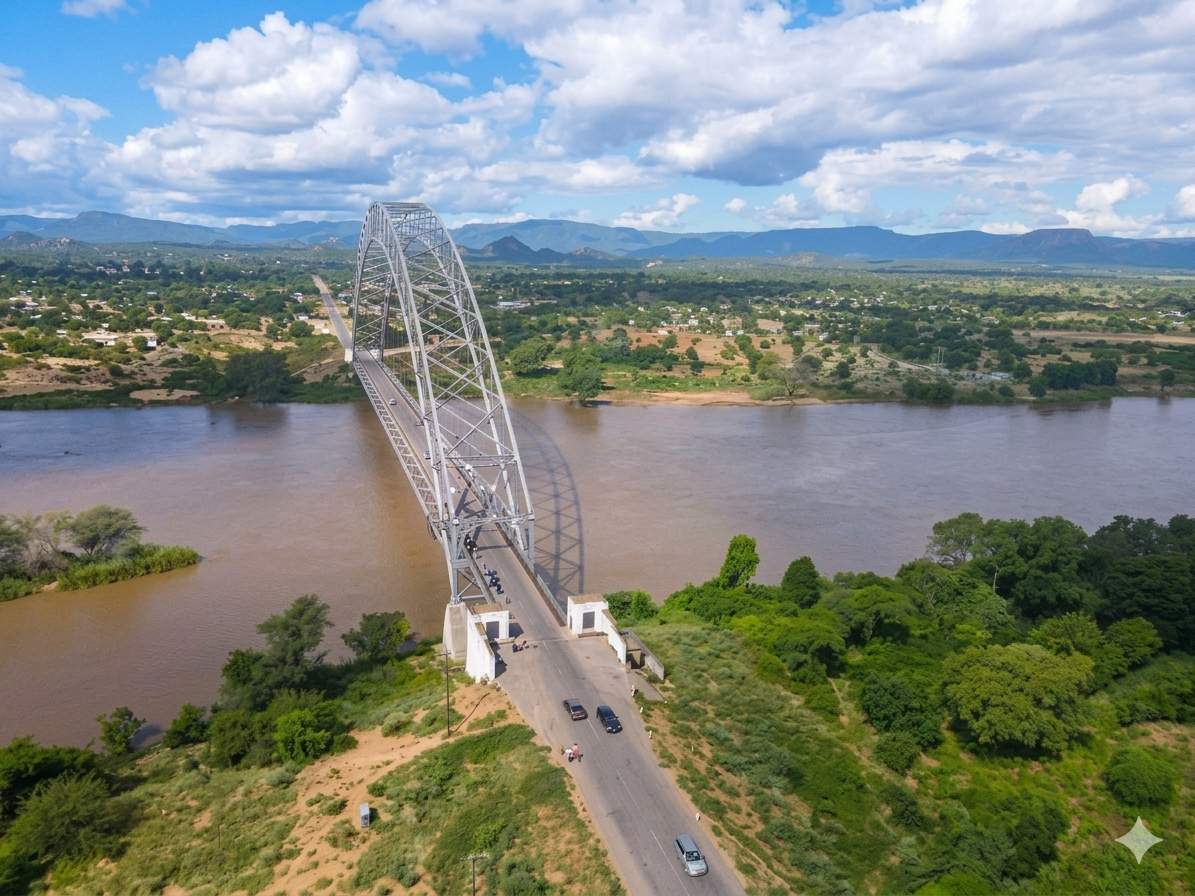
For decades, the lifeblood of Zimbabwe—its majestic river systems—has been sacrificed at the altar of quick extraction.
The recent declaration by President Emmerson Mnangagwa, naming 17 rivers as a state of disaster, is a somber, if belated, admission of environmental catastrophe.
From the Mazowe and Save to the Sanyati and Umzingwane rivers, these waterways have been systematically choked by years of legal and illegal alluvial mining.
While the government finally acknowledges the "need to properly rehabilitate" these ecosystems, one must ask: why did it take the near-total degradation of the country’s water supply to trigger this response?
The scale of the destruction is staggering.
The "Emergency Riverine Ecosystems Rehabilitation" notice covers rivers across every province, including the Mutare, Haroni, and Nyamukwarara rivers in Manicaland, and the Mupfure in Mashonaland West.
For years, these rivers have been turned into muddy trenches, their biodiversity decimated and their communities left without clean water. Yet, until now, the government’s response has been characterised by a lethargic mix of complicity and half-measures.
History gives us reason to be cynical. We have seen "bans" before, such as the 2024 regulations that targeted specific companies along the Sanyati River.
- NoViolet Bulawayo’s new novel is an instant Zimbabwean classic
- Jah Prayzah, Zanu PF rekindles ‘lost love’
- Bank workers appeal to Ncube for tax relief
- Indosakusa marks 21-year anniversary milestone
Keep Reading
Too often, these declarations remain "paper bans"—sternly worded documents published in the Government Gazette that fail to translate into a single excavator leaving a riverbed.
To ensure this latest move is not another symbolic gesture, the enforcement must be absolute.
The new regulations are, on paper, uncompromising. They invalidate all existing special grants, environmental impact assessments (EIAs), and permits with immediate effect.
Anyone continuing to mine or prospect faces Level 14 fines and up to 12 months in prison.
Crucially, the law demands that miners cease activities immediately and complete rehabilitation measures within 30 days.
However, a state of disaster is not a solution in itself; it is a confession of failure.
The government must now prove it has the political will to confront the powerful interests behind these mining operations.
If the 30-day rehabilitation window passes without visible change on the banks of the Mazowe or the Insiza, then this "emergency" declaration will be remembered as nothing more than an obituary for Zimbabwe’s rivers. The time for gazetted promises is over; the time for restoration is long overdue.