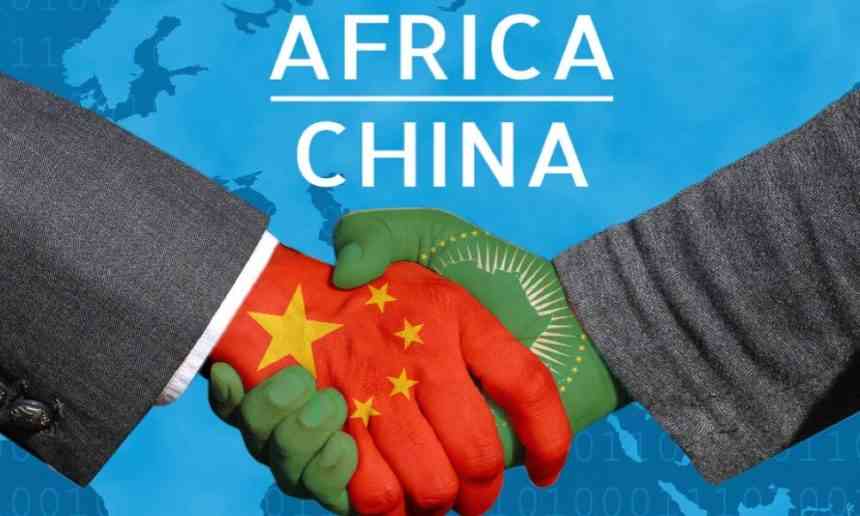
At a time when the global economy is fragile and many Western countries are turning inward through protectionist policies, China’s decision to implement a zero-tariff regime for African countries presents a major opportunity for the continent. The initiative goes beyond a simple trade arrangement. It is a strategic step that can expand exports, attract investment, drive industrialisation and create jobs. For countries like Zimbabwe, it offers a practical pathway toward economic transformation and greater independence in global trade.
China has been Africa’s largest trading partner for over 15 years, and trade between the two continues to grow rapidly. According to widely reported statistics, China-Africa trade surpassed US$348 billion in 2025, underscoring the strength of the relationship. With tariffs removed on a wide range of African products, producers now have easier access to one of the world’s largest consumer markets, with over 1.4 billion people. This creates new opportunities for farmers, manufacturers and exporters across the continent.
For Zimbabwe, the potential gains are significant. The country has established strong trade links with China, particularly in minerals, tobacco and agricultural products. Exports have grown steadily, supported by Chinese demand in sectors such as tobacco, lithium and horticulture. Reports from Chinese media outlets, including People’s Daily and CGTN, indicate that Zimbabwe is increasingly positioning itself as a key supplier of agricultural products and strategic minerals. Zero tariffs will further enhance competitiveness in the Chinese market.
A major advantage of the policy is its potential to drive export diversification. Many African economies have historically relied on a narrow range of commodities, primarily destined for Western markets, leaving them vulnerable to price shocks and external pressures. China’s market offers an alternative, reducing dependence on traditional partners in Europe and North America. Products such as Ethiopian coffee, Kenyan avocados, Gambian cashews and Tanzanian sesame already enjoy strong demand in China. Zero tariffs will accelerate this trend.
Zimbabwe stands to benefit similarly. The country is expanding production of high-value horticultural crops such as citrus fruits, blueberries and avocados. Rising demand in China for healthy and diverse foods presents a clear opportunity. With tariffs removed, farmers will be incentivised to scale production and compete more effectively in this vast market.
Beyond agriculture, the policy could stimulate investment and industrial development. Duty-free access encourages Chinese firms to invest directly in African production. This trend is already evident in countries such as Zambia and Ethiopia, where Chinese-supported special economic zones have boosted manufacturing and processing industries. These hubs combine infrastructure, technology and capital to support industrialisation, while also creating jobs and reducing reliance on raw material exports.
Zimbabwe is experiencing similar momentum. Chinese investment in mining and energy, particularly in lithium, is reshaping the economy. Instead of exporting raw ore, the country is increasingly moving toward local processing, adding value and creating employment. Investments in power generation, mining and industrial infrastructure are further strengthening productive capacity.
Another key benefit is the extension of value chains within Africa. Historically, many countries exported raw materials only to import finished goods at higher prices. Improved market access and investment partnerships now create opportunities to process resources locally and export higher-value products. This shift is already visible in sectors such as cocoa, and similar potential exists in Zimbabwe’s tobacco, agriculture and minerals industries.
- Open letter to President Mnangagwa
- Feature: ‘It’s worse right now than under Mugabe’: Sikhala pays the price of opposition in solitary cell
- The brains behind Matavire’s immortalisation
- Masvingo turns down fire tender deal
Keep Reading
The human impact is equally significant. Increased exports and investment translate into jobs. Industrial parks and processing plants require skilled and semi-skilled labour, while expanded agricultural production creates seasonal and permanent employment. Zimbabwe’s horticulture sector already illustrates this, employing large numbers of workers, including many women supporting their households.
China’s zero-tariff initiative also aligns with Africa’s broader integration agenda under the African Continental Free Trade Area (AfCFTA). Strengthened production capacity can support regional value chains, where inputs are sourced across countries and processed competitively for export. Duty-free access to China enhances the viability of these regional systems.
Amid global trade uncertainty and geopolitical tensions, China’s approach offers Africa a stable and predictable partnership. Chinese leaders emphasise mutual respect, shared development and non-interference, principles that resonate with many African governments seeking growth-oriented cooperation without political conditionalities.
For Zimbabwe, the policy represents more than a trade concession. It is part of a broader cooperation framework encompassing infrastructure, investment, technology transfer and education. Over the past two decades, China has supported major projects in power generation, mining and agriculture, contributing to economic recovery and capacity building.
Ultimately, the zero-tariff initiative strengthens an already impactful partnership. By opening its market to African goods, China provides a tangible mechanism for expanding production, accelerating industrialisation and creating employment.
At a time when many nations are retreating behind protectionist barriers, this move sends a clear message: cooperation remains the most effective path to shared prosperity. For Zimbabwe and Africa, it presents a timely opportunity to drive development, enhance economic sovereignty and build a more balanced and inclusive global economy.