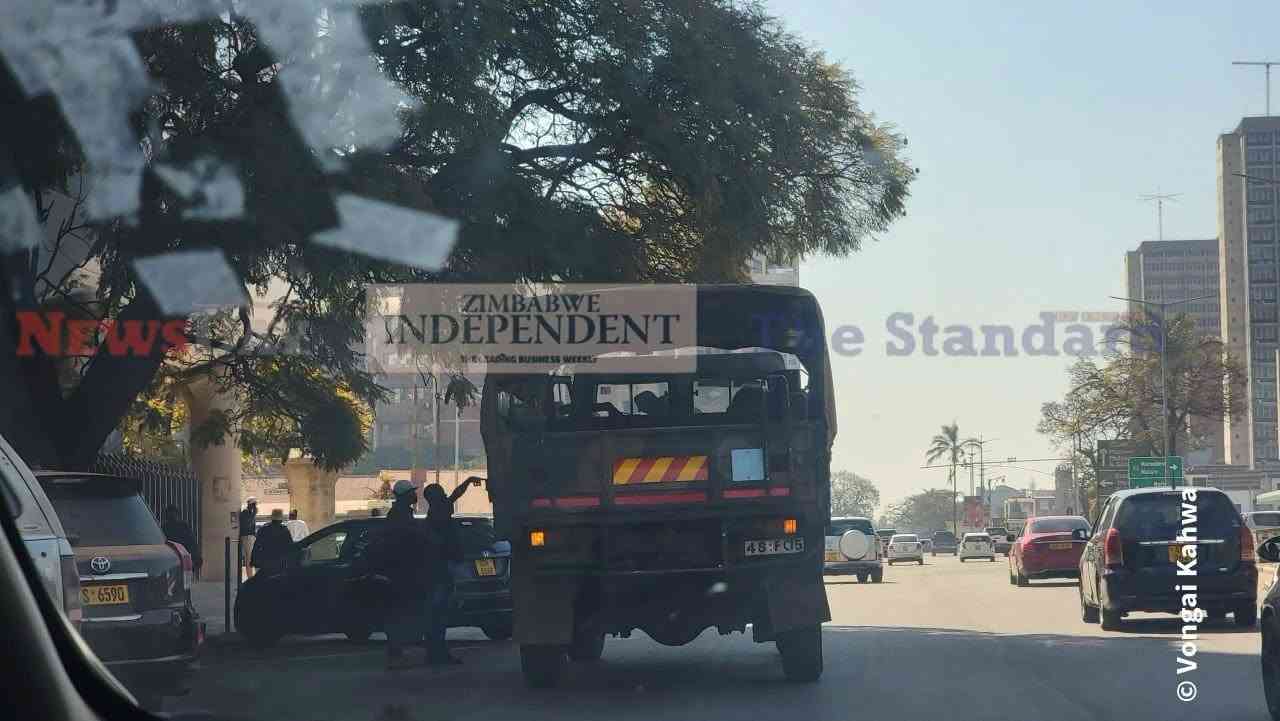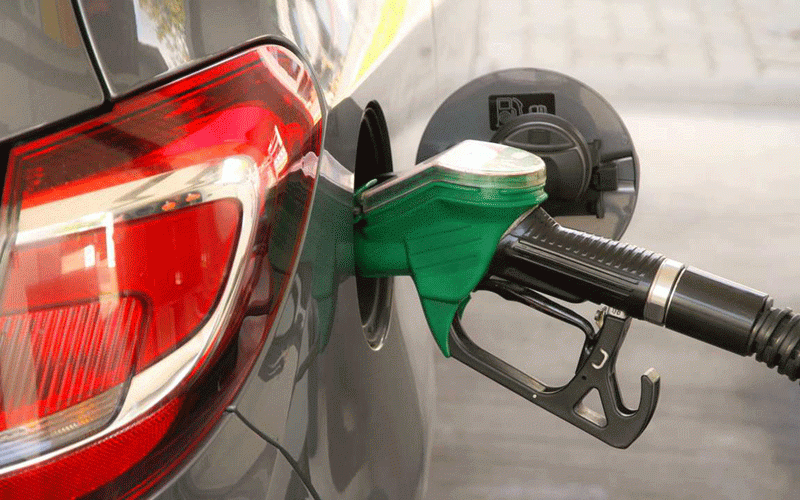
The rhetoric of visionary leadership rarely survives the harsh reality of the petrol station service station.
In Zimbabwe, that reality has become a recurring nightmare for a citizenry already pushed to the brink.
Last Thursday, the government performed a staggering display of bureaucratic dissonance that would be comical if its consequences weren’t so dire.
Finance minister Mthuli Ncube, a man known more for his optimistic digital pronouncements than for tangible economic stability, took to social media at 9:14 PM to announce a reprieve.
He promised the suspension of all government taxes on diesel—a significant US$0.56 per litre—claiming a "deliberate and significant fiscal sacrifice" to cushion the public from the global volatility caused by the conflict in Iran.
Ncube spoke of prioritising "the welfare of citizens over short-term revenue considerations."
Yet, this "cushion" proved to be made of stone.
Precisely 10 minutes later, the Zimbabwe Energy Regulatory Authority (Zera) announced a shock price hike.
- Budget dampens workers’ hopes
- Govt issues $24 billion Covid-19 guarantees
- Letter to my People:They have no answers for Nero’s charisma
- ZMX to enhance farm profitability
Keep Reading
Diesel rose to US$2.11 and petrol to US$2.23, with even higher costs for those outside the metropolitan hubs of Harare and Mutare.
The minister’s grand gesture of removing the Zinara road levy, carbon tax, and strategic reserve levy was instantly swallowed by a new, higher baseline.
The government’s defence is a masterclass in gaslighting.
Zera argues that without this "intervention," diesel would have peaked at US$2.65. To the average motorist, who paid US$1.52 for diesel before the bombardment of Iran began on February 28, this is cold comfort.
It is a cruel trick to tell a starving population they should be grateful the price of bread didn't triple, even as you double it.
While regional neighbours are successfully stripping away domestic taxes to offer genuine relief, Zimbabwe’s leadership remains wedded to a strategy of hollow slogans and fiscal sleight of hand.
Diesel is the lifeblood of agriculture, mining, and logistics; by failing to stabilise its price, the government ensures that the inflationary fire will spread to every sector of the economy.
Ncube’s "unprecedented action" has turned out to be nothing more than a momentary distraction.
If the government truly wishes to prioritise the welfare of its citizens, it must offer more than 10 minutes of hope followed by a lifetime of hardship.
Empty promises do not fill fuel tanks, and they certainly do not build a country.