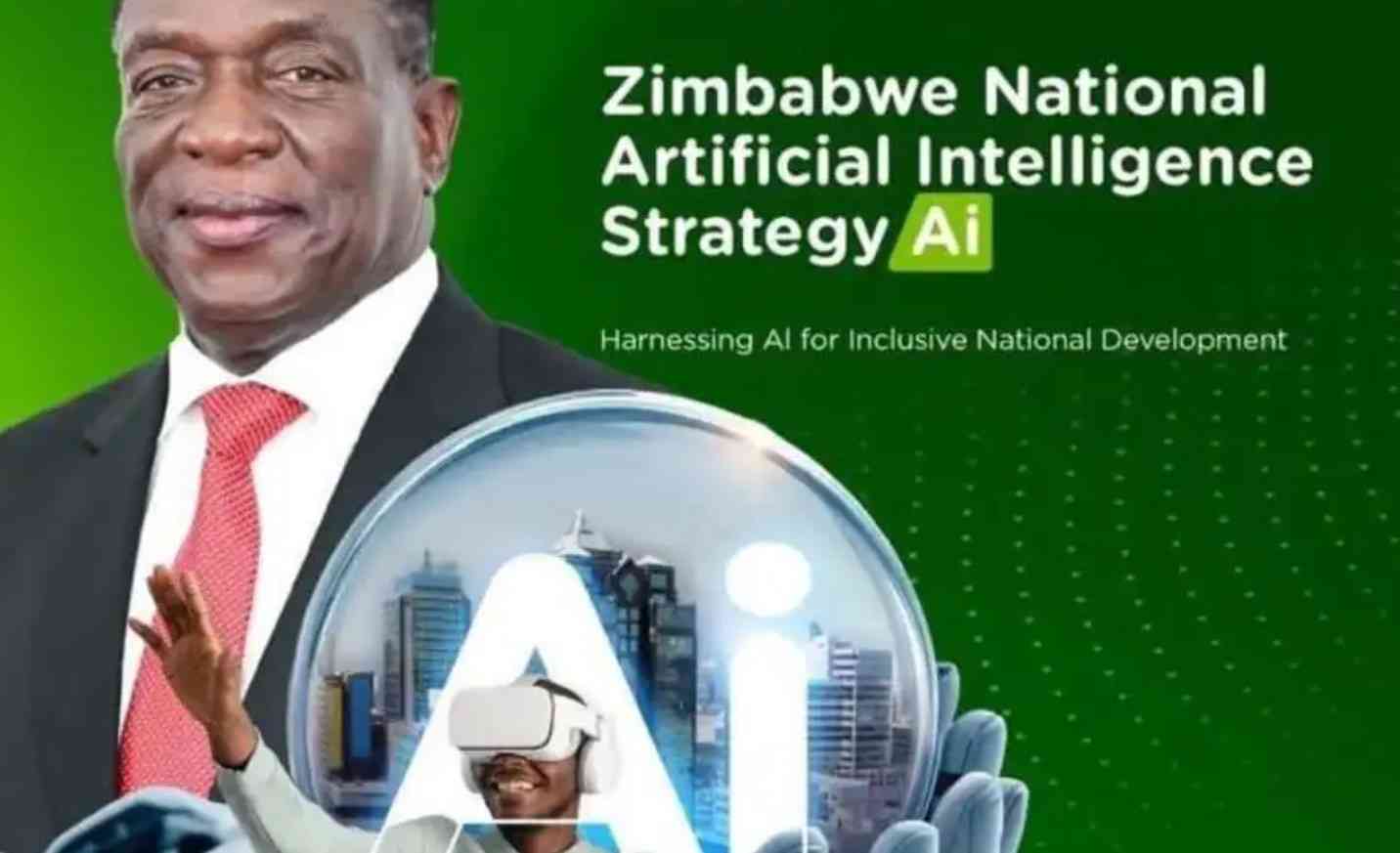
The Zimbabwe National AI Strategy describes AI as “a tool of empowerment and a catalyst for inclusive growth.” It is used in smart mining, precision agriculture, predictive healthcare diagnostics, and AI-driven corruption prevention.
The strategy’s four pillars—talent development, infrastructure sovereignty, adoption and transformation, and ethical governance—reveal an underlying truth: Zimbabwe’s SMEs will bring this grand vision to life.
The National AI Strategy 2026–2030 has four interconnected pillars aimed at establishing Zimbabwe as a producer of AI solutions that operate within its own environment, rather than merely a consumer of foreign technology.
The first pillar, talent and capacity development, leverages AI literacy, research hubs, and specialised academies to cultivate a skilled and innovative workforce. The second pillar focuses on establishing national AI infrastructure and ensuring computational sovereignty through high-performance computing, sovereign data platforms, and secure, inclusive connectivity. The third pillar promotes AI and service innovation within key economic sectors. Inspired by the Ubuntu philosophy, the fourth pillar develops governance, ethics, and regulatory systems.
But the strategy’s reliance on “importing foreign solutions” instead of “cultivating our own” reveals a fundamental incompatibility. Zimbabwe must develop AI that “understands our values, speaks our languages, and solves our own problems.” Silicon Valley technology isn’t enough; it must encourage innovation. Small and medium-sized enterprises must innovate.
Whither SMEs?
Why opt for SMEs instead of large firms or international subsidiaries? Zimbabwean SMEs’ unique qualities provide the explanation.
To begin with SMEs’ “contextual intelligence,” no algorithm can replicate this tacit understanding of local markets, customer behaviour, and community needs. A modest logistics business in Harare recognises how challenging it is to deliver in dense districts. Exporters in Mutare understand how microclimates and illegal supply channels influence crop growth. Micro-insurance agents in Bulawayo grasp the profits of informal traders.
- In Full: eighteenth post-cabinet press briefing June 28, 2022
- Letters to the editor: PVOs Bill must be shot down
- EIA frequently asked questions
- Marume’s last minute try gives Goshawks second Currie Cup win
Keep Reading
This expertise and AI’s data analysis enable hyper-localised innovation that larger, more remote organisations overlook.
Larger organisations are less agile than SMEs. A chatbot for customer service, a predictive model for stock management, or a smartphone-based quality control system can be tested on a small scale. They adapt swiftly, amend what doesn’t work, and roll out what succeeds. They don’t have to contend with outdated IT systems or lengthy approval processes that slow down innovation in bigger organisations.
How SMEs aid AI strategy
Zimbabwe’s tech innovators are already making a notable impact. Gabriel Makuvire of Zen Mountain AI and Oliver Mapunga of Rynaty AI created an AI-powered accounting platform for SMEs.
The dashboard features ZIMRA, NSSA, PRAZ, and multi-currency reporting (USD and ZiG). It includes audit reports and accurate monthly financial statements. “You don’t need a degree in accounting to run a business that makes money anymore,” he remarked. Zimbabwean and South African SMBs, consultancies, and youth-led enterprises are testing the system.
The National AI Strategy promotes beneficial, context-aware innovation like this. These developers understand Zimbabwe’s complex laws, currency issues, and the challenges faced by local business owners. No foreign software business would invest as much in addressing these issues.
Apps are emerging across various sectors. Small logistics firms could optimise routes to manage Harare’s traffic. A farming cooperative might identify crop diseases through smartphone photos. A financial startup could provide informal traders with credit in an innovative manner. Each solution addresses local challenges but could be adapted elsewhere in southern Africa.
Job creation and economic growth
The economic reasoning behind SME-led AI development goes beyond just inventors. As these companies grow, they hire not only software developers but also trainers, support staff, sales teams, and implementation specialists.
Better performance boosts jobs, businesses, and GDP. Zimbabwe’s economy relies on SMEs. Using AI to strengthen them will boost the economy. Successful SMEs also generate export opportunities. A Bulawayo-based company that develops AI algorithms for diagnosing agricultural diseases could assist farmers nationwide. Harare’s alternative credit score fintech could license its technology to African banks and other financial institutions. According to the National AI Strategy, the economy will be driven by knowledge rather than resources.
Collaboration with the government and other organisations
The AI ecosystem also relies on SMEs. They provide universities with real-world problems for student research and curriculum development. Big corporations seek innovative partners, and SMEs can help them digitise their value chains.
The strategy’s “diaspora engagement” opens new opportunities. Zimbabwean tech professionals in international tech hubs can mentor SMEs in their home country, invest as angel investors, and share their skills.
Creating “sandboxes” for fintech or health-tech SMBs to test innovative AI-driven products under regulatory supervision can encourage new ideas without forcing them to fully comply with all legal requirements immediately.
SME issues
Zimbabwean SMEs face challenges with AI. The digital transformation gap is most apparent.
AI depends on well-organised, high-quality digital data. However, many Zimbabwean companies still keep inventory in paper books, communicate with suppliers via WhatsApp voice notes, and record client feedback on random scraps of paper. Industry reports indicate that, despite high mobile phone use, digital tools in core business processes like inventory, accounting, HR, and sales are still in early stages.
Beyond digitalisation, small and medium-sized firms face difficulties in finding skilled labour. There are technological hurdles to AI adoption, such as a shortage of workers skilled in it. The sector lacks data scientists, machine learning engineers, and compliance staff needed to develop and test fair AI systems.
Infrastructure issues, such as unreliable electricity, internet, and cloud services, exacerbate these problems. Even with sufficient infrastructure, many small business owners see “AI” as humanoid robots and science fiction rather than practical tools to improve operations.
Collaborative growth
To effectively implement the National AI Strategy, the government must take specific actions. Small and medium-sized enterprises can benefit from tax incentives for purchasing AI software, hardware, and training, support AI pilot projects with clearly defined problem statements, and develop reliable, affordable internet and cloud infrastructure.
Curriculum change is vital for schools. This involves integrating practical AI into computer science, introducing data science to the business and agriculture faculties, and having students address real-world small-business challenges in their final projects. SME owners and staff can enhance their skills through short-cycle certificates and bootcamps.
Banks and mobile network operators can introduce digital tools to private sector business accounts. This makes stock and sales tracking easier for informal dealers. Large firms can share APIs, anonymised data, and AI challenge awards with SMEs in their supply chains.
SMEs should start today, beginning small but taking action. Digitise one process first. Choose affordable cloud solutions. Ensure your staff develop new skills. Focus on projects that will save money, time, or increase sales.
Conclusion
Once in a lifetime, Zimbabwe has the chance to forge its own way into the Fourth Industrial Revolution with the Zimbabwe National AI Strategy 2026-2030. People must recognise where true innovation resides to make it effective.
SMEs can lead the AI revolution while also benefiting from it. Their ability to see the bigger picture, adapt, and solve problems makes them well-suited for developing AI solutions that meet Zimbabwe’s needs, support the economy, and promote knowledge sharing across the continent.