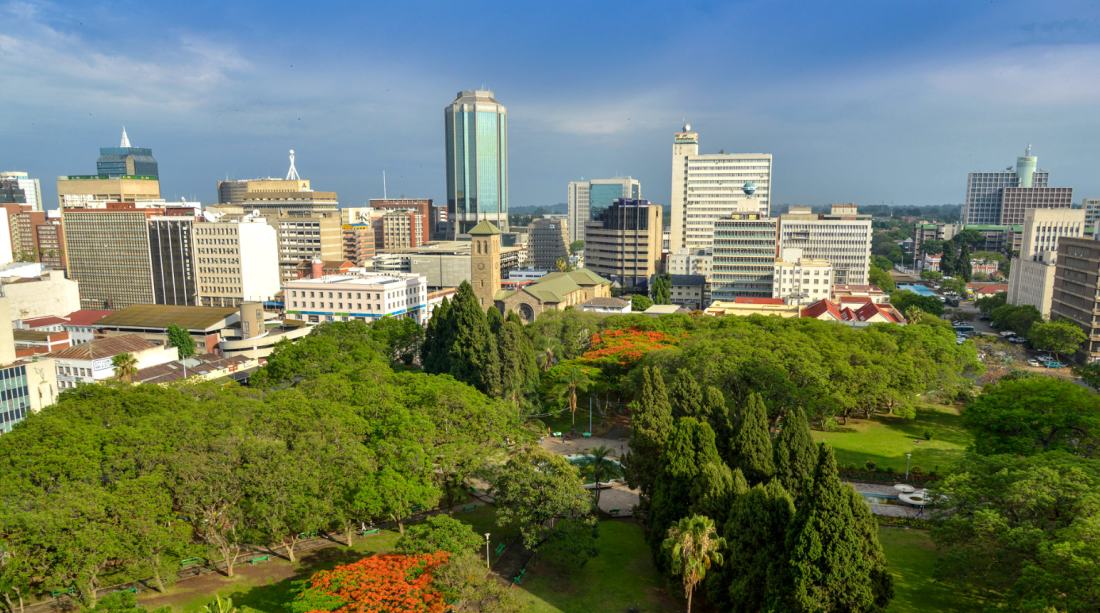
In Harare, most people walking up and down the busy Robert Mugabe Road (formerly Manica Road) will be vaguely aware of several weathered buildings that mimic old European architecture.
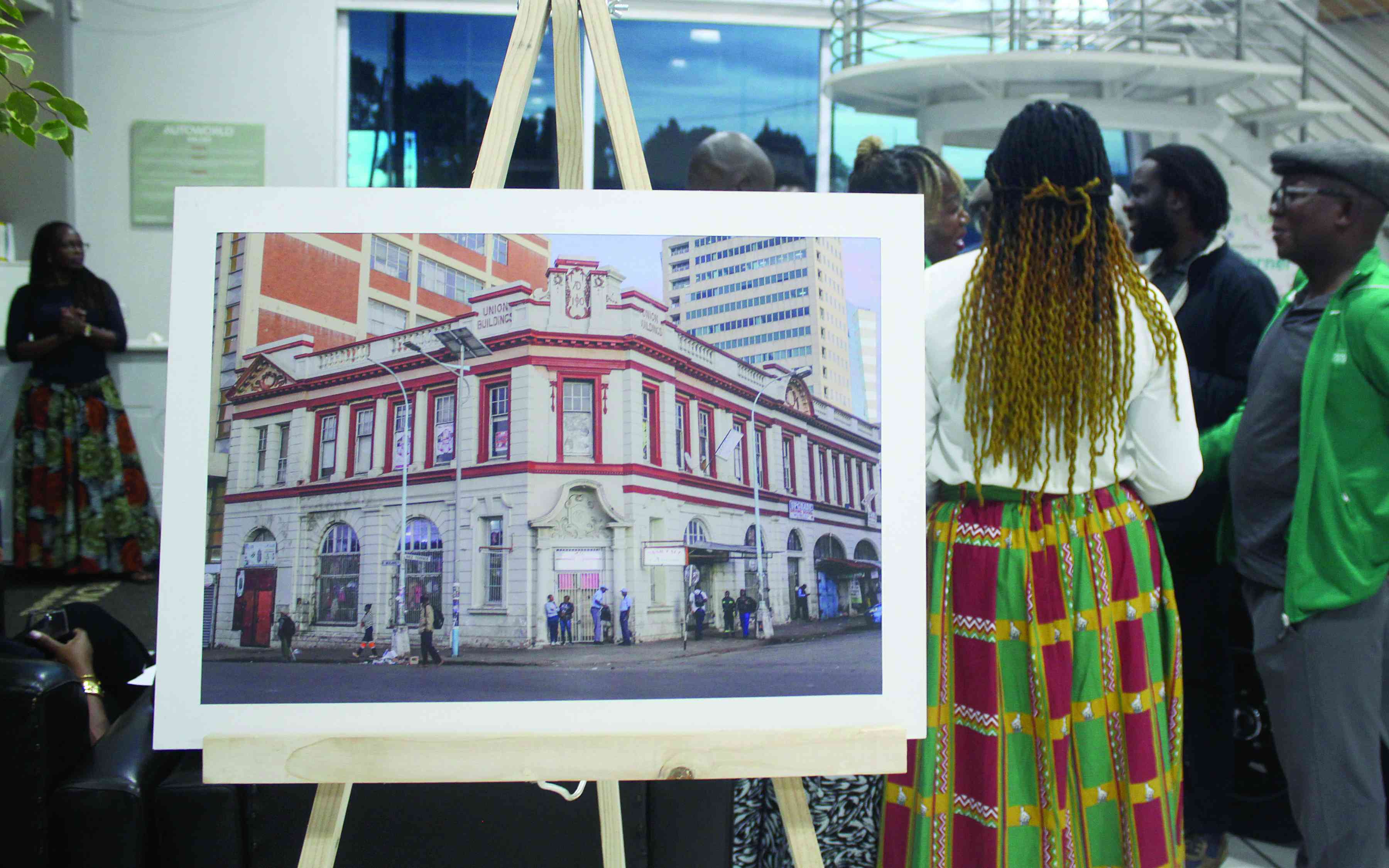
Recently, however, photographer Darius Matamba, partnering with former college mate Rodney Badza in the role of curator, hosted a photography exhibition to highlight the historical value of such buildings.
“These old structures hold decades of our history but they are just disappearing quietly. No documentation, no conversation… I thought someone needed to tell these stories in our own voices and our own terms…” says Matamba.
“As these buildings succumb to the passage of time and the weight of neglect, we face a “cultural amnesia” that threatens to erase the very foundations of our national identity,” writes Badza.
According to the organisers, the exhibition which was shown at the Autoworld showroom in Chisipite under the title ‘Silent Walls – Uncovering The Silent Witnesses Of History.’ was the first of several to be held countrywide.
It was the culmination of a project commissioned by the Shepherds Foundation Trust with the goal of publishing a book and establishing a defining and comprehensive archive.
Jonathan Waters, historian and author of ‘Harare: Urban Evolution’ (2015) was guest of honour at the opening of the show.
Twenty photographs were showcased at the venue which was once a fabric library. Twelve of them featured buildings from Harare whilst the rest were from Bulawayo.
The oldest building in the exhibition was Bulawayo’s Haddon and Sly (1894). From Harare the oldest building featured in the show was The Residence (1895) which holds the record for being the first double story brick house in the old country.
Other old buildings on display include the charming Cecil House (1901) from the capital city, and the impressive Bulawayo Club (1934). Feredays & Sons (1910), along Robert Mugabe Road sounds like no place for Africans with its permanent ‘Guns and ammunition' signage from the Rhodesian era.
Fourteen photographs in the room represented a time when the country was administered by the British South Africa Company, before it was named Southern Rhodesia in 1923.
In a way colonial buildings in Zimbabwe are haunted by the psychological architecture of the time. For some white folks the buildings trigger a nostalgia for the past, and talk of how “Robert Mugabe ruined the country”.
One could imagine white colonial ladies holding their parasols and gesturing at each other from across Manica Road.
But if the walls could talk they would also tell stories of exclusion, abuse, and violence against indigenous people. At certain times in history Africans were not allowed in these spaces without reason and permission. When some of the buildings were initially utilised black people were only allowed access through the back door.
The old buildings with their elaborately styled facades are better appreciated from across the road. Constructed as part of colonial towns, they are now part of the central business district in Harare, Bulawayo, and other cities.
The most important are protected under the National Museums and Monuments Act. That some of the buildings are still standing is due to the crippled pace of real-estate development in the economically beleaguered country.
A modern looking Atlas House towering between Arnold Building, and Union Buildings (both constructed in 1910) is testimony to the trajectory of time and progress.
Born after the country achieved independence from British settler colonial rule, Matamba and Badza would have no memory attached to the buildings. It allows for a natural curiosity which inspires their quest to re-discover stories that have not been fully accounted for.
It also gives them an advantage because they are able to objectively assess the subject without having a chip over the shoulder. Older generations may succumb to the emotional paradox coming from a perception of colonial buildings as symbols of oppression and dispossession.
To them the buildings are not just proof of craftsmanship and European aesthetics, but evidence perpetually existing at a crime scene.
Before the arrival of British colonialists Harare was inhabited by the Neharawa under chief Haarare, and Bulawayo was home to the Ndebele under King Lobengula.
Matamba's project yields a space for Zimbabwe's post-colonial generations (which are shaping the country's future) to interrogate colonial conquest.
It could free his generation to become themselves, without being unconsciously shaped by a system that traumatised generations before them.