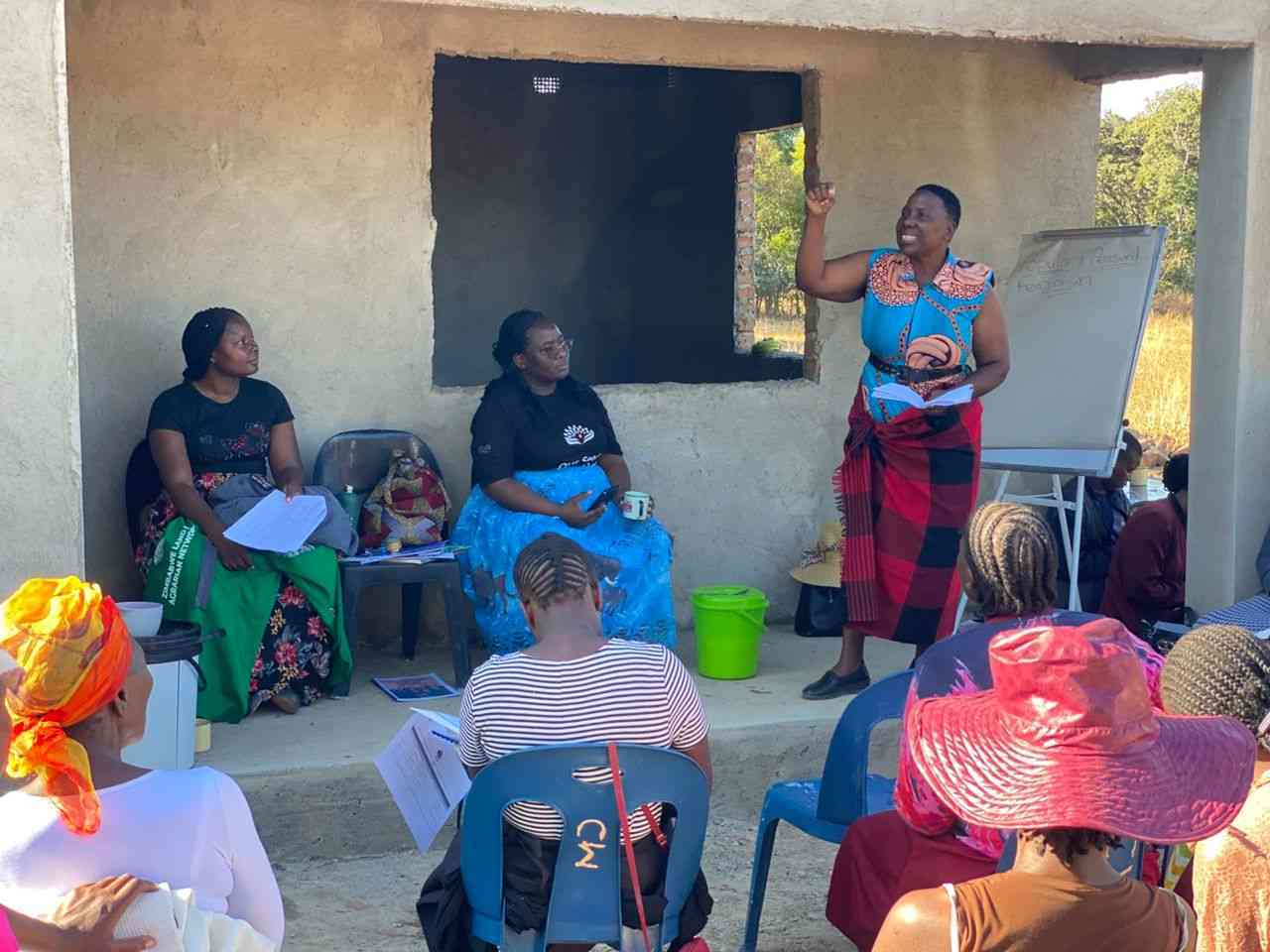
In my recent interactions with a group of young girls in the community, I observed something that deeply challenged my thinking as a development practitioner.
What stood out to me was the difference between urban girls and rural girls. While interacting with both groups, I noticed that urban girls are gradually improving in terms of awareness, confidence, and access to opportunities. However, in rural communities, many girls are still deeply influenced by patriarchal thinking systems, where traditional beliefs continue to shape their life choices, expectations, and future possibilities.
This contrast made me reflect deeply on whether we are truly doing enough to ensure equal empowerment for every girl child, regardless of geography or background.
The reality of early child marriage
Early child marriage remains one of the most persistent challenges affecting girls, particularly in rural communities. Many girls are married off at a young age due to cultural expectations, poverty, or family decisions.
Once married, their education journey is immediately interrupted or completely ended. These girls are forced into adult responsibilities while they are still emotionally and physically developing.
In my observation, early marriage is not just a cultural issue, it is a development barrier that limits human capital growth in communities.
Education inequality: Urban progress vs rural struggles
- Identity documents mobile registration kicks off in Byo
- French Embassy supports Hatcliffe reusable sanitary pads project
- French Embassy supports Hatcliffe reusable sanitary pads project
- Empowerment lobby group optimistic about new year
Keep Reading
Urban areas are gradually benefiting from awareness campaigns, improved school access, and digital exposure. Girls in cities are beginning to understand their rights, opportunities, and potential.
However, rural girls are still lagging behind due to:
-Long distances to schools
-Poverty and lack of resources
-Cultural pressure to prioritise marriage over education
-Limited exposure to empowerment programmes
This inequality creates a two-speed development system, where location determines opportunity.
Patriarchy in rural communities
Patriarchy remains deeply rooted in rural Zimbabwe. In many communities, the girl child is still seen as someone who should prepare for marriage rather than education or leadership.
Girls are often taught:
-To be obedient rather than ambitious
-To prioritise household roles over education
-To accept decisions made for them
This mindset continues to limit the potential of many young girls.
Vulnerability in mining (makorokoza) communities
Mining areas present another serious challenge. In informal makorokoza settlements, social and economic instability exposes girls to high levels of vulnerability.
Many girls in these environments experience:
-Early sexual relationships
-Transactional survival relationships
-Teenage pregnancy
-Sexually transmitted infections
-Early marriage driven by economic hardship
In some cases, families see early marriage as a survival strategy, which unfortunately perpetuates cycles of poverty and inequality.
Teenage pregnancy, STIs, and health risks
Early sexual activity, especially in vulnerable communities, exposes girls to significant health risks. Teenage pregnancy often leads to school dropout, while STIs create long-term health complications.
Many young girls are forced into motherhood before they have access to adequate knowledge, emotional maturity, or economic independence.
This creates a cycle that is difficult to break without structured intervention.
Emotional well-being and mental health
One of the most overlooked issues is the emotional and psychological impact on the girl child. Many girls silently struggle with:
-Depression
-Anxiety
-Trauma from abuse or pressure
-Lack of emotional support systems
As development practitioners, we must recognise that empowerment is not only physical or educational, it is also emotional and psychological well-being.
Menstrual health and school absenteeism
Menstrual hygiene challenges continue to affect school attendance among girls in rural areas. Lack of sanitary products and proper facilities leads to absenteeism and embarrassment.
This issue, though often silent, has a direct impact on education outcomes and self-esteem.
No girl should be denied education because of menstruation.
Poverty and structural inequality
Poverty remains a major driver of inequality. In many families, boys are prioritised when resources are limited, leaving girls behind.
Girls are sometimes required to:
-Care for siblings
-Work at home
-Contribute to household survival
This limits their ability to focus on education and personal development.
Solutions: What must be done?
- Role of Policymakers
-Strengthen and enforce laws against child marriage
-Invest in rural education infrastructure
-Provide menstrual hygiene support programmes
Expand rural scholarship schemes for girls
- Role of Schools
-Introduce life skills and reproductive health education
-Strengthen guidance and counseling services
-Create safe reporting systems for abuse
-Promote girl leadership programmes
- Role of Development Practitioners & NGOs
Implement community-based empowerment programmes
-Conduct awareness campaigns in rural and mining areas
-Provide mentorship and safe spaces for girls
-Support school retention programmes
- Role of Families and Communities
-Change cultural perceptions of the girl child
-Support education equally for boys and girls
-Reject early marriage practices
-Encourage open dialogue with children
- Economic Empowerment
-Support vulnerable families with livelihood programmes
-Reduce poverty-driven child marriage
-Strengthen community income-generating projects
In conclusion, empowering the girl child is not a one-dimensional effort. It requires collective action, behavioral change, and sustained investment.
Urban girls are beginning to progress, but rural girls, especially those in patriarchal and mining communities, remain highly vulnerable and often left behind.
As a development practitioner, I strongly believe that true development cannot be achieved while the girl child is still facing structural inequality, cultural limitations, and social vulnerability.
If we are serious about sustainable development, then we must ensure that no girl child is left behind because of where she was born or the system she grows up in.
The question remains:
Are we doing enough?
Until every girl child has equal access to education, safety, dignity, and opportunity, our work is not yet complete.
*Mitchel Zvingowaniseyi is a development practitioner as ell as advocate for youth and girl child empowerment