THE conversation about environmental protection in Zimbabwe is often framed as something separate from economic development, yet nothing could be further from the truth. In reality, investing in the environment is investing directly in humanity in our health, our food security, our water, our cultural heritage, and the future prospects of generations to come.
Environmental sustainability is not a luxury for wealthy nations; it is a survival imperative for Zimbabwe.
With climate change intensifying droughts, cyclones, soil degradation, and biodiversity loss, Zimbabwe stands at a critical crossroads where the choices made today will determine the resilience of the nation tomorrow.
Zimbabwe’s economy and human development are inseparably tied to natural systems.
Agriculture employs a large share of the population and feeds the nation.
Yet, inconsistent rainfall, rising temperatures, and land degradation increasingly undermine productivity.
When soils degrade and rivers dry up, it is not the environment that suffers in isolation it is mothers walking longer distances for water, communities losing crops, and children facing hunger and reduced nutritional quality.
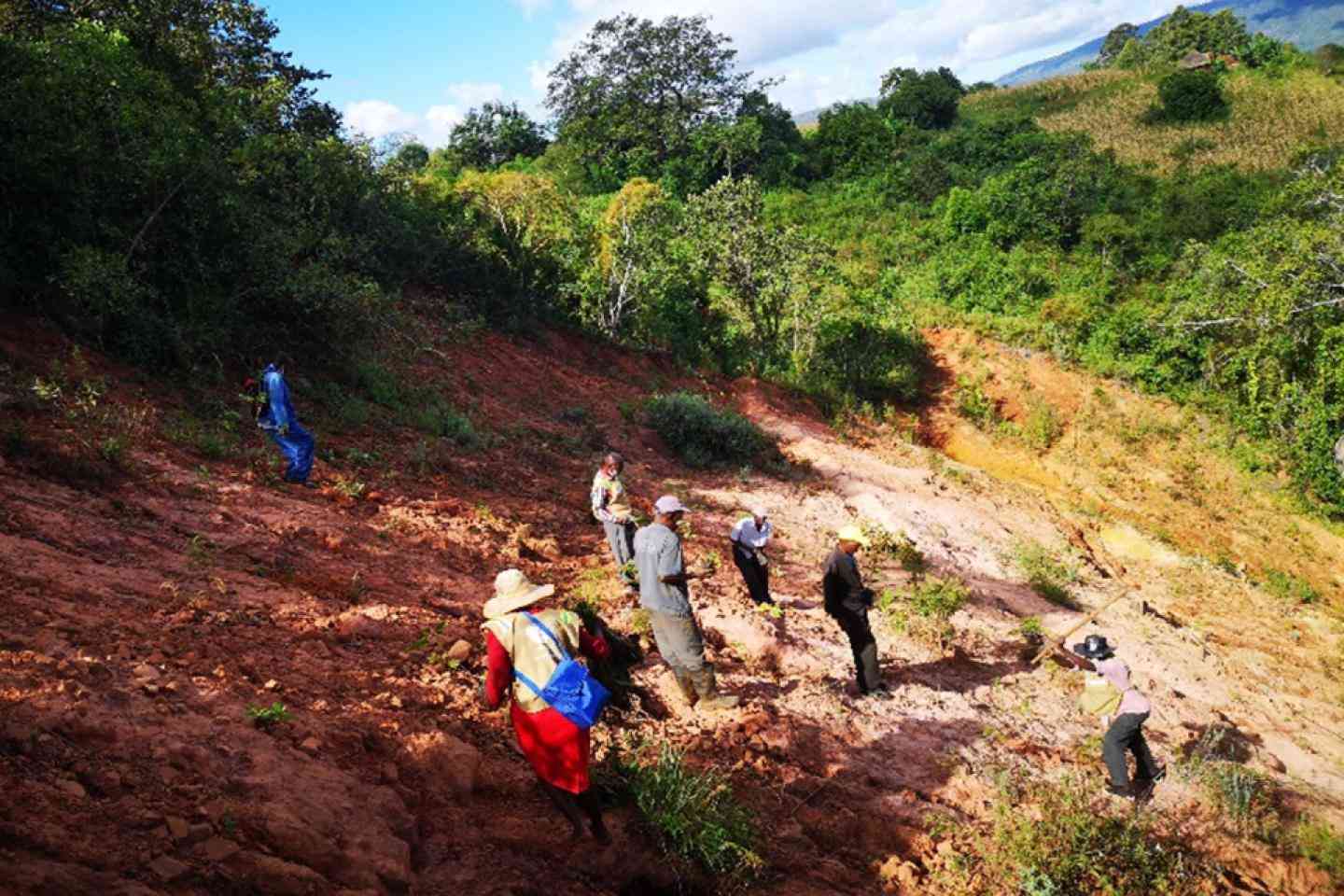
Environmental investments such as watershed restoration, soil conservation, agroecology, and reforestation directly safeguard human well-being.
- Mavhunga puts DeMbare into Chibuku quarterfinals
- Bulls to charge into Zimbabwe gold stocks
- Ndiraya concerned as goals dry up
- Letters: How solar power is transforming African farms
Keep Reading
They ensure that rivers continue to flow, soils remain fertile, and ecosystems continue providing essential services that no amount of money can artificially replicate.
Ultimately, protecting the environment is about protecting people’s ability to live dignified, healthy, and economically secure lives.
Zimbabwe is already experiencing the compounded impacts of climate change.
Erratic rainfall, heatwaves, and prolonged droughts have become more frequent and severe.
These environmental shifts multiply existing social and economic vulnerabilities.
For instance, when harvests fail due to drought, families are forced to reduce meals, sell livestock, or withdraw children from school especially girls.
Health systems carry a heavier burden as malnutrition and waterborne diseases rise.
Investing in climate adaptation strategies such as climate-smart agriculture, water harvesting technologies, and resilient infrastructure is therefore an investment in human survival.
The environment shapes the very conditions under which people live, work, and thrive.
Neglecting it creates a domino effect of crises that deepen poverty and widen inequality.
Zimbabwe is home to some of Africa’s richest biodiversity, from Hwange National Park to the Eastern Highlands.
These ecosystems are more than tourist attractions; they function as vital life-support systems.
Forests regulate rainfall and store carbon; wetlands filter water; grasslands support livestock grazing; and wildlife generates revenue through tourism and conservation programs.
When biodiversity is lost, people lose. The disappearance of forest cover accelerates soil erosion and disrupts rainfall patterns.
The degradation of wetlands reduces water availability for entire communities.
Biodiversity loss undermines not only the environment but also jobs, local economies, and heritage.
Investing in biodiversity through community conservancies, anti-poaching initiatives, and sustainable forestry is thus not simply a conservation exercise.
It is an investment in rural livelihoods, national revenue, and intergenerational equity.
Zimbabwe’s food security challenges are deeply intertwined with environmental decline.
Declining soil fertility, deforestation, and loss of seed diversity have reduced agricultural resilience.
Many smallholder farmers, who form the backbone of national food production, depend entirely on rainfall and are therefore highly vulnerable.
Environmental investments can transform this vulnerability into strength
Agroecology and organic farming rebuild soil fertility and increase yields without overreliance on expensive chemicals.
Irrigation rehabilitation and water harvesting provide reliable production even during dry spells.
Indigenous seed preservation increases resilience to climate variability.
Reforestation and afforestation stabilise local microclimates and reduce erosion.
Investing in environmental stewardship is therefore equivalent to investing in food sovereignty.
It ensures that Zimbabweans have access to nutritious, affordable food produced sustainably within the country.
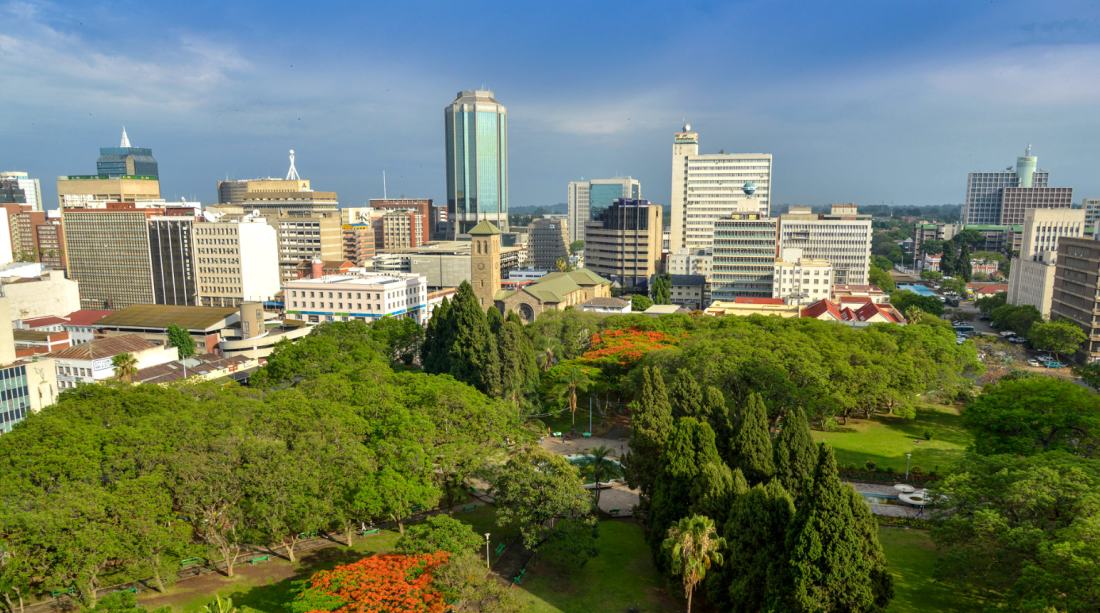
While rural landscapes often dominate environmental discourse, urban environments are equally critical.
Zimbabwe’s cities face mounting waste management problems, air pollution from industry and transport, and declining green spaces.
Urban residents suffer respiratory illnesses, heat stress, and flooding exacerbated by poor drainage and land misuse.
Sustainable urban planning expanding green parks, improving waste management systems, enforcing environmental regulations, and promoting clean energy directly enhances public health and quality of life.
Cleaner, greener cities offer safer spaces for children, improve mental well-being, and reduce healthcare costs.
Environmental investment in urban areas is therefore an investment in the nation’s human capital.
Contrary to the belief that environmental protection slows economic growth, investing in nature can stimulate robust, inclusive development.
Nature-based solutions such as ecosystem restoration, renewable energy, sustainable tourism, and climate-smart agriculture create jobs while improving environmental quality.
Solar energy can diversify the energy mix, reduce power cuts, and lower household costs.
Eco-tourism can generate revenue while empowering local communities.
Forest restoration projects create employment for youth and women.
Green entrepreneurship can unlock innovation in recycling, sustainable packaging, and climate technology.
In a world shifting toward green economies, Zimbabwe risks being left behind unless it positions itself as a leader in sustainable development.
Ultimately, environmental investments are about justice ensuring that future generations inherit a liveable planet, fertile lands, clean water, and a stable climate.
Zimbabwe’s youth stand to inherit the consequences of today’s actions or inaction.
Protecting the environment is therefore a moral responsibility, a commitment to safeguarding the wellbeing of those who will inhabit the country long after we are gone.
The idea that investing in the environment is investing in humanity is not philosophical it is practical and urgent.
Zimbabwe’s path to prosperity lies not in exploiting nature beyond its limits, but in nurturing it.
By restoring ecosystems, promoting sustainable agriculture, protecting biodiversity, and strengthening climate resilience, the country secures the foundation upon which economic growth, social stability, and human dignity depend.
- *Gary Gerald Mtombeni is a journalist based in Harare. He writes here in his personal capacity. For feedback Email [email protected]/ call — +263778861608