There comes a point in the development of every nation when it must take a hard look at its infrastructure and ask a simple but fundamental question: Are we building enough capacity today to support the economy we want tomorrow?
In Zimbabwe, this question has become particularly important in the energy sector. We speak about industrialisation, economic growth, mining, agriculture, manufacturing, digital transformation, technology, investment and value addition, but behind every one of these ambitions lies a fundamental requirement that cannot be ignored: reliable, affordable and sustainable electricity.
As an electrical engineer, high-voltage specialist, energy entrepreneur and someone who has spent many years working with power systems and energy infrastructure, I have come to appreciate that the energy question is never simply about energy. It is an economic question, an industrial question, a social question and ultimately a national development question.
The availability of reliable electricity determines whether factories can operate at full capacity, whether mines can expand production, whether farmers can modernise irrigation, whether hospitals can provide dependable services and whether investors can make long-term commitments with confidence.
This is why Zimbabwe must begin looking at its energy future through a wider lens. Our national energy strategy cannot be built entirely around a few large generation projects or a small number of major institutions. We need a diversified ecosystem where Government, large corporations, international investors, financial institutions, universities, communities and, importantly, Small and Medium-sized Enterprises all play meaningful roles.
I firmly believe Zimbabwean SMEs have the potential to collectively contribute up to 3GW of additional generation capacity if they are provided with the right environment to operate. This does not mean one SME will suddenly build a 3GW power station. Rather, it is a vision of what can happen when we aggregate the capabilities of hundreds of engineering firms, renewable energy developers, technology companies, project developers, equipment suppliers, construction businesses and innovative entrepreneurs across the country.
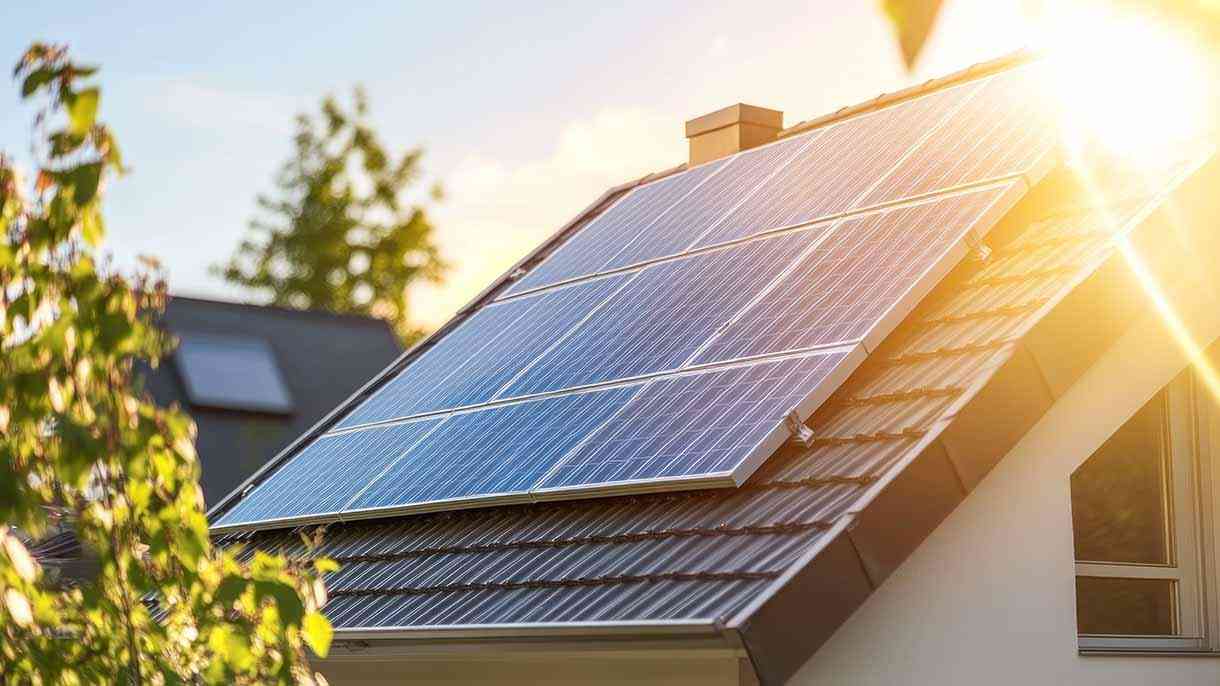
One company may develop a five-megawatt solar project. Another may develop ten megawatts. A larger local developer may build a 50MW facility. Others may invest in small hydro, biomass, waste-to-energy, battery storage, mini-grids, commercial and industrial solar solutions or hybrid energy systems.
Individually, these projects may appear modest compared with large national power stations. However, when developed systematically and combined across the country over time, their collective contribution can become significant.
- In Full: eighteenth post-cabinet press briefing June 28, 2022
- Letters to the editor: PVOs Bill must be shot down
- EIA frequently asked questions
- Marume’s last minute try gives Goshawks second Currie Cup win
Keep Reading
This is the opportunity Zimbabwe must not overlook.
Our SMEs should not be viewed merely as small businesses requiring support to survive. They must increasingly be recognised as strategic partners in national infrastructure development. Many local companies already possess engineers, technicians, project managers, electricians, renewable energy specialists, construction teams and entrepreneurs who understand the country’s energy challenges because they experience them every day.
They understand the local operating environment. They employ Zimbabweans, develop skills, pay taxes and create economic activity.
The question, therefore, is not whether Zimbabwe has the human capacity to participate in energy development. The question is whether we have created an environment that allows that capacity to be fully utilised.
This is where government support becomes critical.
Supporting SMEs in the energy sector does not mean Government must build every project or finance every business. The private sector must remain a major driver of investment, innovation and project delivery. However, Government has a responsibility to create a policy and regulatory environment where private investment can flourish.
An entrepreneur may have a technically sound renewable energy project, a strong engineering team and a clear understanding of the market, but if licensing processes are unnecessarily complicated, financing is unavailable, grid connection is uncertain or there is no bankable mechanism for selling electricity, the project may never reach construction.
This is where Zimbabwe must change its approach.
We need an energy environment where capable SMEs can move from an idea to a bankable project, from a bankable project to financial close, and from financial close to construction and operation.
This requires predictable policies, efficient licensing, transparent procurement processes, appropriate financing mechanisms, clear grid connection procedures and commercially viable arrangements for selling electricity.
Government does not have to replace private capital. It needs to unlock it.
There is significant capital in Zimbabwe and across the region that can potentially be directed towards energy infrastructure if the right structures are created. Development finance institutions can support project preparation and long-term lending. Commercial banks can participate where projects are properly structured. Pension funds and insurance companies can increasingly become long-term infrastructure investors.
International investors can bring capital and specialised technology, while local SMEs bring engineering capability, local knowledge, implementation capacity and an understanding of Zimbabwe’s operating environment.
The real opportunity lies in bringing these strengths together.
One of the biggest challenges facing energy SMEs is the financing gap. Energy projects are capital intensive and often require significant investment before generating revenue. A project developer may have a viable business model but struggle to secure the long-term financing required to construct the facility.
Commercial banks may be reluctant to lend over extended periods, while investors may consider smaller companies too risky because they do not have the balance sheets of multinational corporations.
Zimbabwe therefore needs innovative approaches to financing energy infrastructure.
The country should explore stronger partnerships between the government, development finance institutions, commercial banks, investors and private energy developers. Credit guarantees, blended finance, project preparation facilities, infrastructure investment vehicles and other mechanisms can help reduce risks that currently prevent viable projects from moving forward.
If a project is technically sound, commercially viable, environmentally responsible and capable of contributing to national energy security, there must be a pathway for that project to access finance.
Zimbabwe cannot afford to lose good energy projects simply because entrepreneurs cannot cross the gap between a good idea and financial close.
The same principle applies to Power Purchase Agreements and other mechanisms through which electricity is sold. Energy projects cannot be financed on hope alone. Investors need confidence that the electricity generated will have a market and that revenue arrangements will support long-term investment.
If SMEs are to contribute meaningfully to Zimbabwe’s generation capacity, qualified developers must be able to enter into bankable agreements with credible off-takers. These arrangements must be transparent, predictable, commercially viable and supported by a regulatory environment that gives investors confidence.
The energy sector requires long-term thinking.
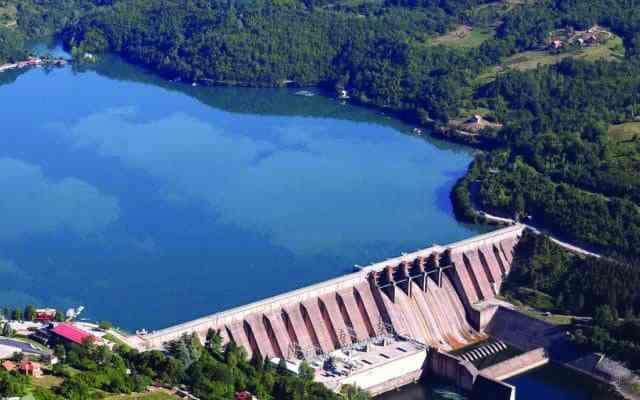
A solar plant may operate for more than 20 years. A transmission line may serve communities for decades. A substation may become the foundation for an entire industrial zone. A hydroelectric facility may contribute to the economy for generations.
This means energy policies cannot be designed only around short-term considerations. We must think in terms of decades.
As engineers, we understand the importance of planning for future demand. A power system must not only meet today’s load requirements but also anticipate tomorrow’s growth.
Population increases, cities expand, industries develop, digital services grow, data centres emerge, electric vehicles become more common, mining operations expand and agricultural systems become increasingly mechanised. Every one of these developments increases electricity demand.
If we plan only for today’s consumption, we will inevitably face tomorrow’s shortages.
This is why the 3GW SME opportunity should form part of a broader national energy strategy.
We should not think of SMEs as isolated businesses developing disconnected projects. We should think of them as part of an integrated national energy ecosystem.
A solar project in one province can contribute to the national power pool. A small hydro project can support a rural community.
A commercial and industrial solar developer can reduce pressure on the national grid during peak periods. Battery storage can provide flexibility and help manage renewable energy variability. Waste-to-energy projects can address both energy and environmental challenges.
Together, these projects can create a more diversified and resilient power system.
However, the future of energy is not simply about generating more electricity. It is about integrating different sources into a stable and reliable electrical network.
Adding generation capacity without considering the wider power system can create new technical challenges. Renewable energy projects must be properly integrated into the grid. Engineers must consider voltage regulation, frequency stability, fault levels, protection coordination, power quality, reverse power flows, transmission constraints and overall grid stability.
This is why renewable energy is not simply about installing solar panels.
It is about engineering.
It is about system design.
It is about protection, control, reliability and long-term performance.
A solar plant that is poorly designed, poorly integrated or poorly maintained will not deliver the value expected from it. Renewable energy projects must therefore be approached with the same technical discipline expected from any major power infrastructure.
Zimbabwe has the engineering talent to do this.
We have electrical engineers who understand power systems, technicians who understand installation and maintenance, artisans who can construct and commission infrastructure, young graduates eager to learn and entrepreneurs willing to take risks.
What we need is an environment that allows these people to participate at scale.
The energy sector can become one of the greatest platforms for industrialisation in Zimbabwe.
When we build energy infrastructure, we create opportunities beyond electricity generation. We create demand for engineering services, construction, transportation, manufacturing, telecommunications, software development, financial services and professional consultancy.
Every new solar project creates opportunities for electrical engineers, civil engineers, structural engineers, surveyors, project managers, procurement specialists, technicians, electricians, transporters and other professionals.
This means every megawatt can potentially generate economic activity throughout an entire value chain.
The development of the energy sector must therefore be deliberately linked to local industrial growth.
Zimbabwe should examine how much of the equipment required for energy projects can be manufactured or assembled locally. Opportunities exist in areas such as mounting structures, electrical panels, distribution boards, cable management systems, battery enclosures, control equipment and other balance-of-system components.
The country will continue importing specialised technologies where local manufacturing is not yet commercially viable. However, wherever Zimbabwe has the capability to manufacture locally, that opportunity should be encouraged.