The current tensions unfolding in the Persian Gulf are not merely Geo-political developments to be observed from a distance. They are, in essence, a system disturbance within the global energy network, and like any disturbance in a complex system, their effects propagate far beyond their point of origin.
For Africa, this moment must be interpreted correctly. It is not just a crisis happening elsewhere. It is a signal, a warning, and more importantly, an opportunity.
In Electrical Engineering, when a disturbance occurs in a critical node of a network, it forces engineers to reassess system design, identify vulnerabilities, and reinforce the entire architecture. Failure to do so results in cascading failures, system collapse, and prolonged instability.
The Persian crisis is that disturbance.
The question is: Will Africa respond as engineers, or react as spectators?
The global energy system: An interconnected grid under stress
The modern global energy system operates much like a synchronised power grid, where different regions act as generation hubs, transmission corridors, and load centres.
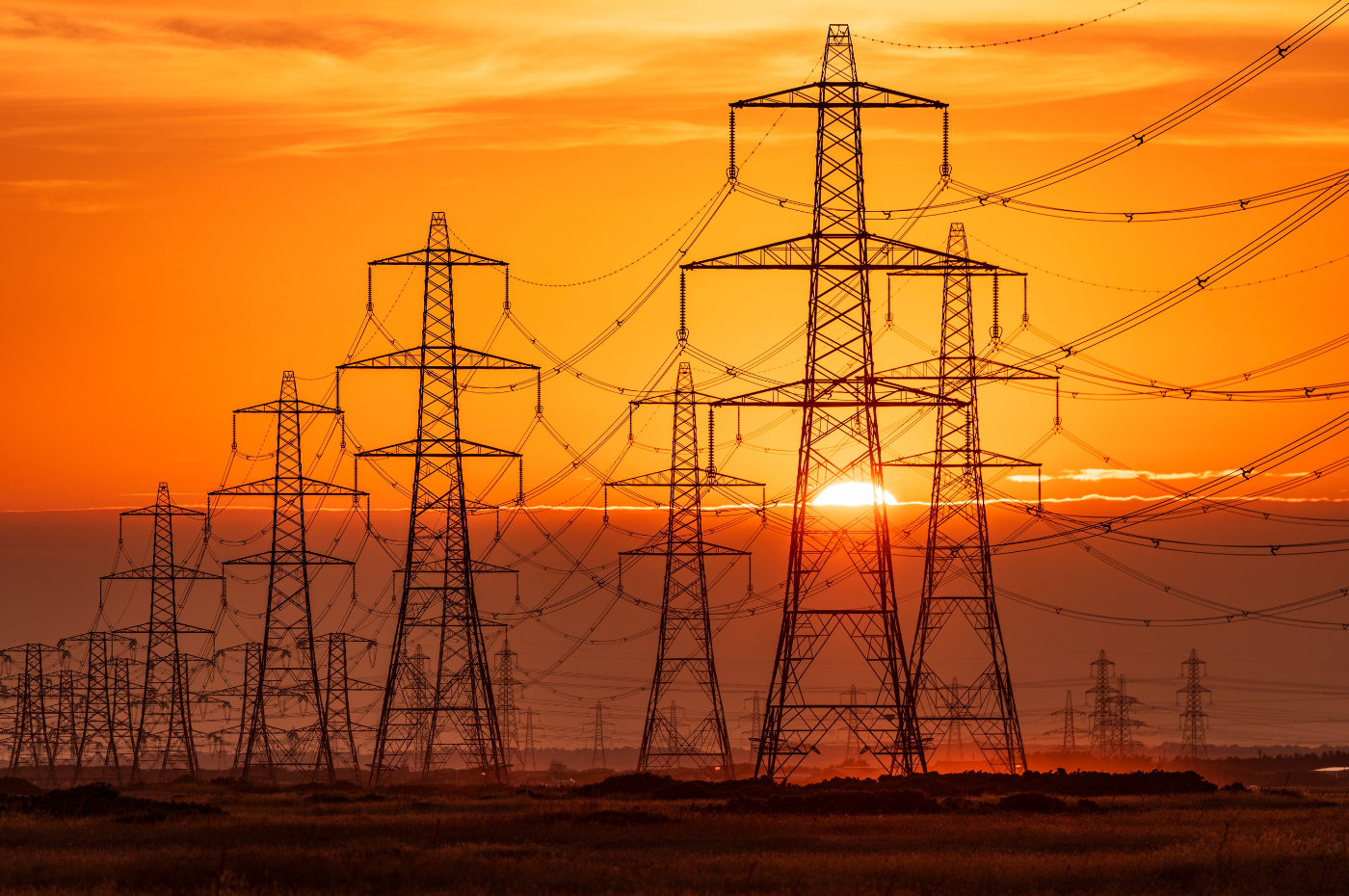
The Persian Gulf functions as one of the most critical energy transmission corridors in this global system. A significant percentage of the world’s oil and gas flows through this region, making it a high-voltage node in the global energy network.
- Open letter to President Mnangagwa
- Feature: ‘It’s worse right now than under Mugabe’: Sikhala pays the price of opposition in solitary cell
- Masvingo turns down fire tender deal
- Human-wildlife conflict drive African wild dogs to extinction
Keep Reading
When instability occurs in such a node, the consequences are immediate:
-Supply chains are disrupted
-Energy prices fluctuate unpredictably
-Investment confidence weakens
-Dependent economies experience stress
In engineering terms, this is equivalent to a fault condition in a heavily loaded transmission line, the entire system begins to oscillate.
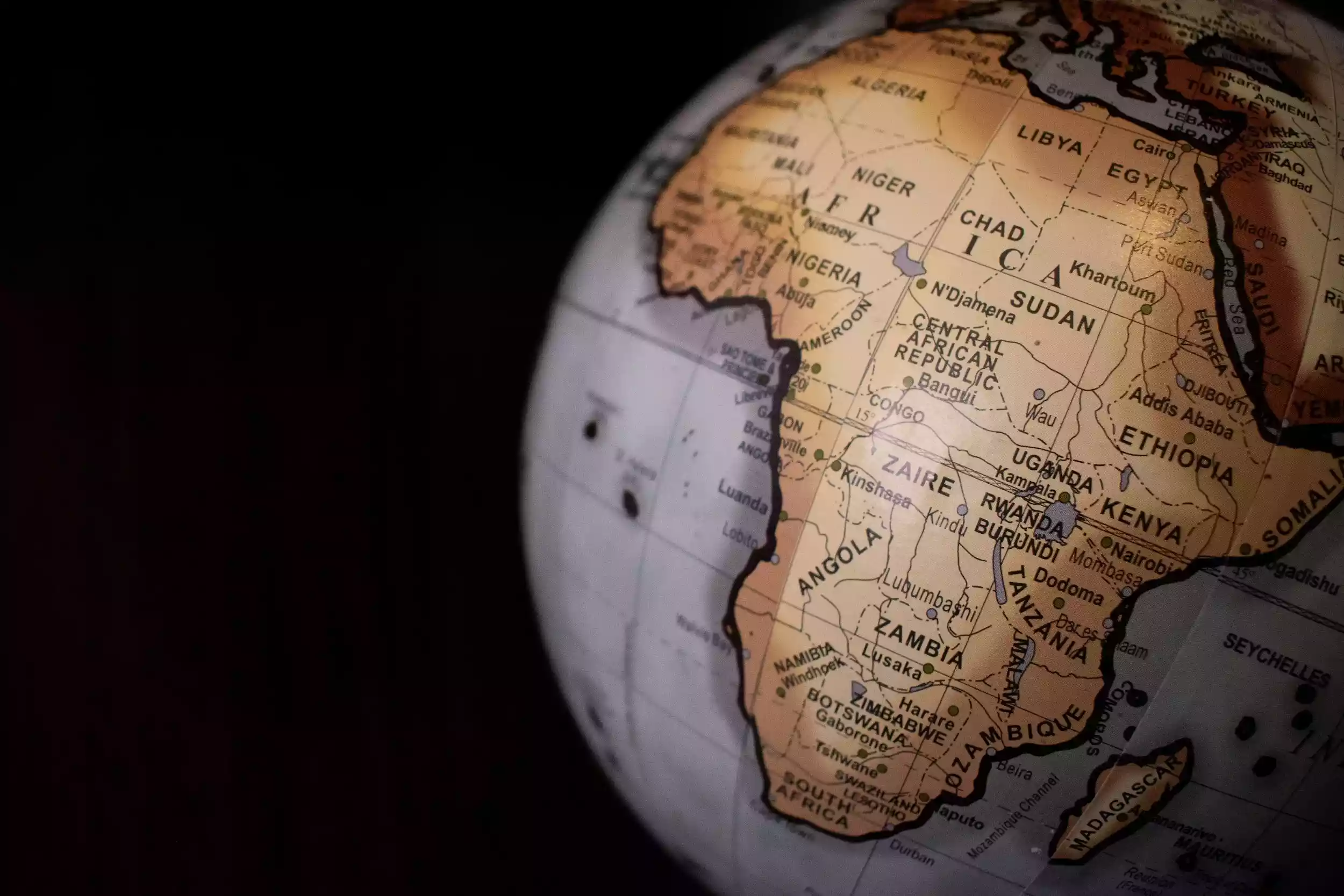
Africa, unfortunately, is positioned in this system as a dependent load centre rather than a dominant generation hub.
This must change.
Africa’s structural weakness: External dependence
Despite being richly endowed with natural resources, Africa remains significantly dependent on:
-Imported refined petroleum products
-External energy technologies
-Foreign engineering expertise
-Fragmented and underdeveloped grid systems
This dependency introduces systemic risk.
In power systems, over-reliance on external supply without adequate local generation creates instability under stress conditions. When external supply is interrupted, the system cannot self-correct.
The Persian Crisis highlights this vulnerability with clarity.
It demonstrates that Africa’s energy security is still externally influenced, rather than internally controlled.
Rethinking energy through an engineering lens
Africa must begin to approach energy not just as a policy issue, but as a systems engineering challenge.
Every stable power system is built on three core principles:
- Redudancy — multiple sources of supply
- Resilience — ability to withstand disturbances
- Reliability, consistent and predictable performance
When applied to Africa’s energy landscape, these principles translate into:
-Diversified energy generation
-Decentralised infrastructure
-Strong transmission and distribution networks
-Local technical capacity
Without these elements, the system remains vulnerable.
Decentralised energy systems: Designing for resilience
One of the most critical shifts Africa must embrace is the transition toward decentralised energy systems.
Decentralisation is not an abandonment of the grid, it is its evolution into a more intelligent, flexible, and resilient architecture.
In modern power engineering, decentralisation involves:
-Distributed generation units
-Microgrids
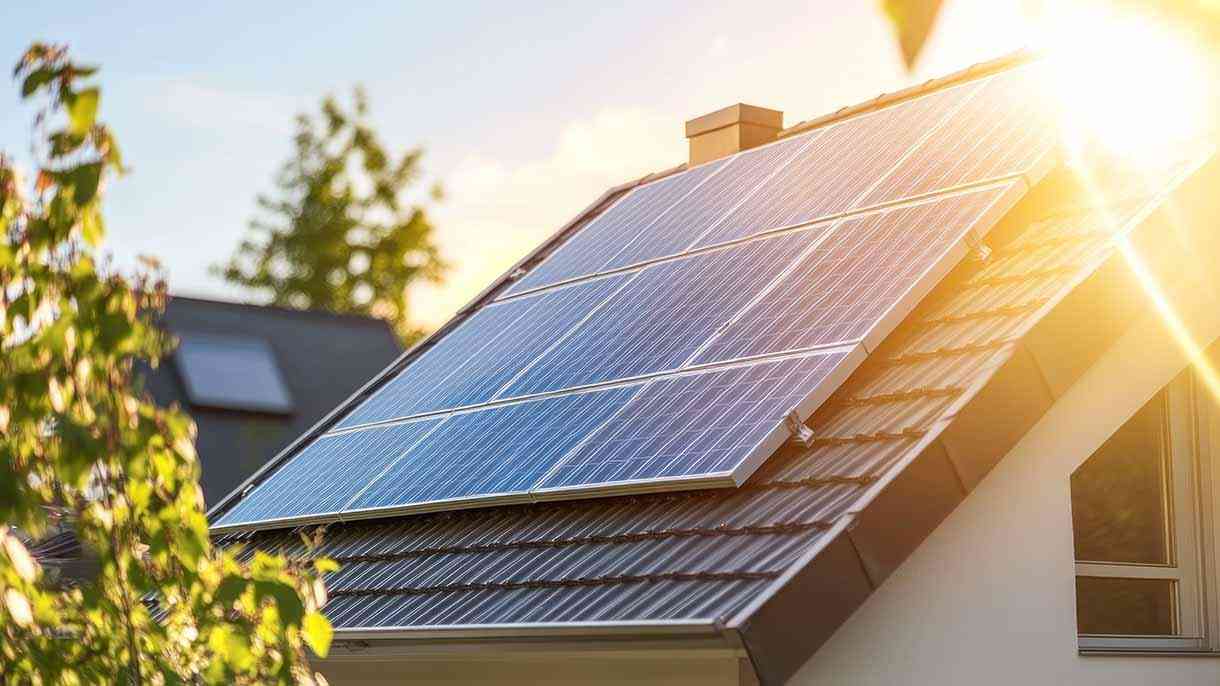
-Embedded renewable energy systems
-Battery energy storage integration
These systems transform the traditional model of power flow.
Instead of electricity moving in one direction, from large central plants to distant consumers, power becomes bi-directional, dynamic, and adaptive.
From a technical perspective, decentralisation delivers multiple advantages:
-Reduced transmission losses due to proximity to load centres
-Improved voltage profiles across distribution networks
-Enhanced fault isolation and system protection
-Increased system redundancy
-Greater flexibility in load management
In practical terms, this means that communities, industries, and institutions can maintain power even when central systems are under stress.
This is how resilience is engineered.
Energy sovereignty: From Concept to Implementation
Energy sovereignty must move from being a theoretical aspiration to a practical engineering objective.
A sovereign energy system is one that:
Generates sufficient power locally
-Controls its infrastructure
-Maintains its systems internally
-Adapts independently to external shocks
To achieve this, Africa must invest in:
- Local generation capacity
Countries must expand both utility-scale and distributed generation, leveraging renewable and conventional energy sources.
- Grid strengthening
Transmission and distribution networks must be modernised to handle increased loads, renewable integration, and cross-border flows.
- Energy storage
Battery systems must be deployed to stabilise intermittent renewable energy and maintain frequency control.
- Smart grid technologies
Digitalisation through SCADA systems, advanced metering, and real-time monitoring is essential for efficient grid management.
- Technical skills developmet
Engineers, technicians, and system operators must be trained to manage increasingly complex energy systems.
Diversificaation: Engineering stability into the system
A fundamental principle in engineering is that diversity enhances stability.
Africa must therefore adopt a diversified energy mix that includes:
-Solary energy for daytime peak generation
-Wind energy for complementary generation cycles
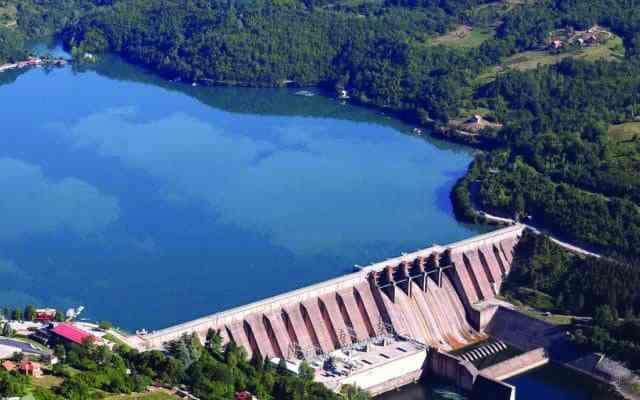
-Hydropower for stable baseload support
-Gas for transitional energy security
-Nuclear energy for long-term baseload reliability
Each of these sources contributes differently to system stability.
When integrated correctly, they create a balanced energy ecosystem capable of maintaining frequency, voltage, and load equilibrium.
Regional intergration: Synchronising the continent
Africa’s future energy system must not be fragmented.
It must be interconnected and synchronised.
Regional power pools such as the Southern African Power Pool (SAPP) represent the foundation of this vision.
Interconnection allows:
-Sharing of generation resources
-Reduction of reserve margins
-Improved system stability
-Lower cost of electricity production
In engineering terms, a larger interconnected grid benefits from load diversity and generation diversity, both of which enhance system performance.
Industrialisation: Closing the loop
Africa cannot achieve energy sovereignty without industrialisation.
We must move beyond exporting raw materials and begin producing:
-Electrical equipment
-Renewable energy technologies
-Transmission components
-Energy storage systems
This is how value is retained within the continent.
This is how technological capability is built.
Human capital: The core of the system
No system operates without skilled operators.
Africa’s greatest asset is not its minerals or resources, it is its people.
We must invest in:
-Engineering education
-Technical training
-Research and innovation
-Knowledge transfer and Skills intergration.
A well-trained engineer can design systems that power millions.
A well-trained technician can maintain systems that sustain economies.
Human capital is the true engine of energy transformation.
A defining moment for Africa
The Persian Crisis is not just an event.It is a diagnostic test of the global energy system, and Africa’s position within it.
It reveals:
-Where we are vulnerable
-Where we are dependent
-Where we must improve,but more importantly, it shows us what must be done.
Conclusion: Engineering the future, not waiting for it!
Africa must not wait for stability to come from external systems.
It must engineer its own stability and this requires.
-Strategic thinking
-Technical execution
-Policy alignment
-Investment discipline.
The future of Africa's energy system must be:
-Resilient in design
-Diversified in generation
-Decentralised in structure
-Integrated across borders
-Sovereign in operation.
The time for incremental change has passed, and what is required now is systematic transformation, because in both engineering and nation-building, one truth remains constant:
A system that is not designed for resilience will inevitably fail under pressure.
Africa has the knowledge.
Africa has the resources.
Africa has the people.
What remains is the will to act.
And as I always say: The future is not waiting to be discovered, , it is waiting to be powered.