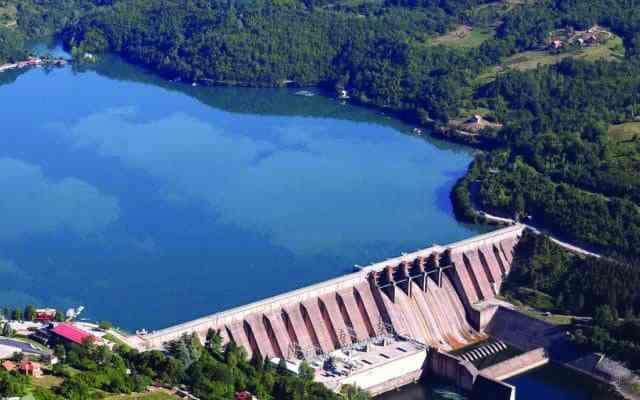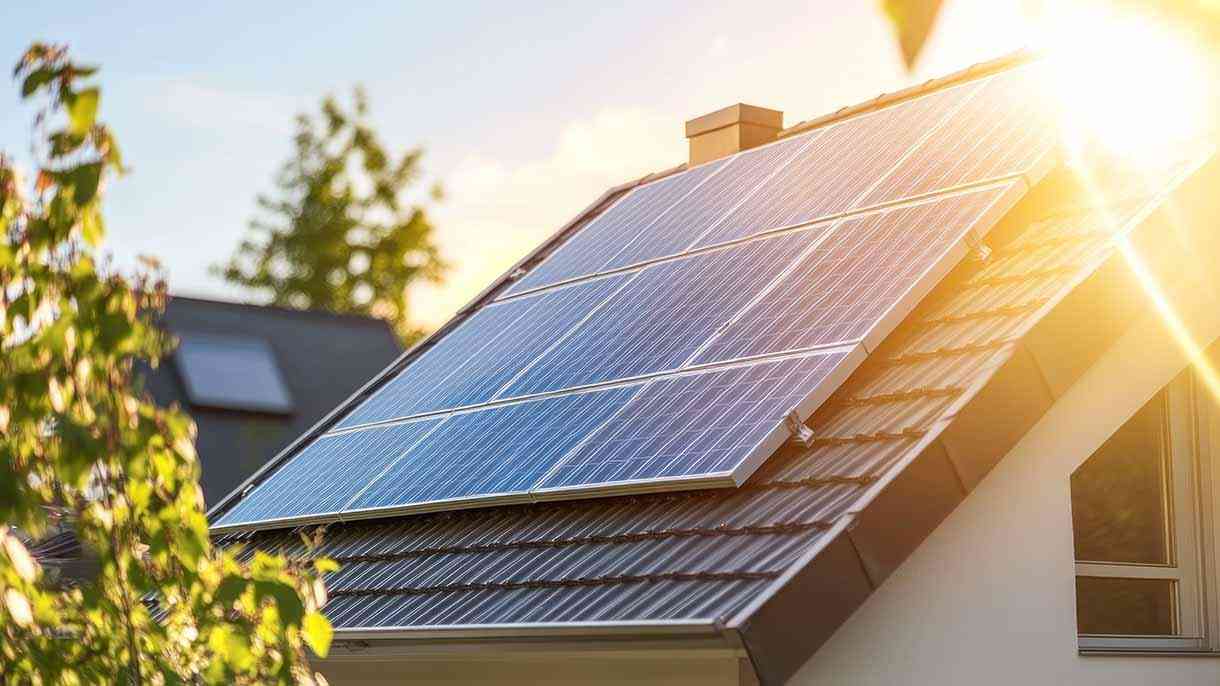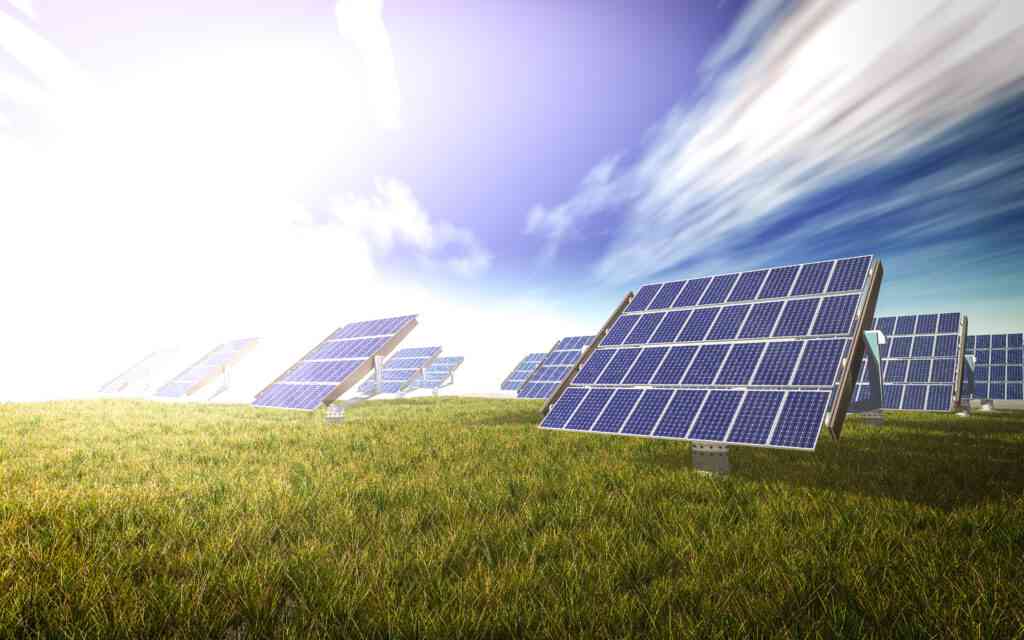
Zimbabwe has to unlock and leverage on its vast renewable energy potential to leapfrog from the current energy poverty to becoming a self sustainable regional electricity exporter. In the face of geopolitical tensions and forced Just transition, the country should focus on its own domestic solutions. A mix of renewables will make Zimbabwe to satisfy its own energy demands without relying on imports.
Through integrating renewable energy options meaningfully into the national grid and expanding the power transmission network Zimbabwe can manage to increase electricity production to turnaround the country's fortunes, a transformation that hinges on improving supply through increased local power generation from diversified sources.
Our thermal power stations have succeeded in keeping the economy afloat in the face of heavy sanctions imposed on the country.
As far as 2002, Zimbabwe struggled to access lines of credit to construct new power generation plants to support its agro-economy, but for us to remove thermal power generation plants under such a critical phase, it would surely be injustice for both industry and domestic consumption.
For purposes of national growth, our thermal power stations should be part of the energy mix, however through modern technologies which are capable of suppressing emissions, the country should be able to keep the plants until we have reached 20GW of clean energy.
Once that threshold has been achieved, our country will now be able to gradually decommission the old thermal and convert them into small modular reactors .
Sector by sector overall energy deman copmarisons
The country should measure its sector by sector growth annually so as to be able to deploy the correct megawatts.As an energy expert, my daily ambition is to make sure I utilise every opportunity to unpack how Zimbabwe can enhance implementation of strategic measures in the energy sector to facilitate a national industrial and economic turnaround.
- Bigwigs shielded from power cuts....Chefs get free solar systems
- Investing in clean energy in agrifood systems
- Zimbabwe should push for enhanced integration of renewables in local energy mix
- Engineering our energy sovereignty through African solutions
Keep Reading
My experience across the Industry, our manufacturing industry has grown to almost 15%, with a target of 23% by 2030. This tremendous growth can be accelerated by allowing more investors to come into the energy sector.
As the country continues to show signs of resilience and unmatched continental growth, there is a need to allow for regional integration, energy Sovereignty through our mineral resources, removal of barriers which may cause investors to seek for other markets.
Vision 2030 lays a strong foundation for industrialisation, innovation, and modern infrastructure development but these ambitions hinge on one non-negotiable pillar: reliable, affordable, and sustainable energy.
In alignment with Sadc Vision 2050, which calls for a modern, integrated regional market, we must increase renewable energy thresholds to reduce dependency on fossil fuels.
Regional power trading and single Africa energy market
I was recently invited to speak at this year's edition of the Africa Energy Indaba in South Africa, a platform where government representatives, industry leaders and policymakers converge to discuss and shape policy dimensions.
My focus will be on expanding energy access to all citizens, bridging the rural-urban divide, modernising the transmission network to support industrial growth and regional power trading.
Continental and regional energy participation an enabler for power development
The Africa Energy Indaba, a prestigious annual event for top business executives, government officials and industry leaders is slated to be held in Cape Town.
As part of my drive to see a stable, reliable and a competitive grid network across the Sadc region, my belief is that Zimbabwe is fast becoming a global powerhouse in the Energy sector.
A 150MW solar project will be developed in Marondera in 2026, this will allow Mashonaland East province to increase its agricultural sector, improve its existing Industries and expand its mining sector. As part of my call to decentralise the grid, our provinces should become smart agro cities, especially Marondera.
It's proximity to Harare and being home to the largest deposits of lithium and other precious minerals, it's important to have a minimum of 1GW for the purposes of developing the province.
An energy insecure nation is primarily prone to unproductive citizens. My diplomatic bridge between cities like Cape Town, Nairobi, Maputo and other regional cities has given me a better approach on how to make Zimbabwean cities become Industrial hubs for the continent.
Spearheading the implementation of various renewable energy projects
The implementation of various renewable energy projects and electricity transmission systems in the country will surely bring the much needed foreign currency to construct new national economic zones, hybrid tourist centres within our cities.
Rural tourism will also become a reality because energy is a major driver of progress in any constituency. As the Africa Energy Indaba draws nearer, it is going to offer me a platform to propagate the best models for resolving the country's long standing electricity crisis, by attracting investors to come and invest in Zimbabwe’s energy market.
Policy makers a catalyst to achieve energy revolution
The Africa Energy Indaba forum comes as policymakers and experts are working round the clock to formulate the energy sector's policy position for the continent's Mission 300, together with Zimbabwe's National Development Strategy 2 (2026-2030), building up on the extensive ground covered under NDS 1 as well as Vision 2030, which lays a solid foundation for future developmental goals and national aspirations. The time has come for us to break from outdated systems and think towards a future powered by clean, smart and resilient energy solutions.
As the country strives to expand energy access to all citizens, in alignment with the Sustainable Development Goal 7 and Vision 2030, we must remain committed to increase power supply to at least 10GW by 2030,"that is if our resource mobilisation fails to reach our desired national target of 16GW by 2030.
De-funding of thermal projects ,a stroke for africa's backbone .
However, defunding fossil projects may cause national distress, national anxiety, above all Sub-Sahara countries which rely heavily on thermal power stations for the growth of their countries will suffer heavily. As power continues to be unstable due to climate change , smart sources like hydro have become extremely unstable and unsustainable due to water shortages.