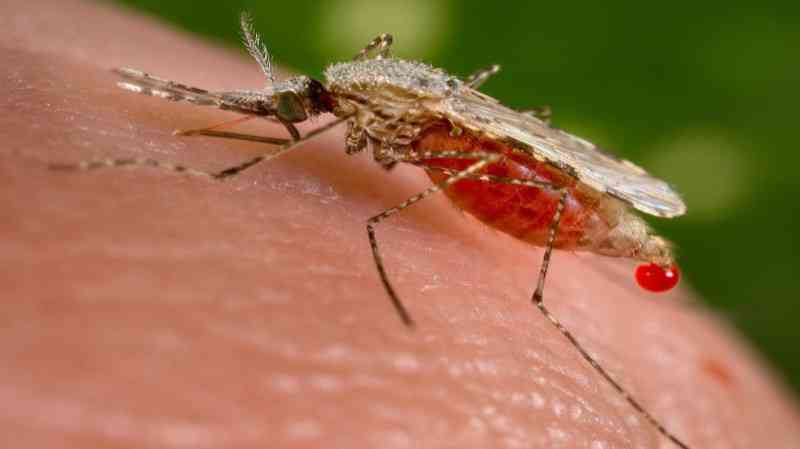
A sharp increase in malaria cases has killed 10 people in Zimbabwe’s Mashonaland West province, with eight of those fatalities occurring in the last fortnight, according to a Ministry of Health and Child Care report.
The recent deaths have brought the cumulative toll for the province to 16 since the start of the year. Data dated March 20 shows a rapid escalation in infections, which jumped from approximately 2,000 cases on March 2 to 3,361 — an increase of more than 1,300 in less than three weeks.
Daily new infections are now averaging over 80, with 86 recorded in the last 72 hours.
Hurungwe District remains the epicentre of the outbreak, accounting for nearly half of the most recent infections. Cases have also been confirmed in Zvimba, Makonde, Sanyati, and Kariba.
Health officials noted that among the latest cases, seven were recorded in children under five and four in pregnant women. Despite the spike, authorities maintained that the overall case fatality rate remains relatively low at 0.48 percent.
However, health experts warn that the rapid rise is straining the regional health system. “We can safely conclude that mobility for malaria is on the rise and mortality is quite worrisome, especially because we have witnessed deaths from a highly preventable disease,” said Johannes Marisa, a health expert who emphasised the need for robust health education and prevention.
Former Health and Child Welfare minister Dr Henry Madzorera expressed concern over a critical shortage of essential medicines.
“There is a general shortage of medicines in Zimbabwe, and I suspect malaria treatment medicines have not been spared,” Madzorera said.
- Smuggling of gems bleeding Zim’s economy
- Artists must set strategic goals: Arts Council
- Smuggling of gems bleeding Zim’s economy
- Minister backs down on dethroned headmen
Keep Reading
He added that the ministry is "grossly underfunded" and noted that heavy and prolonged rains this year have created ideal breeding conditions for mosquitoes.
In response to the crisis, health authorities have intensified interventions. Essential supplies, including test kits and life-saving treatments such as artesunate and artemisinin-based combination therapies (ACTs), have been distributed to local facilities.
A programme of indoor residual spraying is currently underway in Hurungwe, while insecticide-treated nets are being rolled out across all affected districts. Community health workers have also been deployed to strengthen surveillance and conduct awareness campaigns