Marvel Act Youth Organisation (Mayo) Zimbabwe has joined the global community in commemorating the International Day of Education, reaffirming its commitment to education as a fundamental human right and a critical driver of social justice, equality, and sustainable development.
International Day of Education, held annually on January 24, is a UN-designated day celebrating education as a fundamental human right, public good, and key driver for global peace and sustainable development (SDG 4).
This year’s commemorations are being held under the theme “The Power of Youth in Co-Creating Education”, which highlights the importance of placing young people at the centre of education reform and decision-making processes.
In a statement, Mayo Zimbabwe stressed that education should never be treated as a privilege reserved for a few, but as a right that must be guaranteed to every child, regardless of gender, disability, socio-economic background, or geographic location.
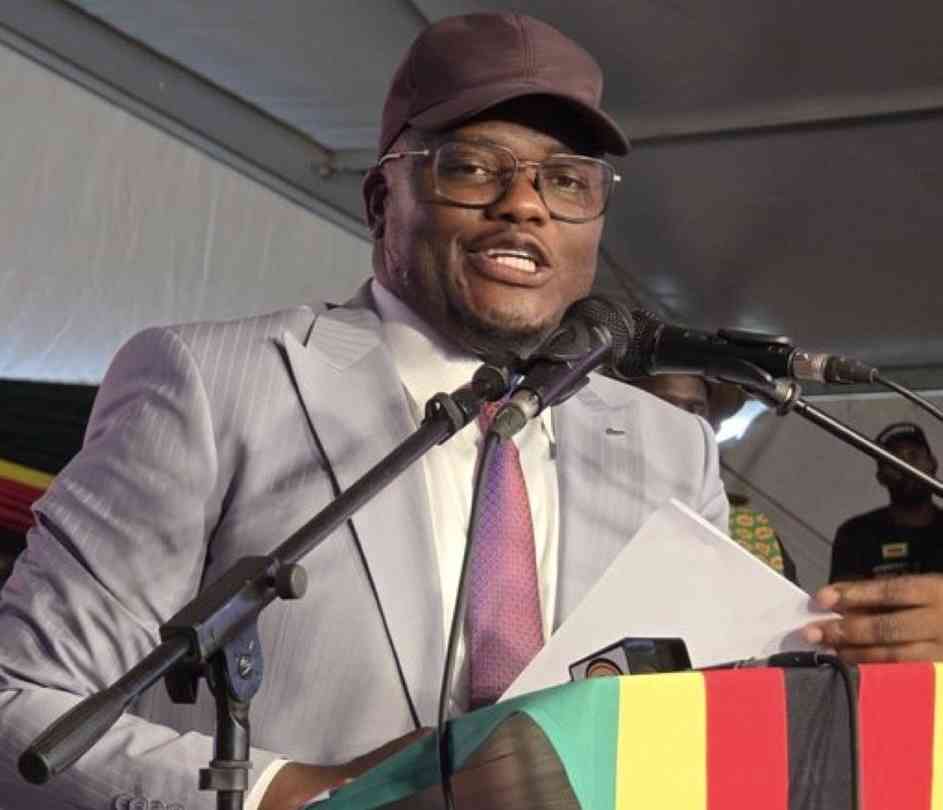
MAYO director Abel Mavura emphasised the need for meaningful youth participation in shaping education systems, saying education becomes transformative when young people are recognised as partners rather than passive recipients.
“Education is not a privilege reserved for a few, but a fundamental human right that must be enjoyed by every child,” said Mavura.
“Young people must be recognised as key partners in shaping education systems that are inclusive, equitable, and responsive to realities on the ground.
“When youth are empowered to participate in decision-making, education becomes a powerful tool for social justice and sustainable development.”
- Govt opens ChiTown e-passport centre
- Telecoms giant TelOne expands in Bulawayo
- Mayo pushes for elimination of harmful practices
- PaDendere: Harare meat lovers’ roost
Keep Reading
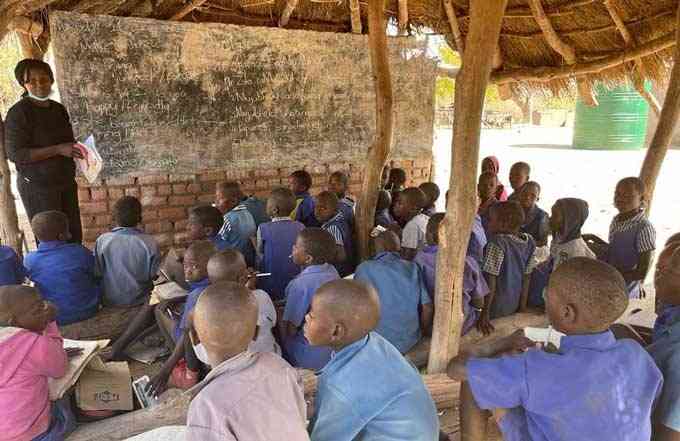
While acknowledging progress made in expanding access to education, Mayo expressed concern over persistent barriers that continue to exclude many children, particularly those in rural and marginalised communities.
The organisation cited poverty, disability, gender inequality, inadequate infrastructure, and unequal distribution of resources as major obstacles undermining the principle of education for all.
According to Mavura, these challenges continue to widen social and economic inequalities if left unaddressed.
“Children in rural and underserved communities are still being left behind,” he said.
“We are calling on duty bearers to move beyond commitments on paper and ensure that education policies translate into real, measurable change in classrooms and communities.”
As an organisation that works closely with communities and young people, Mayo reiterated its call for inclusive, equitable, and quality education systems that accommodate children with disabilities and other marginalized groups.
The organisation also advocated for equal access to quality education, stronger protection of the right to education without discrimination, and increased accountability from duty bearers to ensure implementation of education policies.
Mayo further stressed the importance of youth participation in education governance, policy dialogue, and decision-making processes, arguing that young people bring innovation, lived experience, and accountability to education reform efforts.
The organisation noted that young people are not merely beneficiaries of education systems but are active co-creators of inclusive, transparent, and responsive education structures.
By empowering youth with knowledge, leadership skills, and advocacy tools, the organisation said it is contributing to the development of education systems that leave no one behind.
As Zimbabwe and the global community continue to pursue SDG 4, Mayo called on government institutions, civil society organisations, development partners and communities to recommit to education as a public good and a shared responsibility.