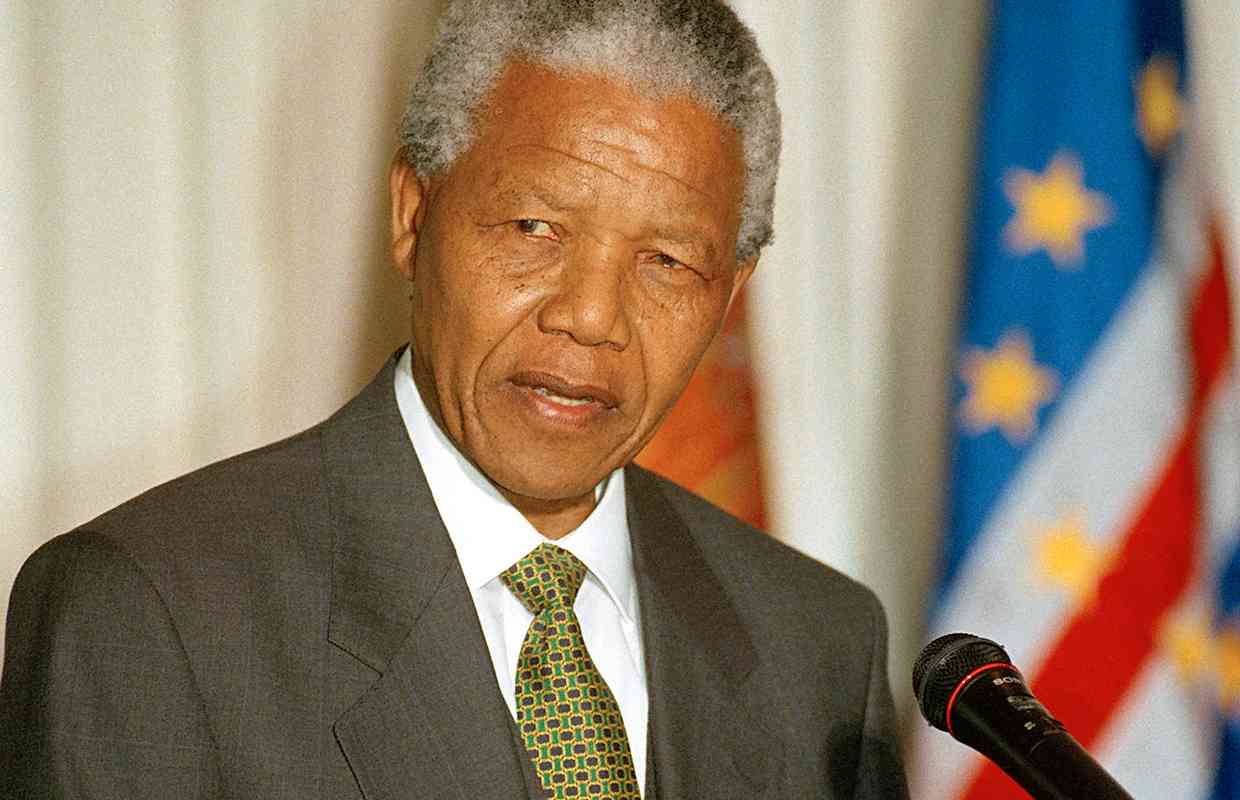
In 2008 South Africa's former president and global icon Nelson Mandela once famously described the Zimbabwean crisis as a "tragic failure in leadership."
While his characterisation of Zimbabwe's challenges was naturally warmly received by those critical of the Zanu PF government, then under long serving leader — Robert Mugabe, there possibly could have been a deeper message that Mandela was putting across beyond pointing out the obvious inadequacies of the political leadership.
The reflections of Mandela largely focussed on his souring relationship with Mugabe, but missed the bigger point of how leadership at all levels had failed Zimbabwe at all levels.
Indeed all Zimbabweans are culpable at both micro and macro levels.
Granted, the government takes the greater shed of blame — by virtue of being duty bearers who manage the national purse and resources as well as having the monopoly to use force.
But the diagnosis of the Zimbabwean crisis rarely introspect the role of the individual, family and other such structures.
Yet everything begins at an individual level and their influences be there psychological or sociological.
To this extent it is important for community and national leaders, in their respective spheres to invest in a process of self-awareness.
- Out & about: Warner Music Group squashing the impossible
- Ex-ChiTown chamber secretary fails to stop trial
- Parly caucus on PWDs mooted
- Directors call for workplace shift post Covid restrictions
Keep Reading
The process of self-awareness is an integral part of personal healing that translates to national healing and to forging unity of purpose.
Zimbabwe, born out of a liberation struggle — has from its history to the present day been characterised by periods of heightened confrontations that have induced hurt among the country's leaders and citizens.
Whether you track the wounds from the liberation struggle, the Gukurahundi genocide, the Economic Structural Adjustment Programme (Esap), the political and electoral violence and policies that have led to citizens homeless or their savings wiped out.
There has been minimum investment at a national level to heal these wounds.
Processes to address some of these unfortunate episodes in the country's history have been marred by controversies and accusations of insincerity.
As a result the country is carrying a heavily laden citizenry and on the verge of an unhealthy explosion if not addressed.
Add to this some challenges of a personal nature, chief among them lack of income, breakdown in family relationships and societal stereotypes.
These personal and structural challenges have an impact on the individual and how they lead.
Hurt people hurt others.
It is, therefore, prudent to periodically reflect and have a sense of self awareness and to process and heal wounds.
Last week I had an opportunity to participate in a retreat for civic leaders in Capetown, South Africa convened by the Institute of Healing of Memories.
The value proposition for the Institute is that investing in the healing of hurtful memories renews the mindset of the individual to ultimately influence society positively.
For this particular retreat, civic leaders were drawn from Mozambique, Eswantini, Zimbabwe and South Africa.
One key output of this process is not only the beginning of a journey towards self-awareness but to harness methods of how to meditate on positive thoughts.
In this profound process of engaging of emotions and thought processes, my reflections were both personal, professional and at a national level.
I particularly reflected on the democratic struggle in Zimbabwe and the role that myself and my colleagues, two of which I was with in Capetown - have been playing in the constant engagements to influence reforms.
In focussing on the democratic struggle in different facets, civic leaders often forget themselves and the bruises they carry from the struggle and at a personal level.
The focus is on the broader goals and the desire for a better life for all at the expense of the person and the need to heal personal wounds.
Carrying these wounds have equally been transferred to the leadership in the sphere and certain unhealthy and dictatorial tendencies are carried to the public domain.
This really has become the tragedy of broken leadership on Zimbabwe's democratic struggle.
The wounds carried from the state, from religion, families and society finding expression in how the democratic struggle is organised.
Leaders should invest in a process of mediation and in self-awareness such they can find healing. A healed leadership can recalibrate the social justice and democratic struggle in Zimbabwe.
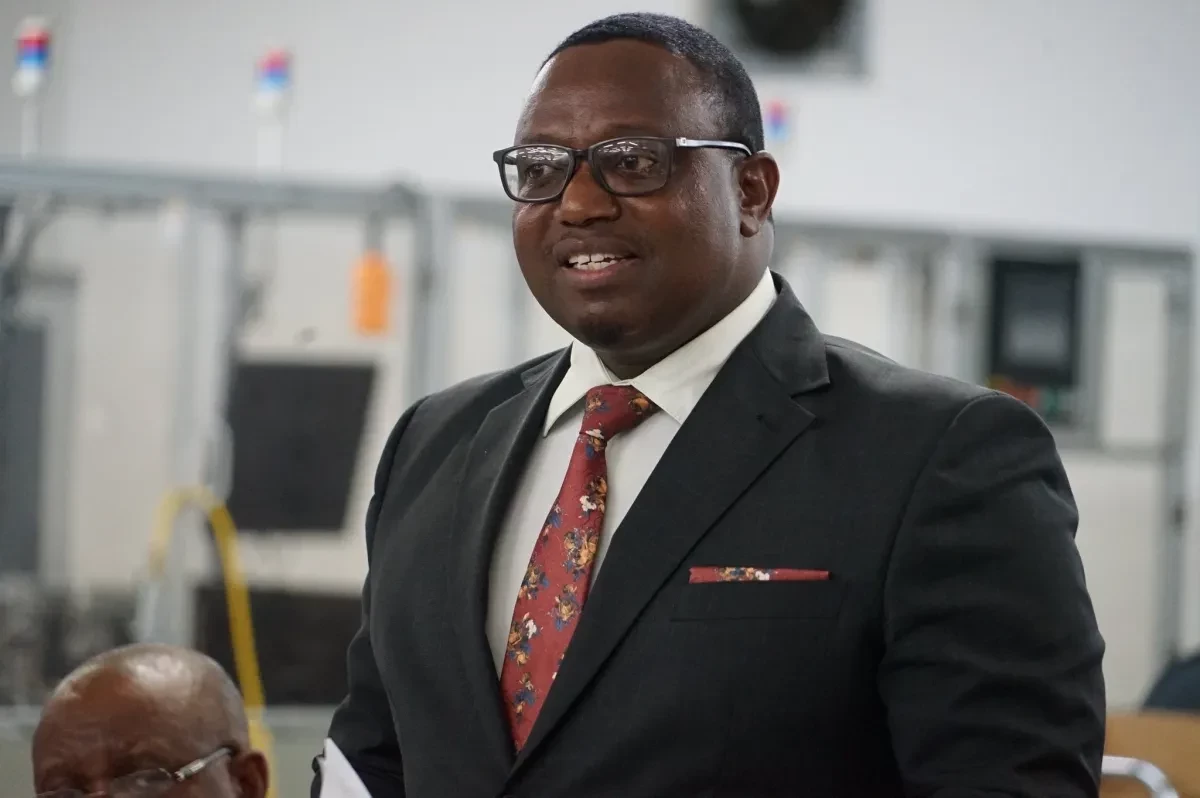
*Nigel Nyamutumbu is a media development practitioner serving as the coordinator of a network of journalistic professional associations and media support organizations, the Media Alliance of Zimbabwe (MAZ). He can be contacted on [email protected] or +263 772 501 557