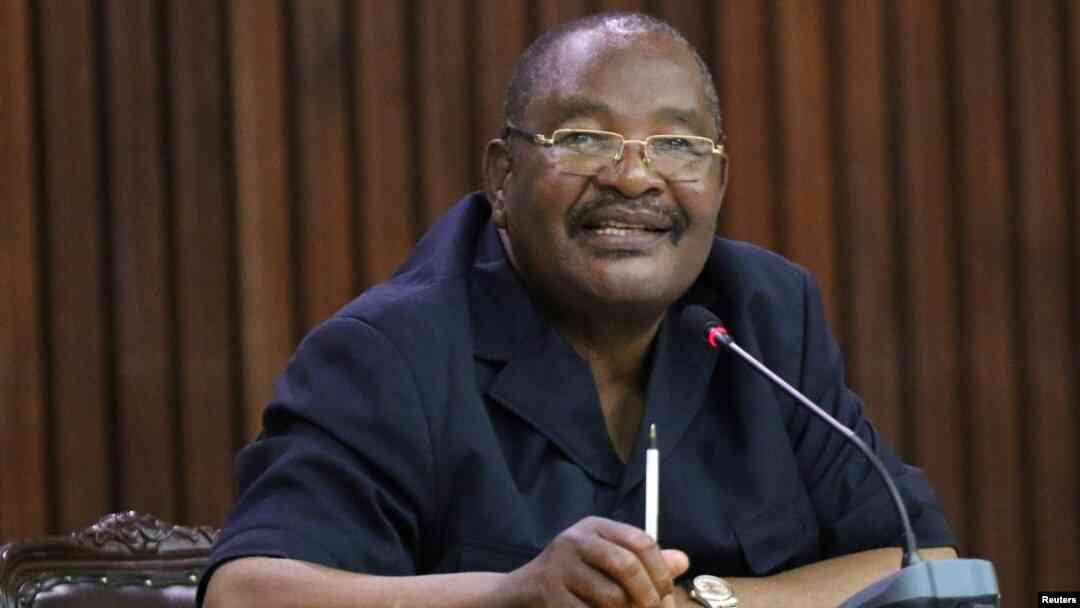
ZANU PF is facing renewed internal tensions amid reports that veteran party figure Obert Mpofu has reduced his public engagement with the ruling party since his reassignment last year, senior party sources told the Zimbabwe Independent this week.
The strain follows President Emmerson Mnangagwa’s September 2025 reshuffle of the party’s top leadership, a move that unsettled long-standing internal power balances and reconfigured the party’s centre of gravity.
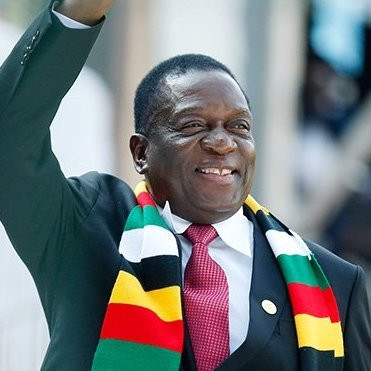
Mpofu was removed from his influential post as secretary for administration and reassigned to the lesser role of secretary for Information Communication Technology, a shift widely interpreted by analysts as a political demotion ahead of Zanu PF’s crucial annual conference that took place in Mutare in October.
A former Cabinet minister and long-time politburo heavyweight, Mpofu has since maintained a low-profile within party structures.
Senior officials say he has largely remained in Bulawayo and has not been regularly present at party headquarters in Harare, despite repeated efforts to draw him back into active duties.
This week, Mpofu declined to comment substantively on the matter, telling the Independent: “I have seen your questions, but what do you need that information for?” He did not respond to follow-up calls.
However, multiple senior party insiders said attempts to persuade Mpofu to resume a more active role have so far yielded little success.
- Mnangagwa marches expose Zanu PF fights
- Big send-off for Cont Mhlanga
- Massive ZRP vehicle theft scam exposed
- Zanu PF bigwigs face axe in purge
Keep Reading
Sources said he has been absent from several key meetings since the reshuffle.
The September changes were also widely read as part of a broader strategy to weaken Vice-President Constantino Chiwenga, with whom some senior party officials have long been perceived to share political ties.
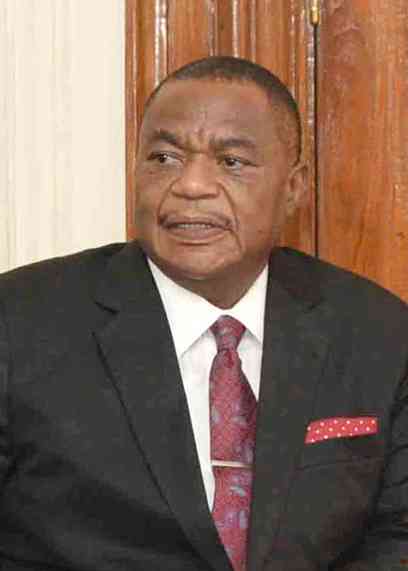
The ruling party, and the country more broadly, is deeply divided over moves to extend Mnangagwa’s term from 2028 to 2030, with growing calls from some quarters for the President to retire and make way for generational renewal. Chiwenga is among those widely-tipped as a potential successor.
Speaker of the House of Assembly Jacob Mudenda replaced Mpofu as Zanu PF secretary-general, while former Finance minister Patrick Chinamasa assumed the party’s treasury portfolio. Justice, Legal and Parliamentary Affairs minister Ziyambi Ziyambi took over as legal secretary.
Asked to comment on the developments, Zanu PF spokesperson Christopher Mutsvangwa said he was out of the country before forwarding Mpofu’s mobile number, while the party’s director of information, Farai Marapira, had not responded to questions by last night.
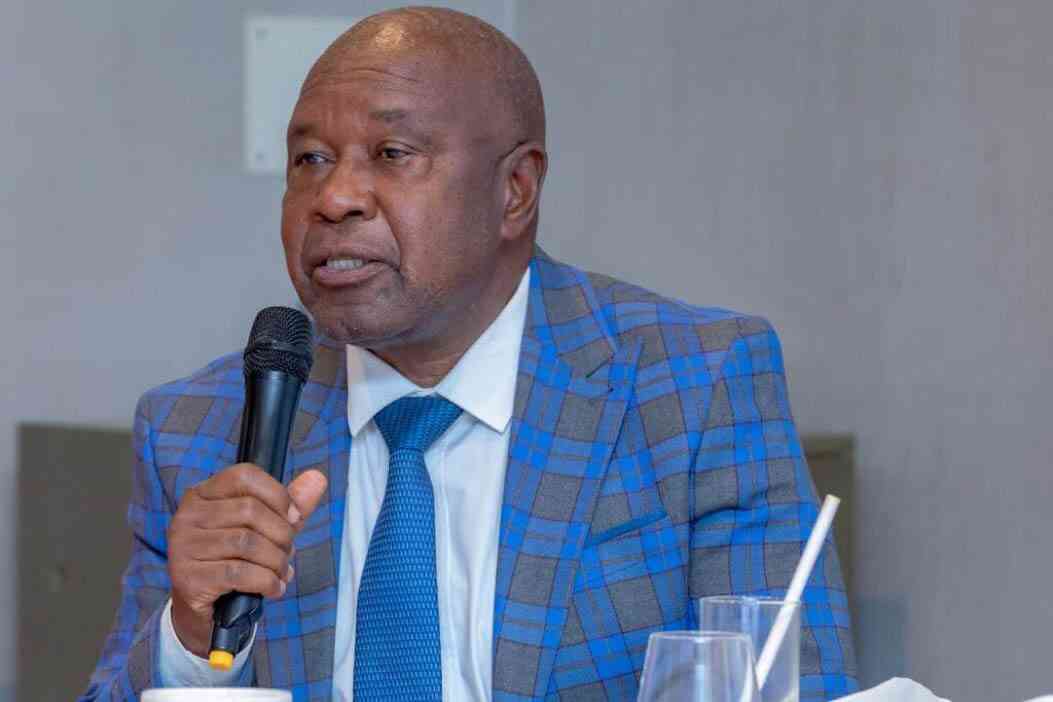
Sources said the rift has become sufficiently serious that the party has, on at least two occasions, sent emissaries to Bulawayo to re-engage Mpofu, only to be rebuffed.
“Firstly, the President sent his aide to ask when Mpofu would return to the party offices in Harare,” a senior Zanu PF official said. “Mpofu refused. He said he was treated badly and had no interest in engaging.”
After that approach failed, party directors were sent last Friday to re-open talks. Sources familiar with the encounter said they received the same response, before attempting, unsuccessfully, to arrange a direct conversation between Mpofu and Mnangagwa.
“He refused to speak to the President,” the source said.
“He said what was done to him closed that chapter.”
Mpofu’s reduced visibility marks a striking reversal of fortunes for a figure who once controlled Zanu PF’s organisational machinery and wielded significant authority within both party and state.
His estrangement has exposed growing unease within the ruling party amid intensified power consolidation. It has also reignited resentment among some liberation war veterans who feel increasingly marginalised after decades of service.
Once regarded as one of Zanu PF’s most formidable internal operators, Mpofu rose from a regional organiser in Matabeleland to become secretary for administration. It is one of the party’s most powerful positions, overseeing structures, discipline and internal elections.
He also served in Cabinet under both the late former president Robert Mugabe and Mnangagwa, holding key portfolios, including Home Affairs minister, Transport and Communications minister, and minister of Mines and Mining Development.
The President’s continued efforts to reach out to Mpofu suggest concern about the political cost of leaving the rift unresolved, particularly in Matabeleland, where Mpofu retains influence and where Zanu PF has historically struggled to consolidate support, according to analysts.
Mpofu’s refusal to engage privately is highly unusual in a political culture that prizes loyalty and deference. Analysts said this points to a personal rupture that goes beyond routine factional manoeuvring.
“Mpofu feels humiliated,” said a former senior party official.
“He believes the way he was removed was disrespectful, and that no attempt was made to resolve issues internally before discarding him.”
While there is no evidence of an imminent political comeback, Mpofu’s isolation is increasingly seen as a symptom of instability within the ruling elite.
Zanu PF has long projected an image of unity, but behind closed doors, succession tensions, economic decline and factional rivalries are intensifying. With Zimbabwe grappling with inflation, currency volatility and growing public frustration over governance, internal cohesion is becoming ever more critical for Mnangagwa’s political survival.