AS each year comes to a close, it leaves behind a sequence of tense and memorable events that characterised its trajectory.
The Zimbabwe Independent presents the most notable remarks from 2025. While this list is not exhaustive, it does represent our picks for the year’s most impactful and thought-provoking statements:
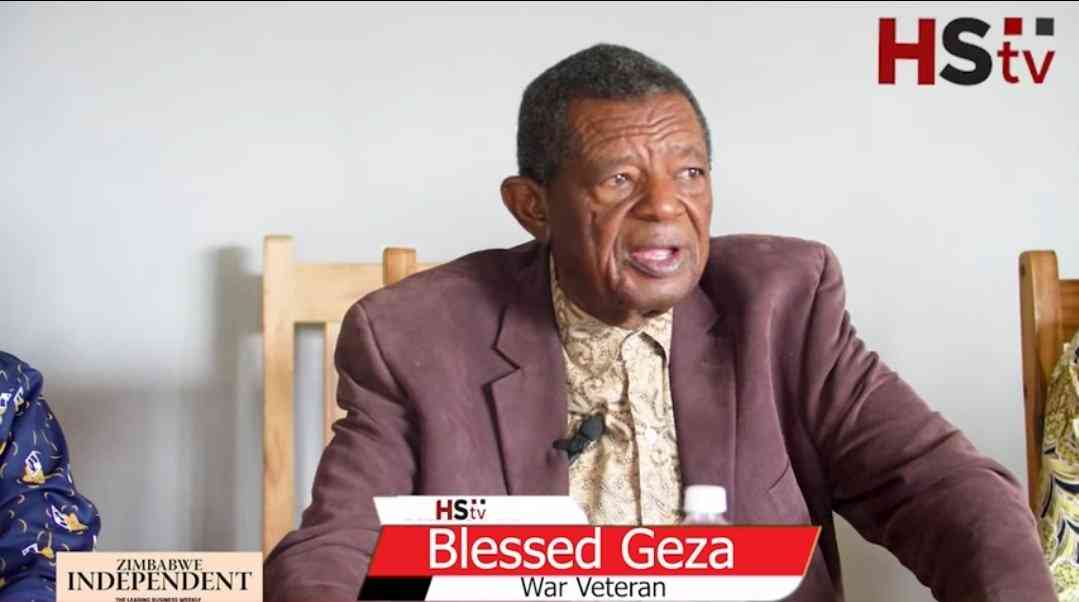
“It proves that the (President Emmerson) Mnangagwa administration has abandoned its constitutional mandate and chosen to protect thieves over citizens. When a regime prioritises paying criminals over stocking hospitals with medicine, it loses all legitimacy. This administration is now the political wing of zvigananda, a cartel of looters.”— Blessed Geza, outspoken former Zanu PF Central Committee member.
Geza made this statement in October, accusing Mnangagwa of siding with businesspeople, now known as zvigananda, against the interests of long-suffering Zimbabweans.
“This has raised suspicions that these demonstrations have no agenda to right the wrongs of the government, but rather to further the interests of one faction over the other. Once again, the people of Zimbabwe are being used as pawns in a political game that has little to do with their welfare.”— A security source.
According to security insiders regarding the March 21 demonstration, while police patrols and preventative measures had been strengthened, the protests appeared to be centred on Zanu PF factional conflicts rather than genuine grassroots mobilisation.
“I am hereby suspending you from duty pending investigations, following a spate of power outages prior to the commencement of the Zanu PF conference in Mutare and during the State of the Nation Address in Parliament on October 28, 2025. You will be on full pay and benefits, pending the outcome of the investigations. During the period of suspension, you are not to communicate with Zesa Holdings group staff.”— From a letter addressed to Zimbabwe Electricity Transmission and Distribution Company acting managing director Abel Gurupira, written by Zesa Holdings group chief executive officer Cletus Nyachowe.
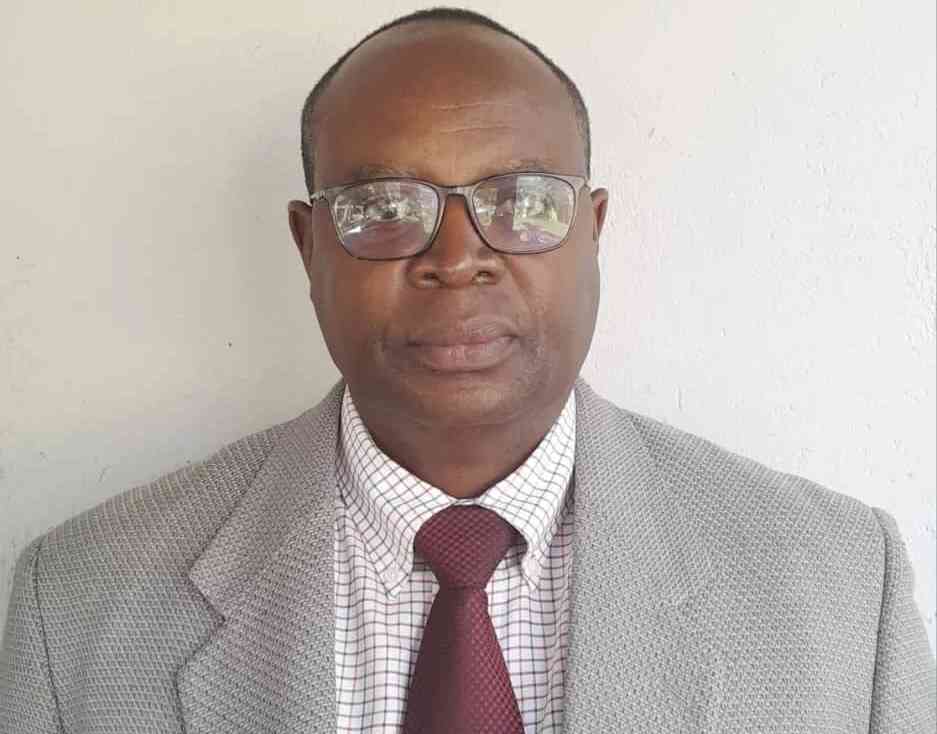
This is not the first time Mnangagwa has faced a similar situation, as authorities were left scurrying for alternative illumination when power went out during the presentation of the 2025 national budget last year.
- Corruption Watch: Get scared, 2023 is coming
- Corruption Watch: Get scared, 2023 is coming
- Letters: Ensuring Africa’s food security through availability of quality seeds
- Is military's involvement in politics compatible with democracy?
Keep Reading
“Instead of arresting journalists and criminalising the profession, Zimbabwean authorities should be doing everything in their power to protect media freedom and the constitutionally-guaranteed rights of the country’s media professionals. A strong, healthy democracy should have the courage to hold a mirror to itself. (Zimbabwe Independent editor Faith) Zaba should be immediately freed to continue doing exactly that.”— Andrew Heslop, executive director for press freedom at World Association of Newspapers and News Publishers.
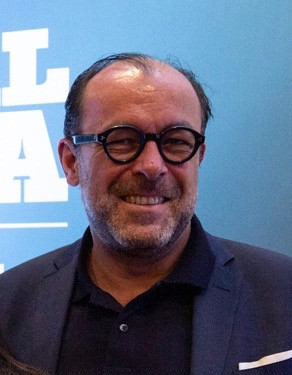
Zaba was arrested in July for a satirical article published in the Independent’s long-running Muckraker column. Authorities responded by using contentious legislation to accuse her of “undermining the authority of or insulting the President”.
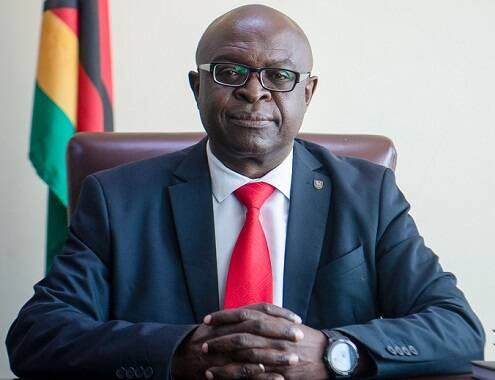
“A company is just a person in terms of the law. It’s really not a natural person created by God. It being a fiction, you can’t touch it. It does not have a brain of its own, so it’s very difficult to separate the acts of a company from the acts of the person who represents it. (Moses) Mpofu must have been aware of his obligation. He submitted a bid that contained falsified information, which confirms that he was liable.”— Justice Kwenda, while convicting them recently.
Mpofu and Chimombe, Zanu PF members and business partners, were found guilty by High Court Judge Justice Pisirayi Kwenda of defrauding the government of US$7 million in a bungled goat scheme.
“A contract is the document that links two people to a business transaction. But… there is no such document. (Zimbabwe Electoral Commission) Zec had said they have no business with them, Chivayo said there is no business with them, and we have nothing to go by as things stand.”— Zimbabwe Anti-Corruption Commission chairperson Michael Reza on allegations levelled against Chivayo of fraudulent dealings involving Zec.
“It’s a broader investment, really, in the hundreds of millions (United States dollars), maybe even up to US$1 billion but, you know, we will tell you the amount as we go. But really, it will be over US$1 billion because of the pipeline. There is quite a bit of change between that time when we came and now. Government is solid. So, His Excellency has passed that exam. And that is why we are here to make sure that we give him a very big mark.”— businessman Aliko Dangote.
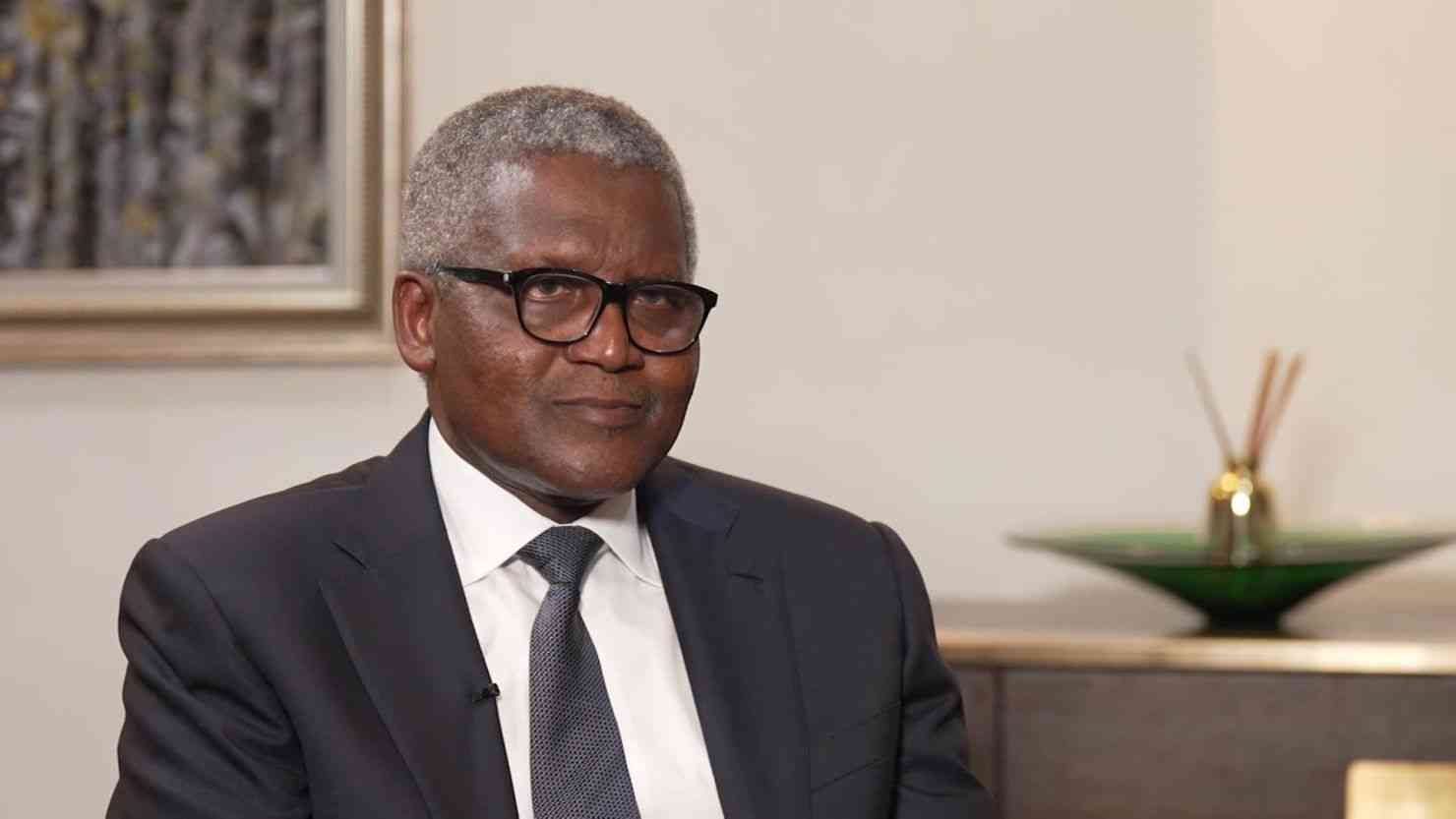
Dangote, Africa’s richest man, struck a multibillion-dollar investment deal with the Zimbabwean government in November. The funds will be distributed across the country’s cement, fertiliser, infrastructure and energy sectors.
“The authorities refer to US$22 billion, but there is evidence to believe that the debt is well more than US$30 billion. There is considerable opacity surrounding some debts. There is also opaqueness around the parastatal debt that is being inherited and assumed by the government. So, the first thing is to verify and audit this debt.”— former finance minister Tendai Biti, after the 2026 national budget was presented.
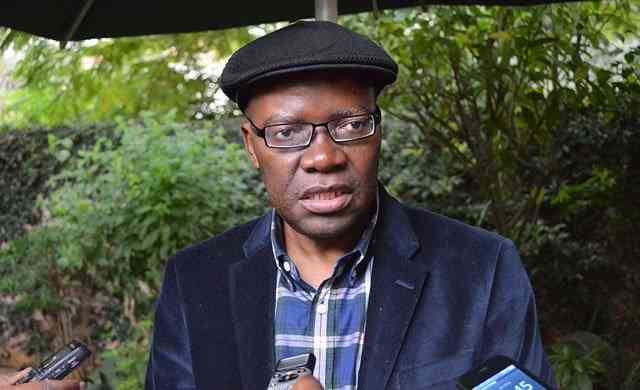
Zimbabwe’s public debt has risen to frightening proportions, raising serious concerns about fiscal indiscipline and the country’s growing economic fragility.
“The reduction of IMTT on ZiG transactions from 2% to 1,5% is being sold as a gesture to promote use of the local currency, but in reality, it is a cosmetic adjustment that does not address the deeper issue; people avoid ZiG not because (Intermediated Money Transfer Tax) IMTT is high, but due to them not trusting the currency.”— Economist Chenayimoyo Mutambasere, on the 2026 budget.
Mutambasere raised doubts about the budget’s planned policies, particularly the decrease of the IMTT for ZiG transactions to 1,5% from 2%.