
As criminal activity becomes increasingly sophisticated, police forces around the world are turning to technology and artificial intelligence (AI) to stay ahead.
In Zimbabwe, questions are being asked about whether the Zimbabwe Republic Police (ZRP) is also embracing AI tools to combat crime and if so, how far this transformation has gone.
The short answer is that the ZRP is not yet operating a fully-fledged AI-driven policing system, but it is progressively adopting digital and AI-assisted technologies that mark a clear shift away from traditional, manual methods of law enforcement.
One of the most visible areas where AI-related tools are emerging is traffic policing. Plans announced by the government and police authorities point to the introduction of smart traffic management systems in major cities such as Harare and Bulawayo.
These systems rely on intelligent cameras capable of automatic number-plate recognition, speed detection and red light monitoring.
Once operational, such systems can automatically identify offending vehicles, link them to registration databases and generate electronic offence records.
While human oversight remains central, the analytical work is increasingly automated, improving efficiency and reducing opportunities for corruption.
Beyond traffic enforcement, the ZRP has also invested in digital forensic technologies, particularly in fingerprint identification.
- Harare businesswoman turns heat on police CCU over 'bias'
- Letter to my people: Criminals are hiding in plain sight
- Crime tech: Technology can eradicate corruption
- UZ situation, a mere tip of the iceberg
Keep Reading
The introduction of the Automated Fingerprint Identification System (AFIS) represents a major leap forward. Previously, fingerprint analysis was labour-intensive and time-consuming, relying on manual comparison.
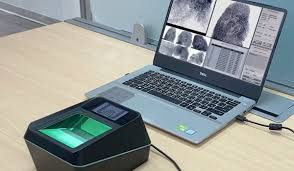
AFIS allows fingerprints collected at crime scenes to be scanned, digitised and matched against national databases within minutes. Although not commonly branded as AI, the system uses algorithmic pattern recognition, a core AI function to accelerate investigations and improve accuracy.
The police have also deployed drones for surveillance and crime prevention, especially during peak crime periods such as holidays and major public events.
These drones provide real-time aerial footage, enabling commanders to monitor high-risk areas, manage crowds and respond rapidly to incidents.
While drones themselves are not AI, many modern platforms include intelligent tracking and image analysis features that enhance situational awareness.
In Bulawayo and other urban centres, police leadership has spoken openly about the future use of predictive analytics and digital intelligence tools. These systems analyse historical crime data to identify patterns, hotspots and emerging trends, allowing police to deploy resources more strategically. Social media monitoring and digital evidence analysis are also becoming part of modern investigations, particularly in cases involving fraud, cybercrime and organised criminal networks.
International cooperation further strengthens these efforts. Zimbabwe’s integration with International Criminal Police Organisation databases allows the ZRP to access global criminal intelligence, including data on wanted suspects, stolen vehicles and cross border crime syndicates.
Automated data sharing and intelligent search tools make it possible to identify links that would be difficult to uncover manually, especially in transnational crime cases.
However, the adoption of AI in policing is not without challenges. Advanced AI systems require robust data infrastructure, reliable connectivity, skilled personnel and clear legal frameworks.
Issues of privacy, data protection and accountability must be carefully managed to maintain public trust. Zimbabwe, like many developing countries, is still building these foundations, which explains the gradual and selective nature of AI adoption within the police force.
ZRP officials consistently stress that technology is not intended to replace officers on the ground, but to enhance their effectiveness. AI tools, they argue, act as force multipliers — allowing fewer officers to do more with better information and faster response times.
- Mutisi is a political analyst. Cell: +263772278161.