
WHEN American internet sensation IShowSpeed hopped from one African capital to another, livestreaming shiny airports, seamless highways, modern stadiums and youthful energy, it was tempting to dismiss it as fleeting digital theatre.
But it was never really about a YouTuber. It was about a mirror Africa is now holding up to Zimbabwe, and what we see is deeply uncomfortable.
There was a time when Zimbabwe was among the most developed countries on the continent, a reference point for urban planning and public administration. In the 1990s and early 2000s, every return trip from southern, eastern, western or northern Africa came with a quiet sense of pride. Home felt ordered — functional and promising.
After Independence in 1980, Zimbabwe stood tall, confident and respected. We were the breadbasket of Africa, a regional powerhouse anchored by strong infrastructure, a solid education system and a productive agricultural base.
Our commercial farms fed the region. Our factories hummed. The Zimbabwe dollar was at par with the British pound and stronger than the United States dollar often cited at Z$1 to roughly US$1,47.
Harare was the envy of the continent. Clean, green and efficient, it earned the nickname “Sunshine City”. Refuse was collected. Roads were maintained. Clean water flowed. Street and traffic lights worked. Urban planning mattered. For many Africans in the region, Harare was proof of what was possible.
In the 1980s and early 1990s, Zimbabwe attracted people, not pity. Mozambicans fleeing war crossed our eastern border in search of peace and opportunity. Zimbabwe was the destination of choice.
Fast forward to today. Maputo, once dismissed as peripheral and struggling, is steadily reinventing itself, adding modern buildings and upgrading infrastructure. The irony is painful.
- Mavhunga puts DeMbare into Chibuku quarterfinals
- Bulls to charge into Zimbabwe gold stocks
- Ndiraya concerned as goals dry up
- Letters: How solar power is transforming African farms
Keep Reading
Look east, west and north. Rwanda emerged from the horror of the 1994 genocide — one of the darkest chapters in modern history. Over 800 000 people were killed, infrastructure destroyed and the economy shattered.
Yet today, Kigali is spotless, efficient and purposeful. Through disciplined governance and long-term planning, Rwanda invested early in human capital and infrastructure. Its sporting facilities are world-class.
Zimbabwe, which once towered over Rwanda in every metric, is now nowhere near it. Zimbabwe does not even have a Confederation of African Football-approved stadium to host international matches. And this is happening in the 21st century. How embarrassing!
Kenya has spent the past decade transforming its infrastructure — new railways, expanded highways and ambitious urban projects that signal belief in the future.
Ethiopia’s Addis Ababa, which many remember in the early 2000s as congested and chaotic, has transformed itself with modern rail, efficient public transport and gleaming buildings. It now hosts continental institutions and an emerging artificial intelligence ecosystem, investing not just in roads but in relevance.
Look north again. Morocco has built high-speed rail, state-of-the-art stadiums, modern ports, renewable energy plants and globally competitive cities, positioning itself as a bridge between Africa and Europe. It planned, executed and moved on.
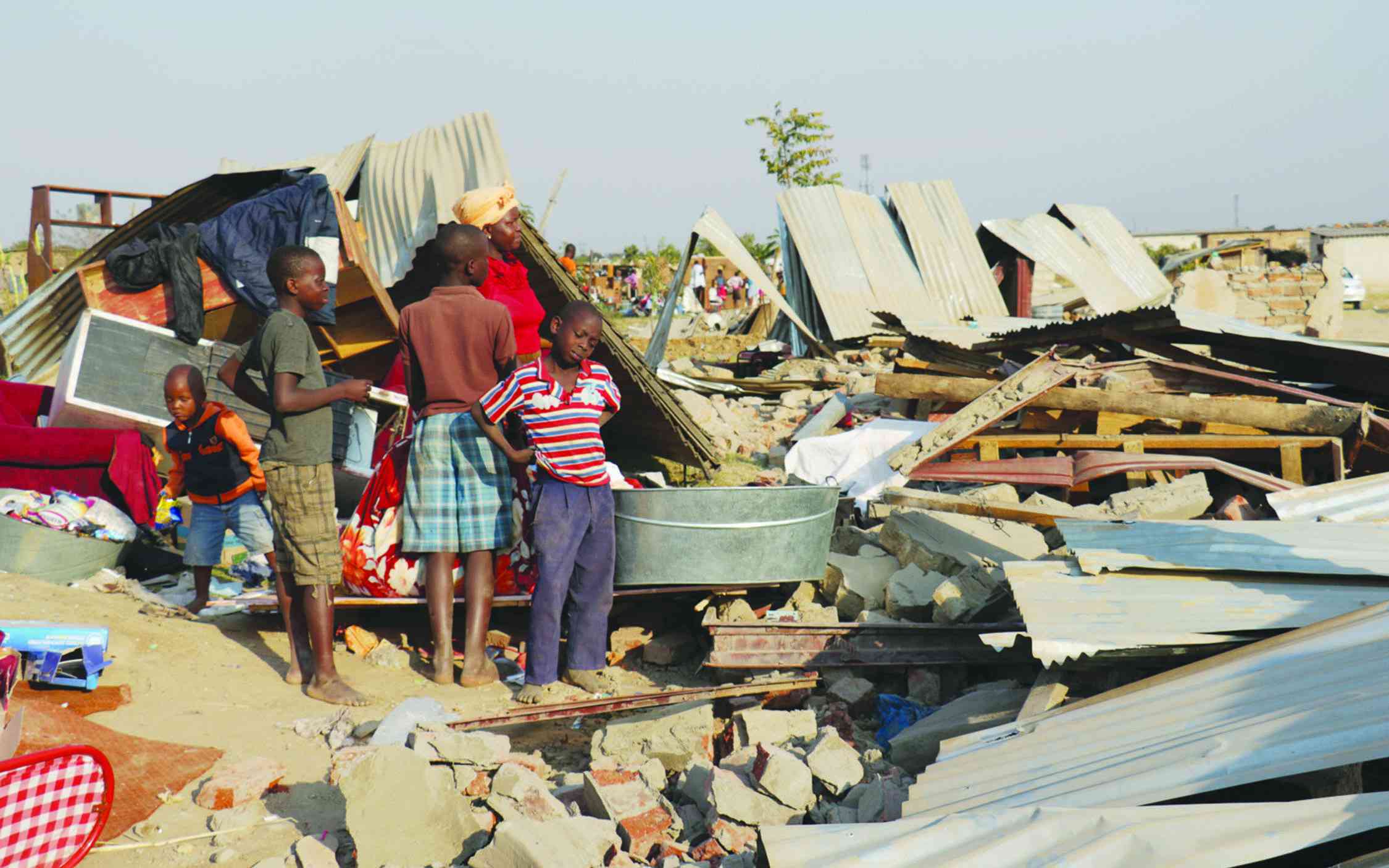
And Zimbabwe? We are still arguing about potholes, water cuts and power outages.
Let us be clear: Zimbabwe is not poor because it lacks capacity. We are not behind because we have no resources. We sit on vast mineral wealth — gold, platinum, lithium and diamonds. We have the human capital and land. We just lack proper planning and implementation.
Somewhere along the way, national focus shifted from building institutions to looting; from long-term planning to short-term extraction; and from public service to personal enrichment.
Corruption is no longer an aberration; it is a system. Grand infrastructure announcements replace delivery.
Costs of major projects are inflated, workmanship is poor, and roads are patched rather than redesigned. Vision documents multiply as cities decay.
The tragedy of Zimbabwe is not failure; it is wasted advantage. Countries that were poorer have overtaken us not because they are smarter or more endowed, but because they chose discipline over entitlement, planning over patronage and accountability over slogans.
IShowSpeed’s tour was entertainment for some. For Zimbabwe, it should be a wake-up call. Africa is moving — fast. It is building, branding and believing in itself. Zimbabwe is stuck debating yesterday while tomorrow races ahead.
Revival will not begin with slogans. It will begin with honest leadership, clear priorities and an end to the politics of plunder. Until then, the Sunshine City will remain a memory and a warning.