
GOVERNMENT’S announcement that Zimbabwe has achieved single-digit inflation in the domestic currency is, on the surface, a milestone worth acknowledging.
After decades of price volatility, currency instability and eroded confidence, the claim that inflation slowed to 4,1% year-on-year in January 2026 signals tighter fiscal and monetary coordination. For policymakers, it provides a narrative of progress. For businesses and households, however, the lived reality remains more complex. The central question is whether this stability is organic and sustainable, or largely artificial. Inflation statistics alone do not capture the true health of the economy, particularly in an environment where liquidity constraints, payment arrears and currency acceptability continue to distort normal market activity.
A major contradiction lies in government’s own payment practices. While authorities speak of macroeconomic stability, the State remains in arrears to suppliers, including contractors in the construction sector. These unpaid obligations effectively drain liquidity from the private sector, forcing companies to downscale operations, accumulate debt or shut down entirely. Stability achieved by delaying payments and shifting pressure onto businesses is not genuine stability; it is deferred economic stress.
The construction industry illustrates this disconnect clearly. Contractors price projects, pay workers and service loans on the assumption that government will meet its obligations. When payments are delayed for extended periods, firms are pushed into survival mode. Equipment is repossessed, jobs are lost and productive capacity is eroded. None of this damage is captured in consumer price indices, yet it directly undermines growth and investor confidence.
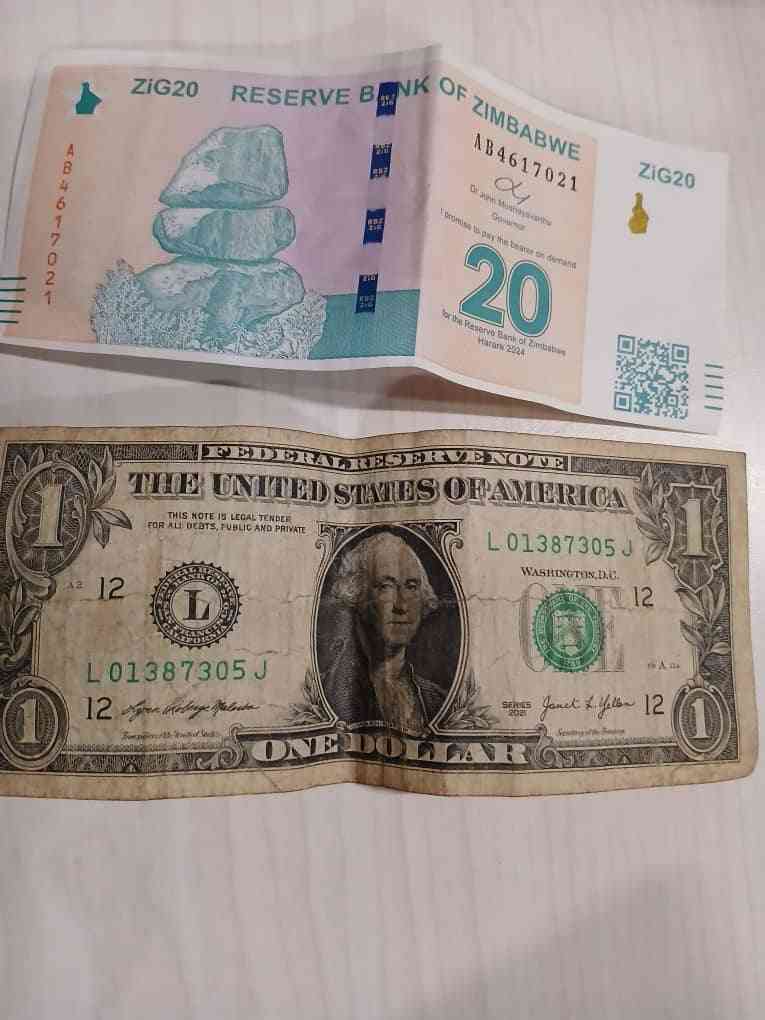
There are also unresolved concerns around the Zimbabwe Gold (ZiG) currency itself. While authorities emphasise that ZiG is backed by gold and foreign currency reserves, acceptability remains uneven. ZiG is not readily available in banks, nor circulating widely enough to allow meaningful market testing. A currency cannot build trust through policy declarations alone; it must be accessible, liquid and convenient for everyday transactions.

Compounding this is the reality that many prices, rents and contracts remain denominated or indexed in US dollars.

- Teachers, other civil servants face off
- Veld fire management strategies for 2022
- Magistrate in court for abuse of power
- Vungu Dam water treatment and irrigation project takes off
Keep Reading
As a result, the relevance of ZiG inflation figures is limited for businesses and households operating in a de facto multi-currency economy. Stability in one unit of account does not automatically translate into stability across the broader market. Price stability is indeed essential for planning, investment and economic growth. But credibility is built through alignment between policy claims and operational realities. Timely payment of suppliers, improved currency availability and reduced administrative distortions would do more to entrench confidence than headline inflation figures alone.
Ultimately, the reported milestone should be viewed as a starting point, not a destination. Until government clears arrears, liquidity flows normally and ZiG becomes widely accessible and accepted, claims of stability will continue to invite scepticism. For the private sector, stability is measured not by statistics, but by cash flow, predictability and trust.