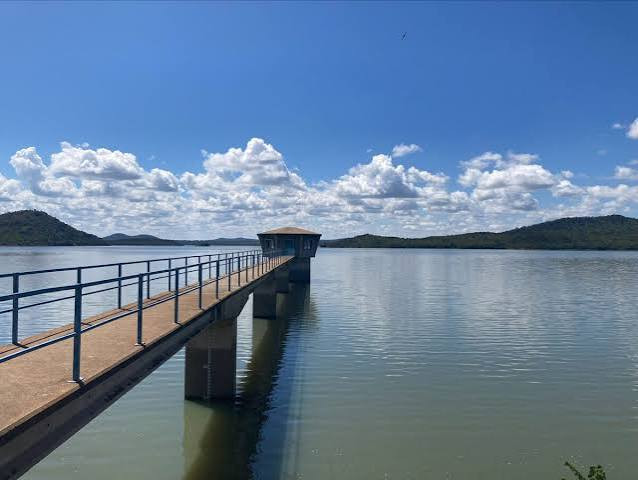
Bulawayo’s water supply dams are holding their healthiest reserves in years, yet thousands of residents are still unable to enjoy reliable water supplies as ageing infrastructure, equipment failures and production constraints continue to choke the city’s water delivery system.
A report presented to the future water supplies and water action committee shows that while the city’s six supply dams were 66,35% full as of July 15, with 275,1 million cubic metres of water in storage, the municipality is failing to convert much of that water into treated supplies reaching consumers.
According to the report, Bulawayo has the capacity to abstract approximately 165 megalitres of raw water a day from its available sources.
However, actual abstraction is averaging only 125,1 megalitres per day, while treated water production has fallen even further to 115,9 megalitres daily, leaving a significant gap between available water and what eventually reaches residents.
The report attributes the shortfall to operational problems rather than water availability.
“The average daily volume available for abstraction from all water sources is approximately 165ML/day and current abstraction is 125,1ML/day due to operational challenges including ongoing maintenance contracts, system breakdowns and supply interruptions,” the report read.
“The actual average daily production is 115,9ML.”
The figures suggest that Bulawayo’s biggest challenge has shifted from capturing water to processing and distributing it, with ageing infrastructure increasingly becoming the city’s weakest link.
- Revisiting Majaivana’s last show… ‘We made huge losses’
- Edutainment mix: The nexus of music and cultural identity
- ChiTown acting mayor blocks election
- Promoter Mdu 3D defends foreigners 30 minute set
Keep Reading
The report also highlights growing pressure on the city’s water treatment and pumping systems, warning that infrastructure maintenance is affecting the volume of water that can be supplied despite healthy dam levels.
While reservoirs have benefited from good rainfall, council says ageing equipment and recurring operational interruptions continue to undermine efforts to maximise production.
The report also showed that the city’s groundwater system remains an important support to the main supply network.
A total of 33 Nyamandlovu boreholes are currently operational, producing an average of 7,73 megalitres of water per day to supplement dam supplies.
The latest assessment also reveals that not all of Bulawayo’s dams are equally secure despite the overall improvement.
Insiza dam is 88,16% full, while Mtshabezi dam has reached 99,99% capacity.
However, Lower Ncema dam remains vulnerable and is projected to be depleted by October this year if current abstraction trends continue without additional interventions.
The report notes that the city currently has 258,5 million cubic metres of usable water, a significant improvement from the same period last year when dam levels had dropped to 43,89%.
Despite the improved outlook, council says reliable water supplies will depend not only on favourable rainfall but also on sustained investment in treatment works, pumping infrastructure and distribution systems capable of delivering available water to consumers.