Bulawayo residents, civic leaders and local authorities have called for a coordinated national response to support Zimbabwean nationals fleeing xenophobic attacks in South Africa.
They warned that while the numbers remain manageable for now, the influx could place additional pressure on urban services if not properly planned for.
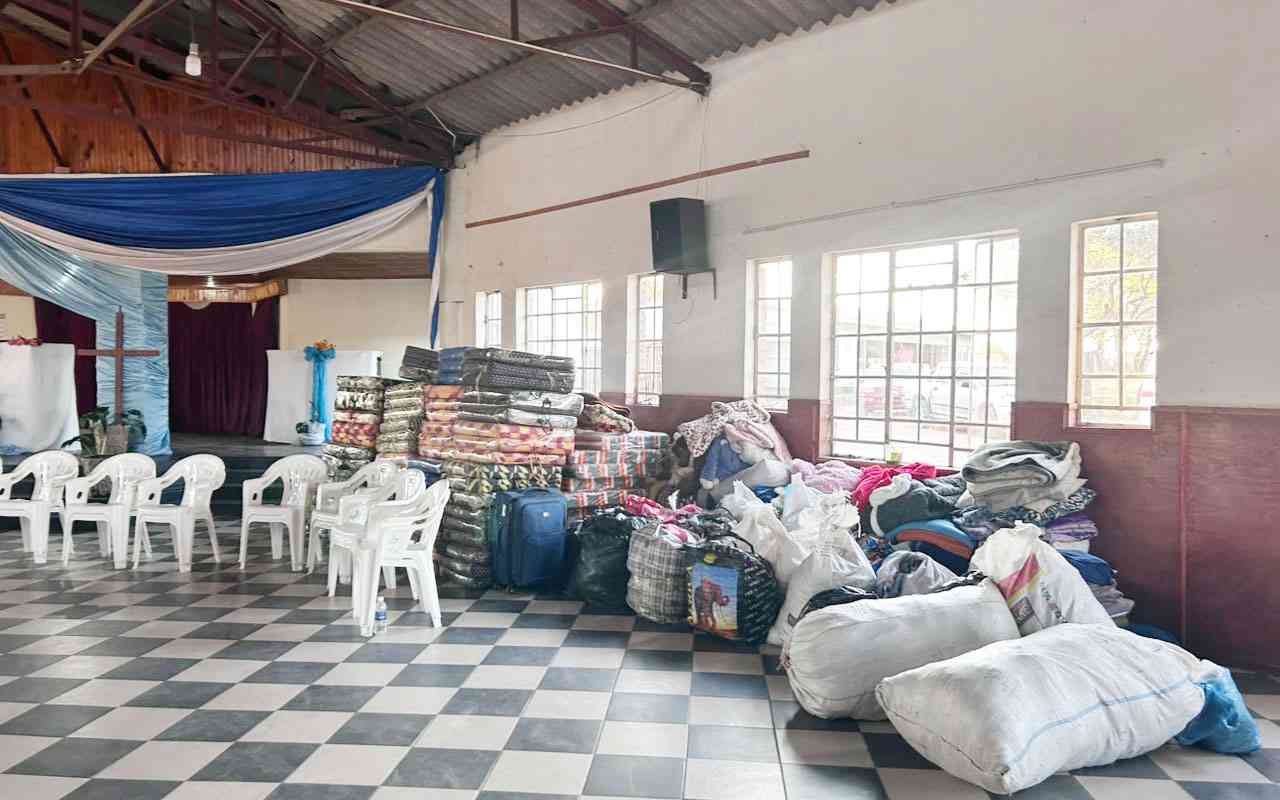
The calls came as buses carrying returnees continued to arrive at the United Congregational Church of Southern Africa (UCCSA) in Njube, Bulawayo, where returnees are receiving temporary accommodation and other essential services before being assisted to travel to their home districts.
The arrivals follow growing anti-foreigner tensions and protests in South Africa that have prompted many Zimbabweans to return home, triggering one of the largest movements of returnees in recent years.
Bulawayo United Residents Association (BURA) chairperson Winos Dube said it was still too early to assess the full impact of the influx.
He, however, warned that any increase in population would inevitably create additional demands on already stretched public services.
“As much as any other place, whenever the population or the number of occupants increases, there is an expectation that there are going to be certain side effects and more needs to accommodate people,” Dube said.
He said authorities should assist returnees to reconnect with their communities of origin rather than assume they would all settle in Bulawayo.
- Zim headed for a political dead heat in 2023
- Record breaker Mpofu revisits difficult upbringing
- Tendo Electronics eyes Africa after TelOne deal
- Record breaker Mpofu revisits difficult upbringing
Keep Reading
He noted that Bulawayo was already grappling with longstanding water supply challenges and that an increase in population could place additional pressure on water and sanitation services.
“We have got the challenge of water in the city of Bulawayo. Obviously, with an influx of people flooding the city, that will affect the water situation and demand, even in the sanitation area and things of that nature,” Dube said.
“We are praying and hoping that the relevant authorities, namely the council, together with the government, will work out and find the best ways of addressing these situations.”
Dube said the government had a responsibility to ensure the welfare of returning citizens and appealed for support from churches, companies, civic organisations and individuals.
He also urged the government to consider land-based settlement options for those wishing to rebuild their lives.
Bulawayo mayor David Coltart said preliminary assessments suggested many returnees would likely reconnect with existing family networks and homes in Zimbabwe, reducing immediate pressure on housing services.
“It is early days, but a preliminary assessment is that many of the people returning from South Africa will have existing ties, family ties, possibly even homes, in Zimbabwe,” Coltart said.
“To that extent, our hope is that they will not necessarily need housing and access to basic services.”
Coltart said the city regularly experiences a significant increase in population during the festive season when Zimbabweans working in South Africa return home, and authorities believe many of the current returnees may fall into a similar category.
However, he said the council was already working with the government to assess the situation and identify vulnerable returnees who may require assistance.
“The town clerk is already in discussions with the office of the provincial minister for Bulawayo so that we have a coordinated approach,” he said.
“We are now in the process of setting up a system whereby people who perhaps have not been coming back and are literally destitute, with no family ties and no existing homes, have a process they can follow to identify themselves so that we in turn can make provision for them.”
Coltart said it was still too early to determine whether the influx would require changes to the city’s development plans.
Meanwhile, Bishop Lazarus Khanye said transport remained one of the biggest challenges facing the return programme.
Churches have emerged as key partners in the humanitarian response, providing temporary shelter, food and psychosocial support for returnees arriving in Bulawayo before they continue to their final destinations.
Government officials have said support for returnees will extend beyond their arrival, with plans to link them to empowerment and livelihood programmes aimed at helping them reintegrate into communities and rebuild sustainable lives.