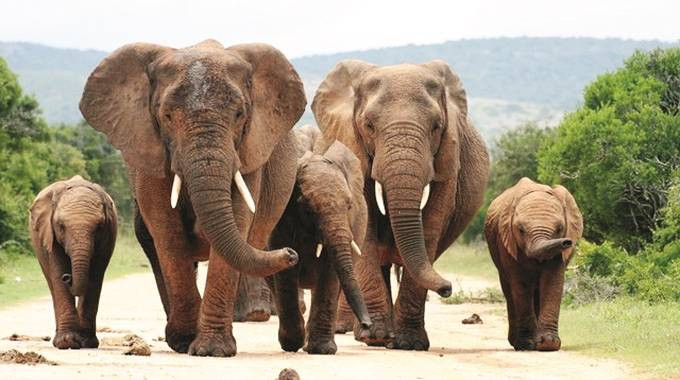
VILLAGERS in Binga’s ward 1 are living in fear of wild animal attacks, particularly from elephants and crocodiles, which are increasingly roaming into human settlements and restricting
people’s movement, especially at night.
The escalating human-wildlife conflict in the area highlights the growing pressure on surrounding communities emanating from conservation areas, as elephants and crocodiles encroach onto settlements, causing deaths, injuries and widespread destruction of property amid worsening drought and weak wildlife containment measures.
In the district, high-risk areas are adjacent to Chizarira National Park, Chete Safari Area and various forestry areas.
In an interview with Southern Eye yesterday, ward 1 councillor Minister Mupande said the area was infested with wild animals due to its proximity to a conservancy area.
“Last week three elephants broke loose at night and destroyed granaries belonging to two villagers in search of harvested maize stored in Sinamusanga village,” he said.
Mupande said the elephants later disappeared and rangers from the Zimbabwe Parks and Wildlife Management Authority failed to track them.
“This is not the first time this has happened. Four days before the latest incident, a villager was killed by an elephant, prompting rangers to shoot and kill the suspected animal,” he said.
- ‘Tourism on the rebound’
- MPs urge Chiwenga to probe corruption, abuses at hospitals
- Baobab tree faces extinction
- Lifeline for Gonarezhou smallholder farmers
Keep Reading
Mupande also revealed that another villager was attacked by a crocodile and is nursing injuries at Mpilo Central Hospital in Bulawayo.
He said the situation was being worsened by lack of a perimeter fence on the nearby conservancy, making it difficult to control wildlife movement.
“We have to secure our homes, and there is nowhere else we can go. We, the BaTonga people, were relocated here in 1955 from the Zambezi Valley riverbanks to pave way for the construction of Kariba Dam,” Mupande said.
“There is no other place we can go. We will engage council for mitigation measures since the conservancy is run in partnership with the local authority.”
Villager, Chilumo Mudenda, expressed concern over the increasing cases of human-wildlife conflict in the ward, adding that urgent action was needed from responsible authorities to prevent further loss of life.
Matabeleland North police spokesperson Inspector Glory Banda said investigations were underway.
In Zimbabwe, human-wildlife conflict has become a critical safety and livelihood challenge, driven by rising elephant and crocodile populations, climate-induced water shortages and shrinking habitats.
Human-wildlife conflict is driven by habitat loss, growing human populations and climate change and has become a global crisis causing more than 100 000 human deaths annually and retaliatory killing of animals.
In Zimbabwe, more than 2 000 cases are reported annually, resulting in significant human fatalities and destruction of crops and livestock.
Elephants are responsible for most crop destruction and human fatalities (60 deaths in early 2026), while crocodiles and hyenas pose a risk to people near water bodies and livestock.
The conflicts are further driven by El Niño-induced droughts, which force wildlife such as elephants, baboons and buffaloes into communities in search of food and water, leading to increased attacks on crops, livestock and homes.