ZIMBABWE’S health system continues to operate amid significant socioeconomic challenges, including constrained public financing, workforce shortages, service delivery inequities and rising disease burdens.
Despite these pressures, the system demonstrates resilience and pockets of measurable progress.
A structured analysis using the WHO Health Systems Building Blocks framework — Service Delivery, Health Workforce, Health Information Systems, Access to Essential Medicines and Technologies, Health Financing, and Leadership & Governance — reveals both strengths and persistent systemic weaknesses.
While incremental gains have been made in selected areas, systemic reform remains necessary to achieve equitable and sustainable universal health coverage.
Service delivery
Zimbabwe’s health system is anchored in a tiered primary health care approach, with clinics, rural hospitals, district hospitals, provincial hospitals, and central referral hospitals forming the backbone of national service delivery.
Mission and private facilities complement public services, particularly in rural and peri-urban settings.
This structure is designed to ensure progressive referral and comprehensive coverage across the country.
- Mavhunga puts DeMbare into Chibuku quarterfinals
- ‘Zec refuses to release voters roll’…Mangwana, Silaigwana evasive
- Bulls to charge into Zimbabwe gold stocks
- Ndiraya concerned as goals dry up
Keep Reading
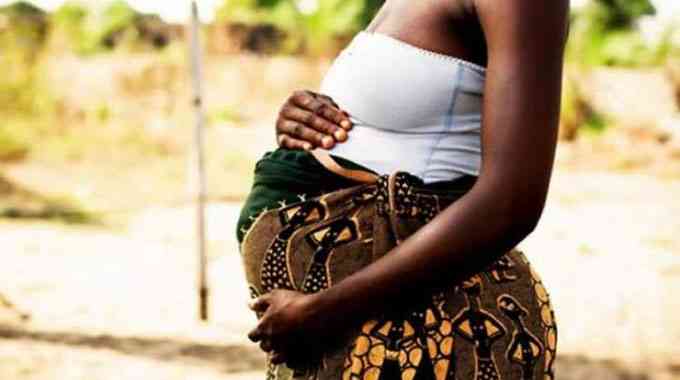
According to the Zimbabwe Demographic and Health Survey (ZDHS) 2023–24, the maternal mortality ratio stands at 212 deaths per 100 000 live births.
The infant mortality rate is estimated at 38-41 deaths per 1 000 live births, while the under-five mortality rate is 69 deaths per 1 000 live births.
Whilst these figures demonstrate progress compared with earlier crisis periods, they remain above global targets and still remain a cause for concern.
Service delivery gaps are particularly evident in emergency obstetric and neonatal care.
Although more women now deliver in health facilities compared to previous years, the quality of intrapartum monitoring and timely surgical intervention varies significantly across districts.
Weak referral systems, transport limitations, and inadequate ambulance coverage delay emergency response, particularly in rural provinces.
Infrastructure constraints continue to undermine effective care delivery.
Many primary facilities lack reliable electricity and water supply, functional diagnostic equipment and essential medicines.
District hospitals often operate without functional basic X-ray services or comprehensive laboratory testing.
Even major tertiary hospitals, including Mpilo Central Hospital, United Bulawayo Hospitals and Sally Mugabe Central Hospital, do not have operational MRI or CT scanners, severely restricting advanced diagnostic capacity.
At the same time, selected programme areas demonstrate that improvement is possible when financing and coordination align.
HIV services are widely integrated into primary care, immunisation programmes remain relatively stable, and maternal health outreach services have expanded coverage in several districts.
Health workforce
Zimbabwe faces chronic shortages of doctors, nurses, midwives, pharmacists, laboratory scientists and allied health professionals.
Although specialist training has improved in recent years through expanded postgraduate programmes, most qualified specialists remain concentrated in major cities, creating geographic inequities in access to advanced care.
Rural facilities often operate with limited staffing and heavy reliance on nurses and mid-level cadres.
Migration of health professionals to other countries further reduces system capacity.
Economic instability, salary erosion, and limited access to equipment contribute to outward migration trends.
Task-shifting and community health worker programmes have helped sustain services in priority areas such as HIV and maternal health.
However, workforce distribution and retention remain critical challenges.
Without structured rural incentives and improved working conditions, disparities in service provision will persist.
Health information systems
Zimbabwe utilises digital platforms such as DHIS2 for routine health data reporting, alongside vertical programme reporting systems for HIV, TB, and maternal health.
The ZDHS 2023–24 has strengthened national-level health statistics and improved the evidence base for policy decisions.
While digitalisation has enhanced central monitoring capacity, inconsistencies in reporting quality, delayed submissions, and limited sub-national data utilisation reduce system responsiveness.
Strengthening mortality surveillance, cause-of-death reporting, and district-level analytical capacity remains essential.
Access to essential medicines and technologies
Access to essential medicines remains inconsistent, particularly at primary and district levels.
Stockouts of antibiotics, maternal supplies and chronic disease medications are frequent.
Patients are often required to purchase medicines privately, increasing out-of-pocket expenditure.
Supply chain inefficiencies, procurement delays, and currency volatility contribute to shortages.
While HIV commodity supply chains are relatively stable, broader diagnostic capacity remains constrained.
Many district hospitals lack functional X-ray machines and reliable laboratory testing.
The absence of MRI and CT scanners at major referral hospitals significantly limits advanced diagnostic and cancer management services.
Health financing
Zimbabwe’s health financing structure includes public allocations, donor funding, and domestic health-targeted taxes.
The Aids Levy, a 3% tax on income, supports HIV programmes and together with donor support has contributed to Zimbabwe achieving the 95-95-95 HIV targets.
Additional revenue streams include the sugar tax, fast food tax, and a health levy on airtime and mobile data usage.
Government records submitted in legal proceedings indicate that over US$30,8 million was collected from the sugar tax within seven months of implementation.
Despite this, and additional revenue collected thereafter, no cancer treatment machines have been installed in public hospitals to date, raising concerns about delayed disbursement and weak ring-fencing of funds.
Health revenues are not consistently protected from reallocation, and funds do not always reach the Ministry of Health in a timely manner.
Procurement irregularities and corruption risks further weaken financial efficiency and undermine public trust.
High out-of-pocket expenditure continues to expose households to financial hardship.
Leadership and governance
The Health and Child Care ministry provides overall stewardship through national health strategies and policy frameworks aligned with universal health coverage principles.
While policy direction is clear, implementation capacity at decentralised levels remains uneven.
Governance weaknesses, including procurement inefficiencies, limited transparency in revenue utilisation and delayed fiscal disbursements, negatively impact service delivery outcomes.
Strengthening accountability mechanisms and financial oversight is essential to restore public confidence and improve system performance.
Policy recommendations
Establish transparent ring-fencing and timely disbursement of revenues from health-targeted taxes to ensure funds reach the Ministry of Health as intended;
Strengthen anti-corruption and procurement oversight mechanisms within the health sector;
Prioritise acquisition and equitable deployment of CT and MRI scanners to tertiary hospitals and ensure functional X-ray and laboratory services at district hospitals;
Develop workforce retention incentives for rural and underserved areas linked to specialist training programmes;
Increase domestic public financing for primary health care and explore national health insurance mechanisms;
Invest in health information system strengthening to improve data quality and utilisation;
Expand community-based service delivery models to improve rural and vulnerable population access; and,
Adopt multisectoral strategies addressing social determinants of health such as poverty, transport and nutrition.
The Zimbabwe Association of Doctors for Human Rights is a membership-based non-governmental organisation based in Harare established in 2002 to promote, defend and uphold the right to health and human rights within the medical sector. It equips health professionals to assist victims of organised violence and advocates for quality healthcare access.