FORTY-ONE-YEAR-OLD Dzamisai Chipepera wakes up each morning in ward 6, Cowdray Park, a high-density suburb in Bulawayo Metropolitan Province, already burdened by the weight of caring for her seriously ill husband.
While the rest of the neighbourhood begins its daily routine, Chipepera’s focus turns immediately to the difficult responsibility awaiting her in her small home. For months, her life has been defined by a quiet but exhausting struggle to care for her husband, whose condition has deteriorated to a point where he no longer walks.
Their home had become a place of worry and helplessness as her husband's health continued to deteriorate.
In many parts of Bulawayo, managing a serious medical condition is not only about fighting illness, it is also about navigating an expensive healthcare system. For Chipepera, the biggest barrier to treatment was not unavailability of medical care, but distance and cost.
When someone becomes critically ill in Cowdray Park, the main option for specialised care are public health referral facilities such as Mpilo Central Hospital or costly private hospitals.
However, for Chipepera, reaching Mpilo Central Hospital proved to be an uphill task. Her husband could no longer stand or walk, making public transport such as minibuses umtshova out of the question.
“The only option was to hire a private car or taxi that could carry him comfortably from our doorstep to hospital,” she said.
For a family living on the edge of survival, a return trip was unaffordable. Transport costs meant sacrificing essentials such as food, rent or other basic needs.
- MPs urge Chiwenga to probe corruption, abuses at hospitals
- Mpilo doctors’ quarters rehab complete
- Crocodile attack victim recounts horror encounter
- Mpilo turns away cancer patients
Keep Reading
As a result, her husband remained at home, his condition worsening simply because they could not afford transport.
“We tried using inDrive, but the moment they see my husband is sick and cannot walk, they increase the price, citing the risks associated with transporting someone who is seriously ill. They told us to hire an ambulance instead,” she said.
A turning point came when a concerned neighbour noticed her distress and told her about a mobile clinic operating in the area, Zimbos Abantu Healthcare on Wheels.
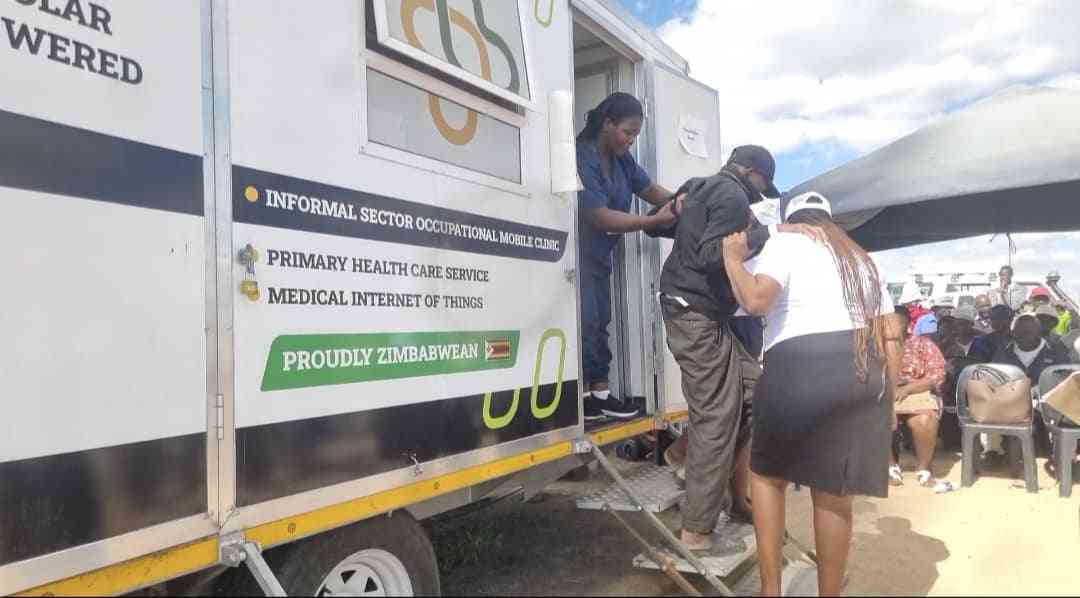
The initiative was designed to address precisely that kind of challenge, bringing medical services to communities to improve access for vulnerable groups, particularly women and children across Bulawayo. The programme is being supported by the National Aids Council Zimbabwe (NAC).
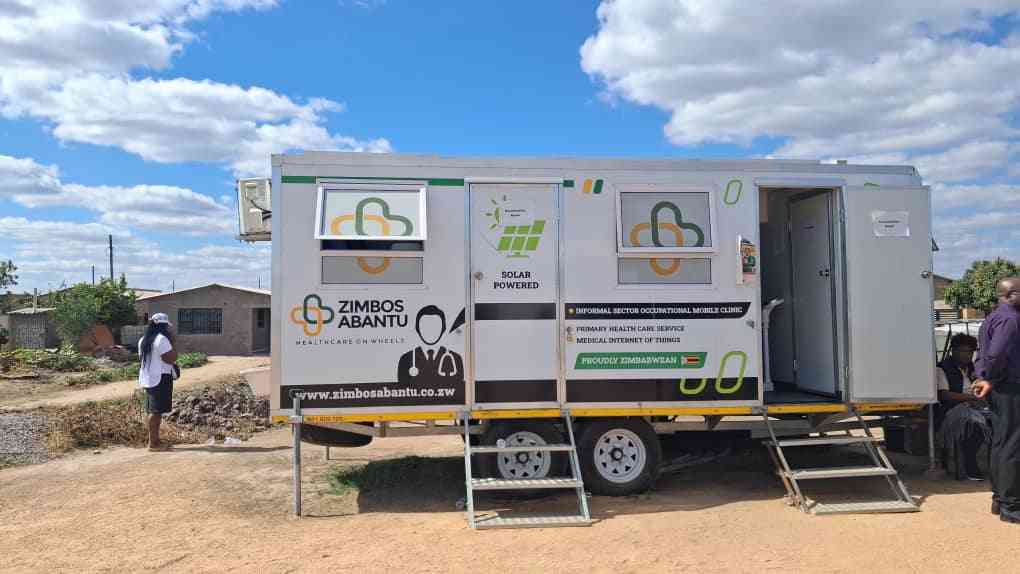
Acting on the advice, Chipepera visited the mobile clinic when it next arrived in ward 6, a decision she says changed her husband’s condition significantly.
“When I came here with my husband, I couldn’t believe what I witnessed. The nurses quickly assisted me to take him inside the mobile clinic. We saw a doctor free of charge on that first visit.
“I was given a prescription for medication that was not available over the counter. Since then, I have been coming to the mobile clinic regularly and my husband has improved,” she said.
Other residents echoed similar experiences.
Phakamile Ngwenya said the introduction of the mobile clinic transformed access to healthcare in the community.
“Ever since this mobile clinic was introduced, our lives have changed,” he said.
“The biggest blessing is that we now access free doctor consultations. Before, seeing a doctor meant paying consultation fees we simply could not afford.
“Now, a doctor examines patients here, listens to our concerns, and gives professional advice without asking for a single cent.”
Beyond consultation, the mobile clinic offers a range of services including screening, check-ups and medication provision.
Zimbos Abantu Healthcare on Wheels chief executive Tawanda Mushawedu said the initiative operated 12 mobile clinics and focused on delivering primary healthcare to underserved communities.
“We started in 2021 and now we have 12 mobile clinics where people can access healthcare services. We provide primary healthcare through mobile units,” he said.
“The issue of accessibility informed our intervention. Many people are underserved and live far from the nearest health facilities.
“We are also concerned about affordability. We work with professional doctors and nurses and the programme is supported by NAC through the Aids levy.”
He added that the partnership with NAC enabled integrated health services, including chronic disease management, nutrition support and general wellness care.
NAC has intensified HIV prevention and community health programmes using domestic funding sources such as the Aids Levy, particularly as some international partners cut support.
NAC Bulawayo provincial manager Sinatra Nyathi confirmed that despite the withdrawal of some foreign aid, essential health programmes will continue through domestic financing and remaining partnerships.