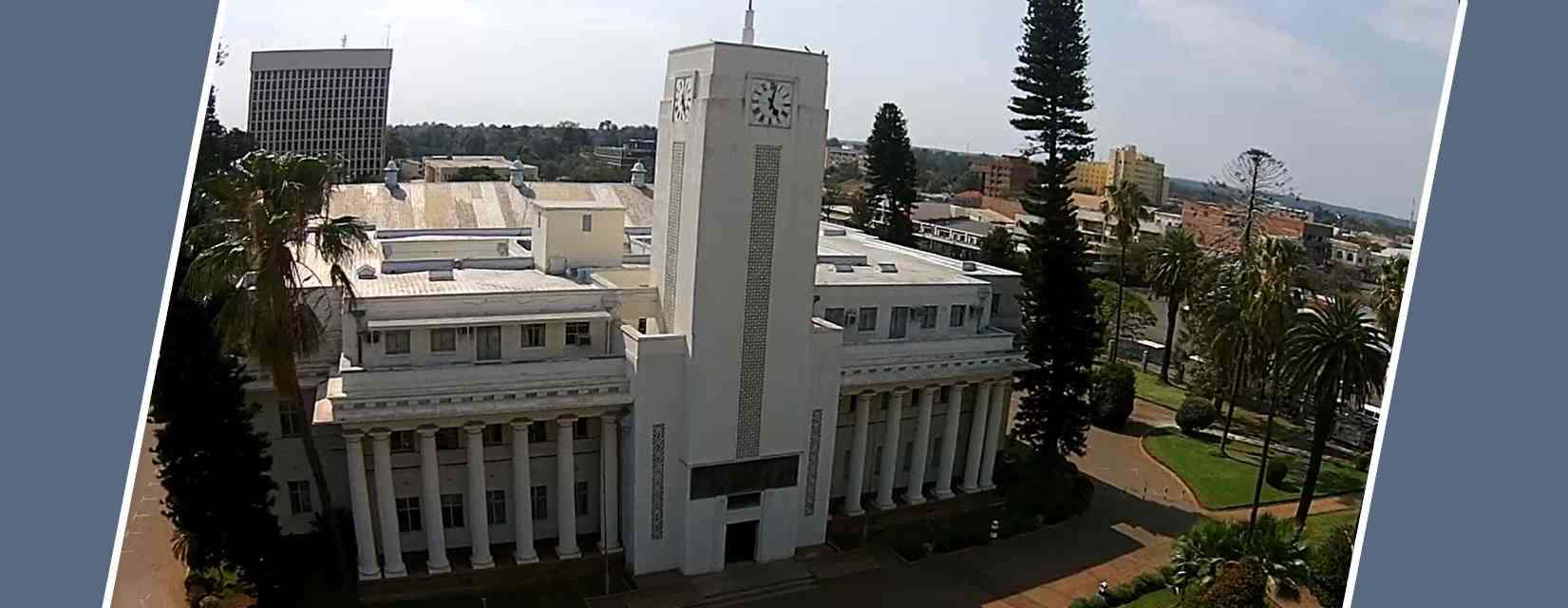
The Bulawayo City Council (BCC) is exploring wastewater recycling as a sustainable response to the city’s worsening water shortage, with a pre-feasibility and public-private partnership study underway.
The move signals a shift towards alternative water sources as Bulawayo battles a worsening supply crisis driven by drought, failing infrastructure and human activity, with authorities increasingly under pressure to find durable, long-term solutions.
The initiative, supported by Vitens Evides International and PUM Netherlands, was revealed during a recent stakeholder indaba held under the WaterWorX Programme. The study focuses on assessing the viability of recycling effluent — a move city authorities see as critical to building long-term water resilience.
For years, Bulawayo has grappled with a severe and persistent water crisis. As of January, some of the city’s supply dams had not risen above 30% of capacity, forcing authorities to come up with a 72-hour water-shedding schedule.
The situation has left many residents, particularly in high-density suburbs, reliant on solar-powered boreholes — a solution that is often unreliable and insufficient to meet demand.
Major supply dams such as Umzingwane and Lower Ncema remain at critically low levels, compounding the crisis and intensifying rationing measures.
Council officials say the challenge is driven by climate-induced droughts, ageing pipeline infrastructure and limited treatment capacity, which hinder efficient water delivery. Illegal gold mining activities have also been blamed for diverting water from key river systems and causing siltation in dams, reducing their storage efficiency.
Town clerk Christopher Dube said the city was working with international partners to develop sustainable solutions.
- Uproar over census figures
- Byo Arts Festival in turmoil…One year later, festival has yet to pay artists…Organisers play cat and mouse with artists
- Bulawayo struggles to clear housing backlog
- Fresh row over city parking fees
Keep Reading
“We are working with Vitens Evides International on wastewater and financial management, to safeguard the environment and promote sustainable practices,” he said.
Mayor David Coltart stressed the urgency of addressing water access challenges that have plagued the
city for decades.
“These pressures have strained Bulawayo’s sewer system and overall water infrastructure,” he said, adding that illegal mining along riverbanks was accelerating dam siltation.
“Damaged tributaries are feeding major rivers, leading some dams to fail in collecting water compared to others in the same catchment area,”
Coltart said.
Representatives from PUM Netherlands underscored the importance of properly identifying waste types to ensure effective purification and safe reuse.
BCC principal water strategist Clout Moyo noted that industries — particularly garages — often fail to adequately treat effluent, releasing poorly filtered sludge into the system.
Meanwhile, Stephen Ncube of the Confederation of Zimbabwe Industries argues that existing effluent discharge standards are difficult to meet, partly due to weak enforcement
across supply chains.
Looking ahead, the city is implementing short-term relief measures such as water trucking to the hardest-hit areas, while pursuing medium- to long-term solutions. These include the proposed Glassblock Bopoma Dam project and the long-debated Matabeleland Zambezi Water Project, both seen as critical to securing Bulawayo’s future water supply.
The wastewater recycling initiative represents a potentially transformative step — one that can redefine how the city manages its most scarce and essential resource.