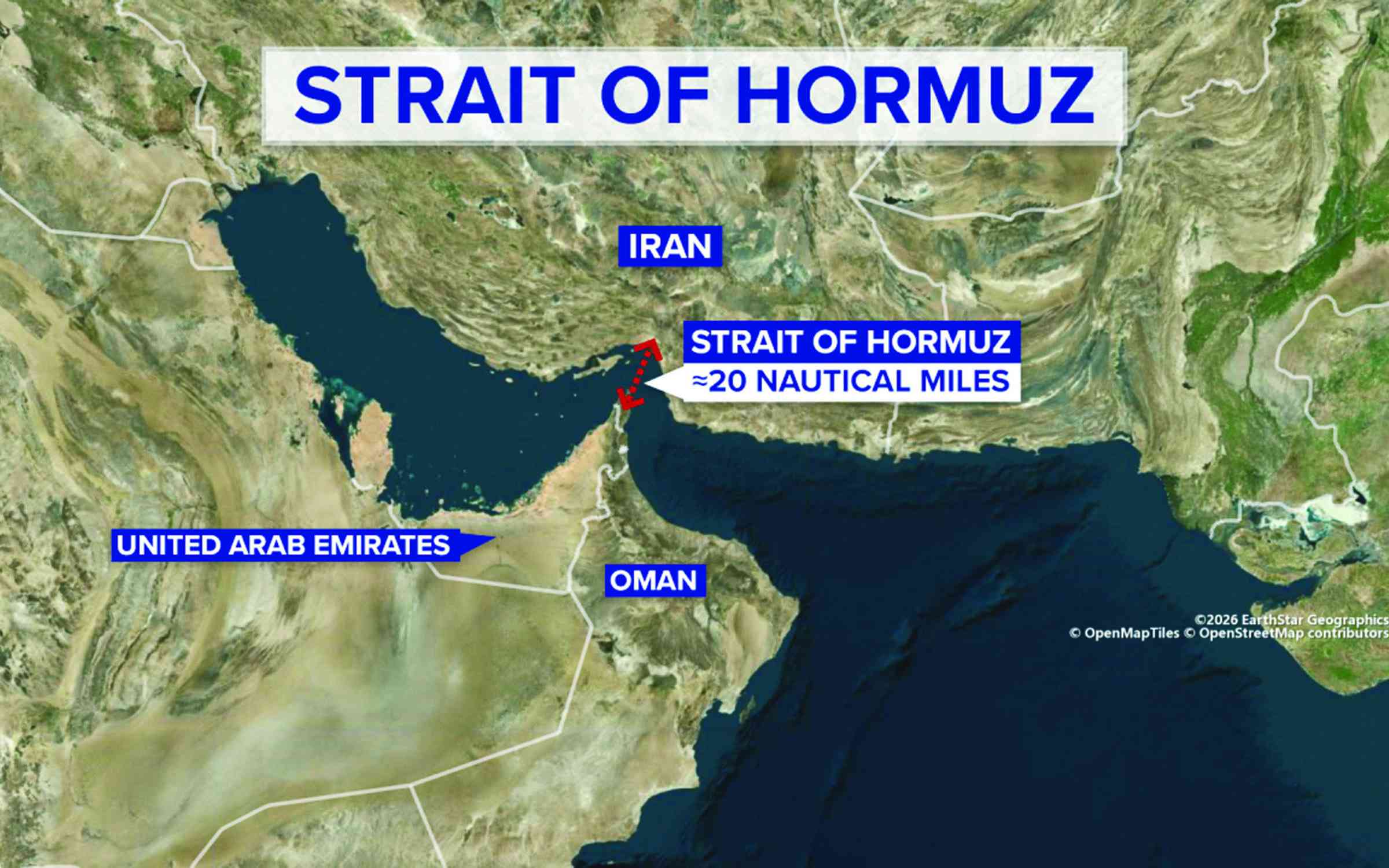
AS the United States and Israel intensify a coordinated military campaign against Iran, the reverberations are being felt far beyond the Middle East. In Zimbabwe, a nation already wrestling with hyperinflation, a new chapter is unfolding following the introduction of new Zimbabwe Gold banknotes in April.
Analysts say the war’s impact on oil prices, remittance flows, and regional trade could either exacerbate the country’s inflation spiral or, paradoxically, give the freshly-printed currency a chance to stabilise a fragile economy.
The US–Israel offensive, launched after a series of Iranian missile strikes on Israeli territory, has already led to a 12 % jump in global crude oil prices, according to the International Energy Agency. While the price surge is modest compared to the 1970s oil crisis, its timing collides with a precarious moment for many developing economies that rely heavily on oil‑import bills and foreign currency inflows.
Zimbabwe receives roughly US$1,4 billion in remittances each year, primarily from its diaspora in South Africa, the United Kingdom and the United States. The war has prompted a short‑term dip in the value of the US dollar against a basket of African currencies, making it more expensive for Zimbabweans abroad to send money home.
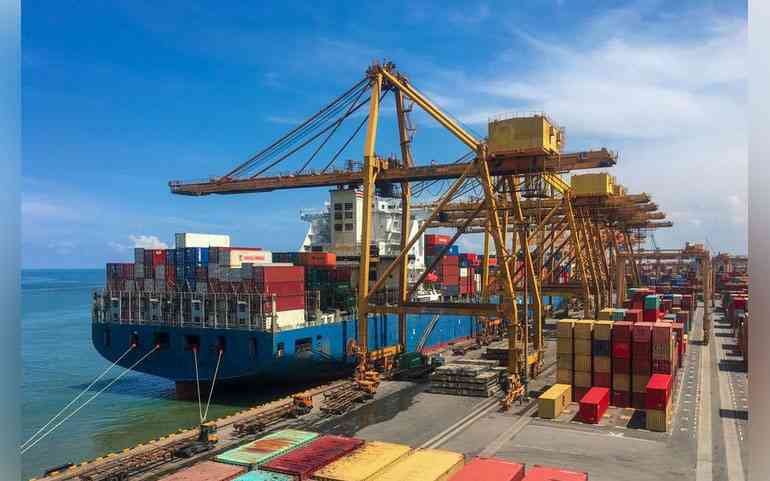
The war has forced several shipping routes in the Gulf of Oman and the Red Sea to be rerouted, adding an estimated US$150 million in additional freight costs for Southern African exporters. For Zimbabwe’s already thin export basket, largely tobacco, gold and other minerals, this translates into lower foreign‑exchange earnings.
Global risk‑off sentiment has prompted a pull‑back of foreign direct investment (FDI) across the continent. The World Bank’s latest “Africa Economic Outlook” notes a 3% contraction in projected FDI flows for 2026, citing heightened geopolitical uncertainty.
Zimbabwe’s fight against inflation is not new. After the 2008 hyperinflation episode that saw prices rise at an annual rate of 79,6 billion percent, the government introduced the RTGS dollar in 2019, only to abandon it in 2020 in favour of a multi‑currency regime dominated by the US dollar and South African rand.
The drivers are familiar fiscal deficits financed by money creation, supply‑chain bottlenecks, and a volatile exchange rate. However, the recent oil price shock adds a new, potent fuel to the fire.
- Village Rhapsody: How Zimbabwe can improve governance
- Defaulting Zim in bid to pacify Paris Club . . .US$420.4m black hole exposed
- Fidelity loans, IMF windfall to give Zim mines a big lift
- I am not scared: AfDb chief shrugs off Africa food crisis
Keep Reading
With crude oil now trading above $100 per barrel, the cost of diesel used for transportation and electricity generation has risen sharply. Transport costs on the Beira–Lobito corridor, a key conduit for Zimbabwean imports, have increased by roughly 8 % since the conflict escalated.
A United Nations World Food Programme report released last week warned that higher fuel costs could push staple food prices up another 12 % by the end of the year, deepening food‑insecurity concerns for an estimated 2,4 million Zimbabweans.
In a bid to restore confidence in the ZWL, the Reserve Bank of Zimbabwe announced in December 2023 that a new series of ZiG banknotes will be issued on April 15, 2026. The name is a nod to the “ZiG+” electronic payment platform that the RBZ has been promoting since 2022 to accelerate cashless transactions.
How the war could influence Zig
If the war triggers a sharp depreciation of the US dollar against the ZiG, an outcome some analysts see as plausible given the dollar’s recent volatility, Zimbabwe could use the ZiG launch to recalibrate the exchange rate, anchoring it at a more realistic level and curbing runaway price increases.
The conflict has spurred many African governments to fast‑track digital‑payment initiatives as a hedge against cross‑border disruptions. Zimbabwe’s ZiG integration with mobile money could widen financial inclusion, especially in rural areas where cash remains king.
Higher import costs and a dip in remittances could strain the RBZ’s foreign‑exchange reserves, limiting its ability to back the new notes. A shortage of ZiG notes in circulation could fuel a black‑market premium, as seen in past cash‑shortage episodes.
Past currency reforms have left Zimbabweans wary. If the war intensifies and the cost of living skyrockets, the public may view the ZiG notes as a superficial fix, leading to hoarding of foreign currency and a resurgence of parallel exchange markets.
Regional comparisons
South Africa: The rand has weakened by 4% against the dollar since the war began, pushing South African inflation to 7,2% in February 2026.
The country’s robust fiscal position and deep financial markets have mitigated a full‑scale crisis, but the ripple effects are evident in higher import bills for fuel and food.
Zambia: With a debt‑to‑GDP ratio of 96%, Zambia’s economy is highly sensitive to external shocks. The Zambian kwacha has depreciated by 9% in the past three months, and the International Monetary Fund (IMF) warned in its latest Article IV consultation that inflation could breach the 30% mark by year‑end.
Democratic Republic of Congo (DRC): The DRC’s reliance on mineral exports to Europe and China makes it vulnerable to freight‑cost spikes. The Congolese franc has held relatively steady thanks to foreign‑exchange inflows from mining royalties, but inflation has edged up to 12% in February 2026.
Zimbabwe’s inflation trajectory, however, remains the most acute, underscoring the importance of domestic policy levers particularly currency reform.
In a staff‑level report released on February 23, the IMF cautioned that “continued geopolitical turbulence could derail Zimbabwe’s already precarious macro‑economic stabilisation plan. The upcoming ZiG series presents an opportunity, but only if accompanied by disciplined fiscal policy and credible exchange‑rate management”.
The World Bank’s Country Partnership Framework for Zimbabwe (2025‑2029) earmarks US$750 million for financial‑sector strengthening, with a focus on “digital payment ecosystems” that dovetail with the ZiG initiative.
Success will hinge on the Reserve Bank’s ability to manage liquidity, enforce the new notes’ security features, and, crucially, coordinate with fiscal authorities to restrain deficit‑driven money printing. International partners, from the IMF to the World Bank, appear ready to back a digital‑currency‑centric strategy, but the ultimate test will be the everyday Zimbabwean’s confidence in holding a ZiG note in his or her pocket.
If the war’s shockwaves subside and the new currency gains traction, Zimbabwe might yet turn a geopolitical crisis into a catalyst for monetary stability an outcome that would reverberate far beyond Harare’s borders and offer a compelling case study of resilience in the face of global turbulence.
Nyawo is a development practitioner, writer and public speaker. These New Perspectivesare published in the Zimbabwe Independent and coordinated by Lovemore Kadenge, an independent consultant, managing consultant of Zawale Consultants (Private) Limited, past president of the Zimbabwe Economics society (ZES) and past president of the Chartered Governance & Accountancy Institute in Zimbabwe (CGAIZ). [email protected] or Mobile No. 263 772 382 852