
A FEW weeks ago, we warned in this space about the looming catastrophe a nurses’ strike would unleash. That warning was ignored. Today, the consequences are here.
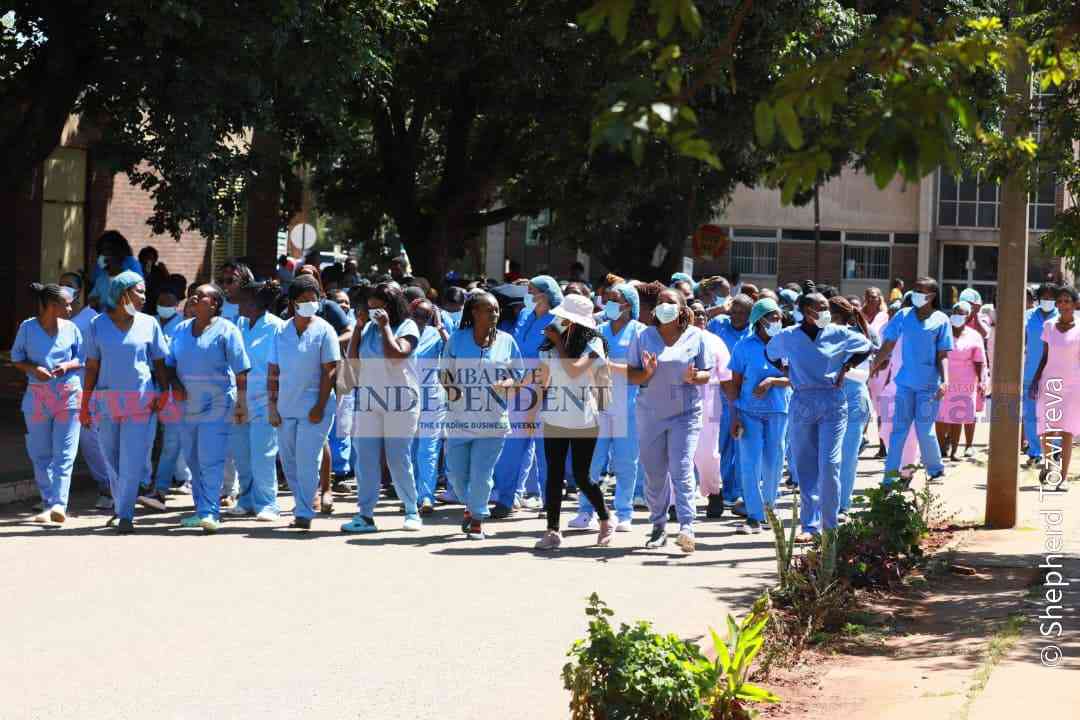
Nurses — the backbone of Zimbabwe’s healthcare system, especially at primary level — returned to work on Wednesday, after downing tools briefly in a move that plunged an already fragile public sector into crisis. The return was prompted by the need to adhere to laws.
Reports indicate that nurses at major referral institutions — Parirenyatwa Group of Hospitals, Sally Mugabe Central Hospital in Harare, as well as Mpilo Central Hospital and United Bulawayo Hospitals — had walked out, severely disrupting critical services.
This crisis is not accidental. It is the product of government inaction and a troubling reluctance to engage meaningfully with workers’ concerns. The Health Services Commission had time to act. It did not.
Officials cannot continue to speak of “improving economic fortunes” while presiding over wages that workers themselves describe as insulting. Labour minister Edgar Moyo’s recent claims about salary reviews look like calculated moves to delay job action.
The trigger was a paltry US$30 April salary — a figure that exposes the widening gulf between policy rhetoric and lived reality. For nurses grappling with rising costs of living, this was simply untenable.
Dialogue should have come earlier and with urgency. Instead, it was delayed until trust had eroded and positions hardened. The chaos now unfolding was entirely avoidable.
- Manatsa widow burial tomorrow
- Parirenyatwa in fresh negligence storm
- Minor electrocuted at agric show
- Opinion: Corruption a threat to viability of health systems
Keep Reading
There is also a growing risk of contagion. Other civil servants, long frustrated by deteriorating conditions, are watching closely. Government intransigence has a way of breeding wider unrest.
On Monday, Health minister Douglas Mombeshora appealed to nurses to return to work, promising their concerns would be addressed “in a structured and responsible manner”.
But this is a familiar script — one that typically emerges after a crisis has already taken hold. It reflects a reactive posture that continues to undermine confidence in the authorities’ ability to manage essential services.
The grievances raised by nurses are real. They mirror the broader economic pressures facing Zimbabwe’s workforce: rising fuel and transport costs, escalating prices of goods and services, and wages that are failing to keep pace.
It is the poor who bear the brunt. Those without access to private healthcare are left exposed when public hospitals falter. This is no longer just a labour dispute but a public health emergency.
The impasse must be resolved urgently. More importantly, it must serve as a lesson that intransigence carries consequences.
Zimbabwe’s healthcare system cannot afford avoidable crises. And its nurses cannot continue to carry a system that refuses to meet them halfway.