
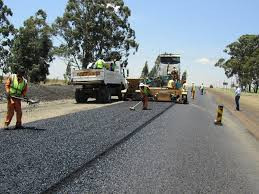
There is a growing and dangerous gap between what policymakers say about the economy and what industries are experiencing on the ground. As we report this week, while official pronouncements — particularly from the Ministry of Finance and the Reserve Bank of Zimbabwe — project the image of an economy on the mend, hard signals from construction sites and factory floors tell a far less comforting story. Industries are signalling that they are still deep in the woods, and that immediate and decisive action is imperative.
Testimony from the construction industry lays bare the predicament of a sector in quiet but persistent distress. It means despite the visibility of roads, dams and mining-related works, the industry is shaking beneath the surface.
We report in this edition that payment arrears are rotating rather than disappearing and value erosion is turning completed projects into loss-making ventures. Most critically, skilled engineers, project managers and artisans are leaving the country or abandoning the sector altogether. When an industry begins to lose its human capital, the damage extends far beyond the current cycle — it undermines the future.
Construction is not a fringe activity. It is a bellwether sector with deep linkages to manufacturing, banking, transport and employment. When contractors cannot rely on predictable payment terms, stable currency arrangements or enforceable contracts, the effects cascade across the economy. Equipment lies idle, suppliers go unpaid and banks are left holding distressed assets.
The surge in voluntary liquidations and judicial management cases reported by industry bodies should spur policymakers into action. They must not pretend to be surprised.
Equally troubling signals are emerging from manufacturing, where the Competition and Tariff Commission’s own investigations reveal the scale of industrial strain. An 815% surge in wooden door imports and a 98,6% collapse in after-tax profits are not marginal fluctuations. These are indicators that show a key segment of industry is under siege. When imports command more than half of a domestic market within two years, and local producers lose market share despite a long-standing presence, something is structurally wrong.

Authorities have correctly noted that some of these pressures are external. But it would be a serious error to use external shocks as an alibi for inaction. Zimbabwe’s vulnerabilities are being amplified by domestic policy choices, including inconsistent trade management, high production costs, prohibitively expensive credit, weak local content enforcement and delayed policy responses.
- Matobo, Bulilima under indefinite foot and mouth quarantine
- Deals signed during ZITF impressive: ZNCC
- Dangers of Arab Spring in SA
- Govt mulls creation of Smart cities
Keep Reading
The danger of glossing over these realities is two-fold. Delayed action raises the eventual cost of intervention. Skills, once lost, are difficult and expensive to replace. Factories, once shuttered, do not reopen easily. Persistent denial affects trust as investors, lenders and entrepreneurs do not respond to rhetoric. They respond to rules, cash flows and risk. We should warn the regime that if official optimism diverges too far from lived experience, credibility suffers.
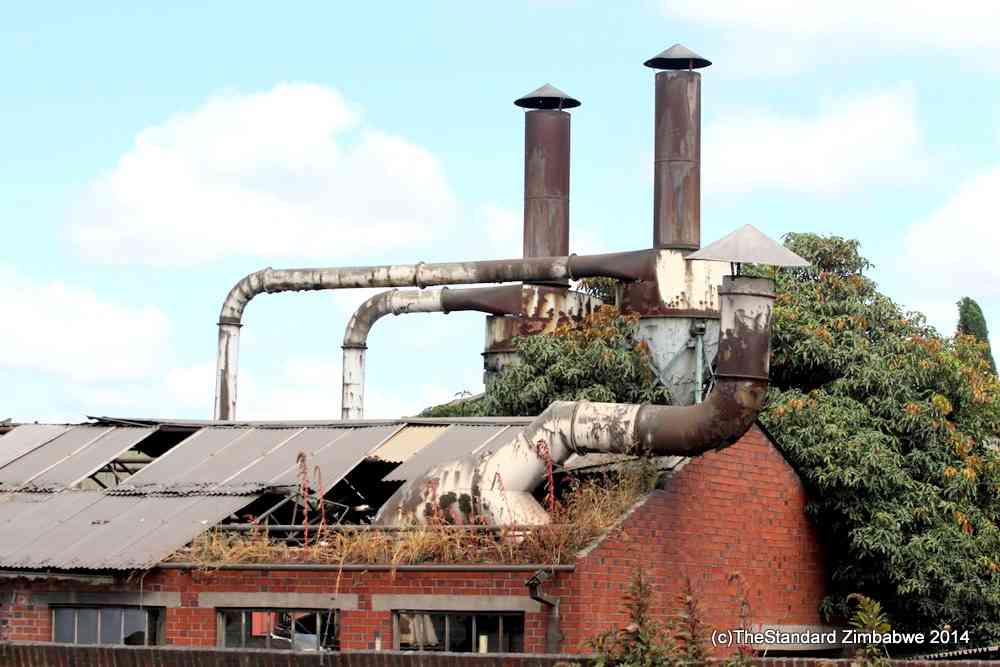
What is required now is not further diagnosis, but execution.
In construction, government must immediately reform public contracting practices. No tender should be issued without verified, ring-fenced funding. Payment certificates must be honoured in a currency mix that preserves value, not destroys it.
It must be put in black and white that accounting officers who contract services without secured funding should be held accountable. At the same time, long-term credit instruments, including US dollar-indexed mortgages and real estate investment vehicles, must be revived to address the housing backlog and unlock diaspora capital.
In manufacturing, trade defence tools must move from investigation to enforcement where injury is proven. Safeguard measures, time-bound tariffs and local procurement preferences should be applied decisively and transparently. These interventions must be accompanied by broader cost reforms, such as reliable energy supply, tax rationalisation and access to affordable finance. If this is done, protection does not become a substitute for competitiveness.
Across both sectors, local content enforcement is no longer optional. Allowing foreign firms to dominate technical execution while local companies are relegated to low margin subcontracting drains skills and value from the economy.
Clear, enforceable participation thresholds are essential if Zimbabwe is to build durable industrial capacity.