The extractive sector currently stands at a precarious juncture. Much like the futile cycle of Tom and Jerry, where the demise of the protagonist renders the narrative obsolete, the traditional extractives business model faces an existential threat. If Africa truly capitalises on its mineral wealth, the current exploitative paradigm is effectively over.
Africa’s trajectory toward its 2063 vision cannot be a zero-sum game of “my way or the highway”. Such dogmatism is a tactical error that leaves the continent vulnerable to the accelerating climate crisis. Currently, across jurisdictions from Zimbabwe to the Central African Republic and the Democratic Republic of Congo, we are trapped in a cycle of fragmentation, a “higgy-hagga” of geopolitical posturing and policy instability. Whether framed as the “resource curse”or the rigid preservation of the status quo, this polarisation serves no one.
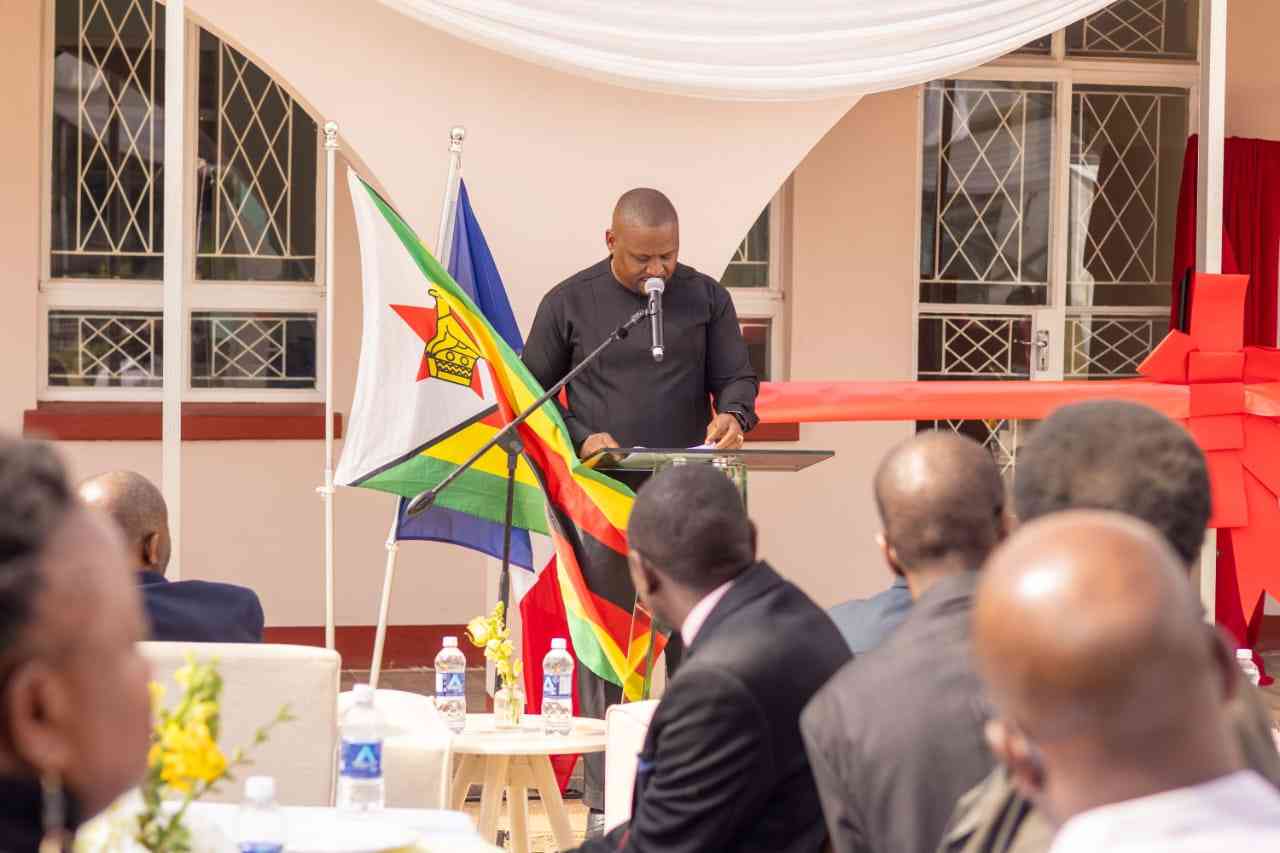
The reality is that the average African citizen remains sidelined by these ideological divisions. We cannot defeat a global climate crisis by demanding 100% philosophical synchronisation. As Aristotle suggested, wealth is a tool for utility. For our most vulnerable communities, the luxury of ideological purity is secondary to the necessity of inclusive victory. The Annual National People’s Conference on Critical Minerals and Just Mineral Transition 2026 clearly unpacked the plethora of challenges crippling the nation, and it is time we address them with systemic, rather than rhetorical, precision.
The primary crisis before us is the glaring paradox of Zimbabwe. The nation possesses a bounty of critical minerals essential to the global green transition, yet poverty levels have reached a critical threshold. We have become a nation of beggars sitting on a goldmine. Our wealth has failed to translate into the socio-economic infrastructure schools, hospitals, and resilient power grids required to lift our people out of desperation. This is a failure of policy, not of geology. The failure to leverage these assets for domestic development suggests that the current extractive model prioritises the speed of export over the stability of the domestic economy.
While the minerals underneath our feet remain silent, the reality is that the people above them have been similarly muted. We have watched as foreign companies speak for our land, wielding impenetrable geological data, world-class machinery, and an unfair advantage in international trade negotiations. When the narrative of a nation’s subterranean wealth is written exclusively by external entities, the resources cease to be a national asset and become an extractive enclave. These companies often operate as islands, disconnected from the local needs of the people, using their structural advantage to extract raw value while leaving the actual “value-add” in jurisdictions thousands of miles away.
The concept of a “Just Transition” must move beyond the safety of boardroom buzzwords. It demands a genuine commitment to social equity, ensuring that the global move toward green energy does not replicate the same colonial-era extraction patterns. A transition is about creating a circular economic loop where the extraction of a battery metal today funds the development of the clean energy grid of tomorrow right here in Africa.
Perhaps the most immediate hurdle is the legislative inertia gripping our sector. We are currently shackled by an archaic legal framework, primarily the Minerals Act of 1961. Attempting to manage a modern, high-tech, and globally integrated mining sector under legislation designed in the colonial era is akin to running 21st-century software on a manual typewriter.
This gap between the law and the reality of the 2026 global market creates loopholes for exploitation and discourages the kind of long-term, transparent investment the country needs. We must overhaul these laws to prioritise domestic processing, technological transfer, and a fair, non-negotiable share of dividends for the state and its citizens.
- Mavhunga puts DeMbare into Chibuku quarterfinals
- Bulls to charge into Zimbabwe gold stocks
- Ndiraya concerned as goals dry up
- Letters: How solar power is transforming African farms
Keep Reading
Finally, we must integrate a gender-just transition into the core of our development strategy. Mining has historically been a hyper-masculinised industry, yet women disproportionately bear the brunt of environmental degradation and the social fragmentation of mining communities. If our mineral revolution does not actively dismantle the structural barriers, be it land tenure rights, access to credit, or representation in boardroom decision-making to women’s participation, we are simply ignoring half of our intellectual and labour potential. A truly sustainable industry requires the perspective of those who are most invested in the long-term survival of their families and lands.
Across Africa, several nations have begun to dismantle the “resource curse” by shifting their economic strategies from raw material exportation to deliberate value-addition. Countries such as Botswana have long set the gold standard by leveraging diamond revenues to invest heavily in human capital, healthcare, and infrastructure, effectively turning subterranean assets into a diversified, knowledge-based economy.
Similarly, Morocco has transformed its phosphate dominance into a global competitive advantage by building integrated industrial ecosystems. Furthermore, Namibia has successfully integrated local content requirements, ensuring that mining operations contribute directly to local infrastructure and technical capacity building rather than operating as isolated enclaves
In West Africa, Ghana has implemented stringent local content requirements in its mining and petroleum sectors, mandating that foreign firms partner with local entities and utilise domestic services. This policy intervention has catalysed local entrepreneurship, ensuring a larger share of the value chain remains within national borders.
Meanwhile, the Democratic Republic of Congo is tentatively exploring regional battery-manufacturing partnerships, recognising that regional integration rather than isolated extraction is the key to commanding higher rents. Prioritising domestic refining and processing, these countries are moving away from the role of mere “commodity suppliers” to becoming active participants in global industrial supply chains.
These regional transitions demonstrate that wealth is not merely found in the earth. It is forged through the systemic integration of geological assets with domestic industrial policies, technological investment, and a fierce commitment to retaining value within the continent.
A sustainable green mineral revolution requires moving beyond extractive rhetoric toward systemic industrialisation: robust geological surveying, genuine value-addition, technological integration, and uncompromising environmental stewardship. Critics may label this perspective as the naivety of a newcomer, but it is precisely this fresh outlook that serves as the catalyst for structural change.
We must transition from being mere providers of raw materials to becoming the architects of the global energy transition. This is not about tearing down stakeholders, but about integrating interests to create a value chain that benefits the continent and the world alike. Fostering local processing hubs, investing in domestic technical human capital, and enforcing environmental compliance, we can ensure that the “resource curse” becomes a relic of the past. That is how we turn the promise of 2063 from a distant, paper-based dream into an operational, lived reality for every citizen.
Nyawo is a development practitioner ,writer and public speaker .These weekly articles are coordinated by Lovemore Kadenge ,an independent consultant ,managing consultant of Zawale consultants(private) Limited ,past president of the Zimbabwe Economics Society and Past president of the Chartered Governance and Accountancy institute in Zimbabwe .Email [email protected] or Mobile no 263772382852