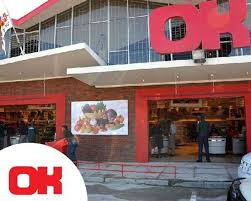
The Zimbabwe Stock Exchange (ZSE) on Thursday suspended trading in OK Zimbabwe Limited shares with “immediate effect”, hours after the retail giant’s directors voluntarily surrendered control, plunging the company into receivership.
Once a ZSE blue chip, OK Zimbabwe — battered by relentless headwinds and deep financial pressures — will now be handed to a corporate rescue practitioner.
The appointed expert will oversee operations, devise a recovery plan, and aim to restore the company’s viability. During this process, creditors and employees are protected from asset seizures or abrupt retrenchments, giving the business a structured chance to stabilise and pay debts, while continuing operations.
The move is unprecedented for one of Zimbabwe’s most iconic retail brands, highlighting the severity of the crisis at a company with strategic economic significance.
In its notice, the ZSE said it acted after receiving “material information indicating that the issuer (OK) has commenced corporate rescue proceedings”.
The exchange added that the halt is “intended to maintain an orderly, fair and transparent market to ensure all investors have equal access to material information”.
The ZSE also confirmed engagement with OK Zimbabwe on next steps. “The ZSE has agreed with OK Zimbabwe Limited that the issuer will make an application for voluntary suspension of trading of its securities on the ZSE,” the notice said. Upon receipt, the exchange will seek approval from the Securities and Exchange Commission of Zimbabwe. The suspension will remain in effect until a further announcement is issued or the halt is lifted. Investors were warned they “will not be able to buy or sell OK Zimbabwe Limited’s shares during the period the halt is in effect.”
The trading suspension follows a formal notice from the company’s legal practitioners, Wintertons, on Wednesday, confirming the commencement of corporate rescue proceedings under the Insolvency Act. OK Zimbabwe informed “all known affected persons” – including creditors, employees, trade unions and shareholders – that its board resolved on February 23, 2026, to voluntarily enter corporate rescue, appointing Bulisa Phillimon Mbano as the corporate rescue practitioner. The resolution and supporting documents were filed with the Master of the High Court and the Registrar of Companies on February 24, the effective start of the proceedings.
- EcoCash, OK Zimbabwe seal partnership
- OK Zim ignites Christmas is Here promotion
- Business giant Chiura laid to rest
- Currency woes: Suppliers demand cash upfront
Keep Reading
The decision comes amid a deepening liquidity crisis. Interim results for the half year ended September 30, 2025, revealed revenue had plunged 84% to US$28,26 million, while sales volumes fell 82,68%, culminating in a net loss of US$17,81 million. A recent survey by the Zimbabwe Independent found empty shelves, reduced product ranges, and slower till activity at outlets in Harare and Bulawayo, underlining strained supplier relationships and working capital pressures.
Entering corporate rescue signals management’s preference for a formal restructuring process, designed to stabilise operations and shield the business from creditor action while a recovery plan is developed.
Financial analysts cautioned that the path to recovery will be slow and capital intensive. Fincent Securities analyst Kudakwashe Taimo said the company’s problems were “deep-seated and largely balance sheet driven rather than purely operational,” adding that restoring liquidity is critical for rebuilding stock, normalising supplier terms, and regaining customer confidence.
Tafara Mtutu, senior analyst at Morgan & Co, highlighted that OK Zimbabwe’s challenges extend beyond funding constraints, citing structural shifts in the retail sector and strategic misalignment. “The retail sector has evolved in a way that disadvantages formal retailers operating in low income areas,” he said.
In recent years, several Zimbabwean companies across retail, mining, telecommunications, and manufacturing – including Truworths Zimbabwe, Metro Peech & Browne Wholesalers, Zimasco, Telecel Zimbabwe, and Khayah Cement Limited – have entered corporate rescue to protect themselves from creditor action while restructuring.
OK Zimbabwe’s entry into corporate rescue underscores the increasing pressures on formal retail operators in Zimbabwe’s evolving economic landscape. While the process offers a lifeline, analysts warn that revival will require sustained investment, strategic recalibration, and careful management to restore the brand’s once dominant market position.
Exactly a year ago, OK Zimbabwe Limited announced executive changes as part of a restructuring effort aimed at improving one of the country’s largest retail chains’ operational efficiency.
The company confirmed at the time the voluntary departure of chief executive officer Maxen Phillip Karombo, chief financial officer Phillimon Mushosho and supply chain director Knox Mupaya
Willard Zireva returned as CEO, having previously led the company in the same position from 2001 until his departure in 2017.
Alex Edgar Siyavora took over as chief financial officer, while Muzvidzwa Chingaira assumed the role of supply chain director.
“The board would like to acknowledge the outgoing executive team for their service through this challenging period, and to welcome back the team reposed with the remit to stabilise and turn the business around over the next six months whilst the company engages in the process to identify the executive replacements,” said OK.
But as it turned out, even the biggest brains in Zimbabwe’s retail landscape struggled to cope with the hefty gridlocks.
Ends//