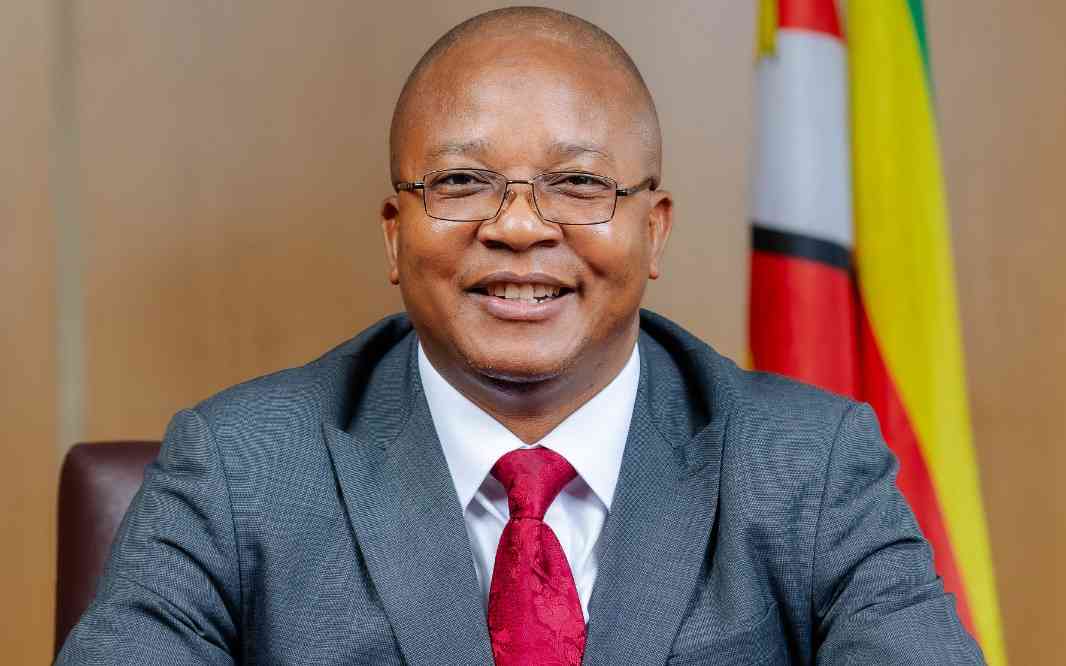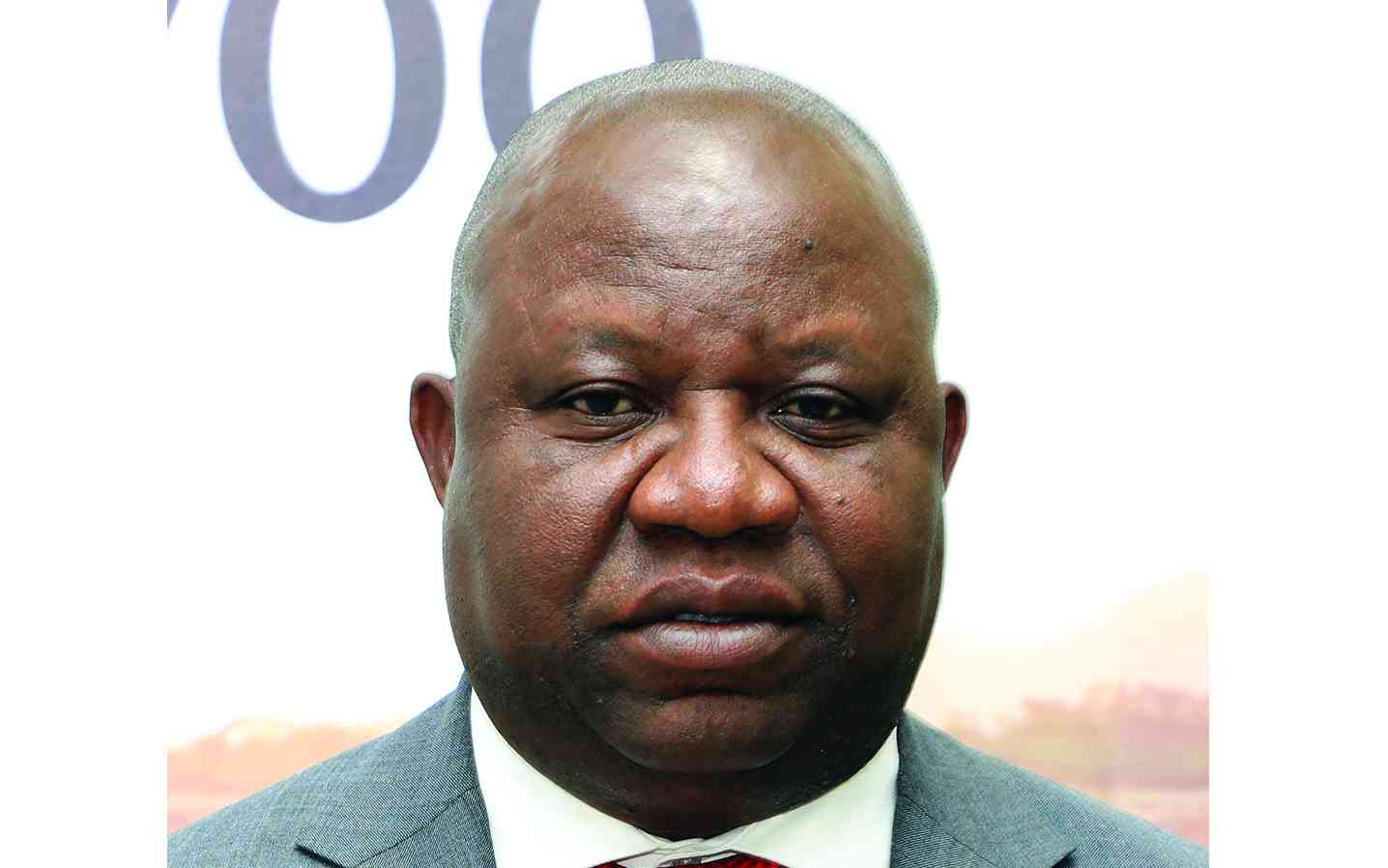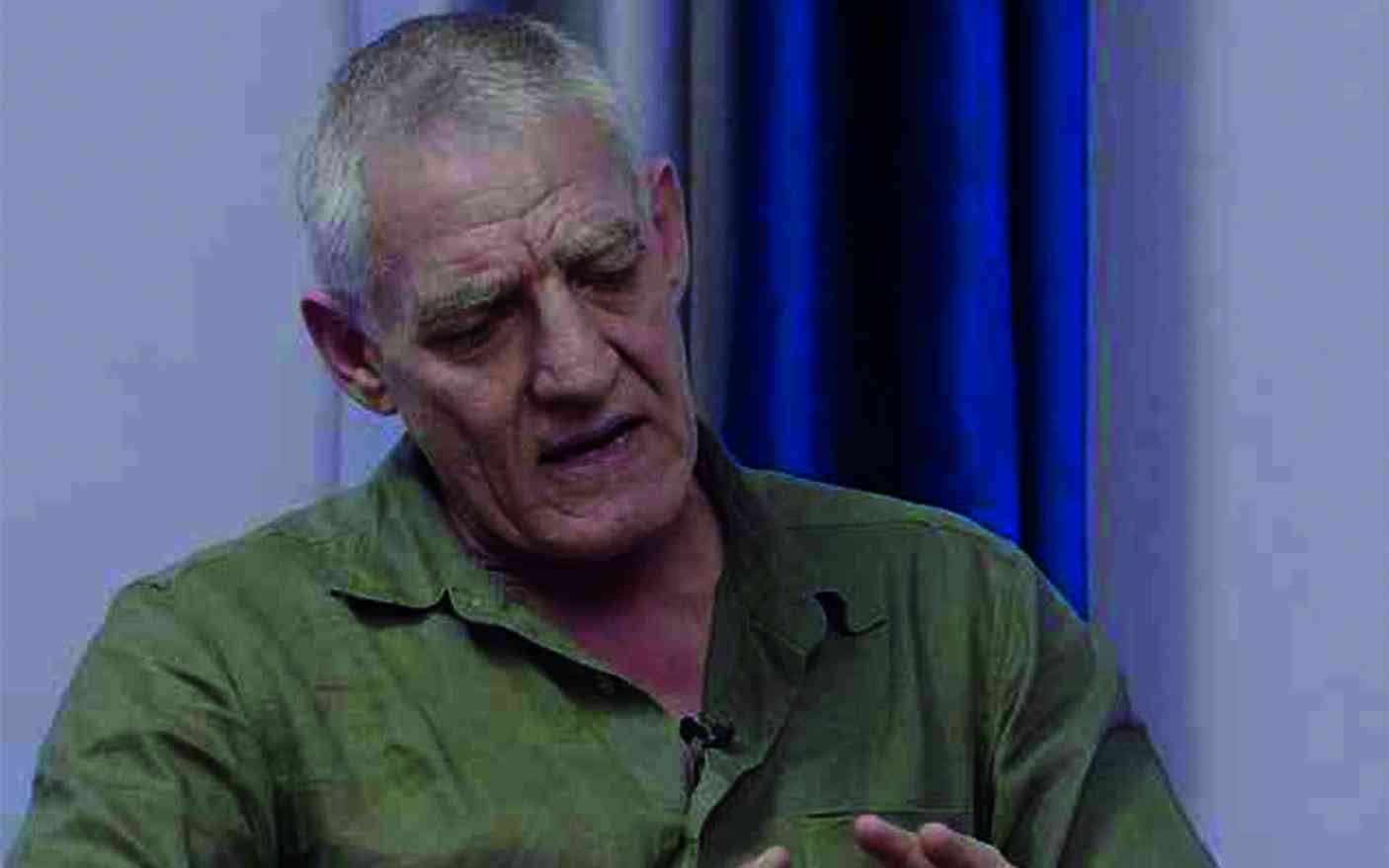
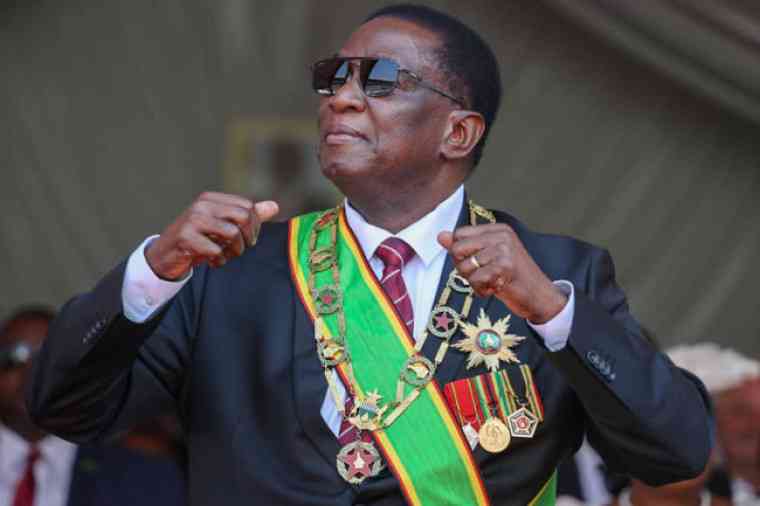
OPPOSITION politicians and human rights defenders say they are on high alert over Zanu PF’s latest constitutional amendment push, warning they will resist any attempt to extend President Emmerson Mnangagwa’s term without a referendum.
Cabinet on Tuesday adopted the principles of the Constitutional Amendment No. 3 Bill, 2026, a sweeping proposal that would reconfigure Zimbabwe’s governance architecture, including replacing direct presidential elections with a parliamentary vote and extending presidential and parliamentary terms from five to seven years.
The proposed changes have triggered an immediate backlash from constitutional lawyers, civil society organisations and opposition leaders, who argue the amendments risk entrenching executive power and weakening democratic safeguards.
Under Clause 2, the Bill would repeal Section 92 of the Constitution, replacing the current popular vote with a parliamentary election process overseen by the chief justice or a designated judge.
A candidate would be required to secure a majority of votes, with a run-off if no absolute majority is achieved. The process would be conducted in line with parliament’s Standing Rules and Orders.
The amendments also propose transferring delimitation responsibilities from the Zimbabwe Electoral Commission (Zec) to a new Zimbabwe Electoral Delimitation Commission, alongside a raft of other structural changes to the electoral and governance framework.
Constitutional lawyer Lovemore Madhuku cautioned against drawing premature conclusions on whether the government would attempt to bypass a referendum, noting that the legal process remains incomplete.
“At this stage, you cannot tell whether or not they will go for a referendum,” Madhuku said.
- NoViolet Bulawayo’s new novel is an instant Zimbabwean classic
- Jah Prayzah, Zanu PF rekindles ‘lost love’
- Bank workers appeal to Ncube for tax relief
- Indosakusa marks 21-year anniversary milestone
Keep Reading
“A referendum only arises after the Bill has been passed by parliament. There won’t be a vote in parliament to determine whether we go for a referendum. It is done because that is what the law requires.”
He explained that if parliament passes a Bill that requires a referendum, the Speaker is obliged to transmit it for a public vote.
“We will only know whether they are going for a referendum or not if, instead of going to a referendum, they take the Bill to the President for him to sign it into law,” Madhuku said.
“The President is not supposed to sign a Bill, which requires a referendum. If they proceed to send the Bill to the President without a referendum, then they can be blocked. There are several legal means, including the courts.”
However, he acknowledged that politically, many Zimbabweans were sceptical, believing the ruling party may seek to avoid a referendum altogether. Civil society and political organisations have also vowed to block the amendments from becoming law.
The National Democratic Working Group (NDWG), led by former legislator Job Sikhala, has petitioned the African Union, describing the developments as a “coup in motion” in violation of Article 30 of the AU Constitutive Act.
In a petition addressed to AU Commission chairperson Mahmoud Ali Youssouf on February 11, NDWG acting chairperson Zenzo Nkomo argued that manipulating the constitution to prolong an incumbent’s term constitutes an “unconstitutional change of government” as defined by the 2000 Lomé Declaration.
“Developments happening in Zimbabwe to mutilate the constitution to prolong and extend the term of office of the incumbent constitute a coup and unconstitutional change of government,” the group said.
The African Union (AU), cannot remain mute when a coup is in motion in one of its member states that is. Zimbabwe in terms of its charter and protocols.
“Many people are being abused, lives being lost, the anti-coup peaceful campaigners are under severe repression, attack and arbitrary arrests and there is escalation of human rights abuses as we petition you for your intervention.”
The Constitution Defenders Forum said the 2013 Constitution, adopted after nationwide consultations and endorsed by more than three million Zimbabweans in a referendum, should not be subjected to partisan amendments.
“It represented a collective commitment to end authoritarian excess and entrench democratic governance,” the Forum said in a statement.
“The proposed amendments seek to reverse these gains and drag Zimbabwe back to the pre-2013 constitutional order.”
The group warned that key proposals, including parliament electing the President, extending presidential terms, increasing presidential appointments in the Senate, removing public interviews for judicial appointments and abolishing the Gender Commission, would concentrate power and weaken institutional oversight.
“These changes collectively centralise power, weaken accountability, undermine electoral integrity, erode judicial independence, and roll back protections for women and marginalised groups,” the Forum warned.
The controversy has also attracted regional political attention. South African opposition politician Mmusi Maimane linked Zimbabwe’s political trajectory to migration pressures in South Africa.
“We pay the price for the sins of Zanu PF, in healthcare costs, policing costs and in social tensions. We cannot be ‘forever yena’ with Zanu PF,” Maimane said in a post on X.
Government officials have defended the proposed changes as measures aimed at strengthening constitutional accountability through parliamentary oversight and judicial supervision of presidential elections. Opposition figures say they are preparing for legal, political and civic resistance.
“This Constitution belongs to the people,” Madhuku said. “Any attempt to change its core architecture without their direct consent will be contested, like what we did for us to have this 2013 Constitution. We are alert to all the developments.”