
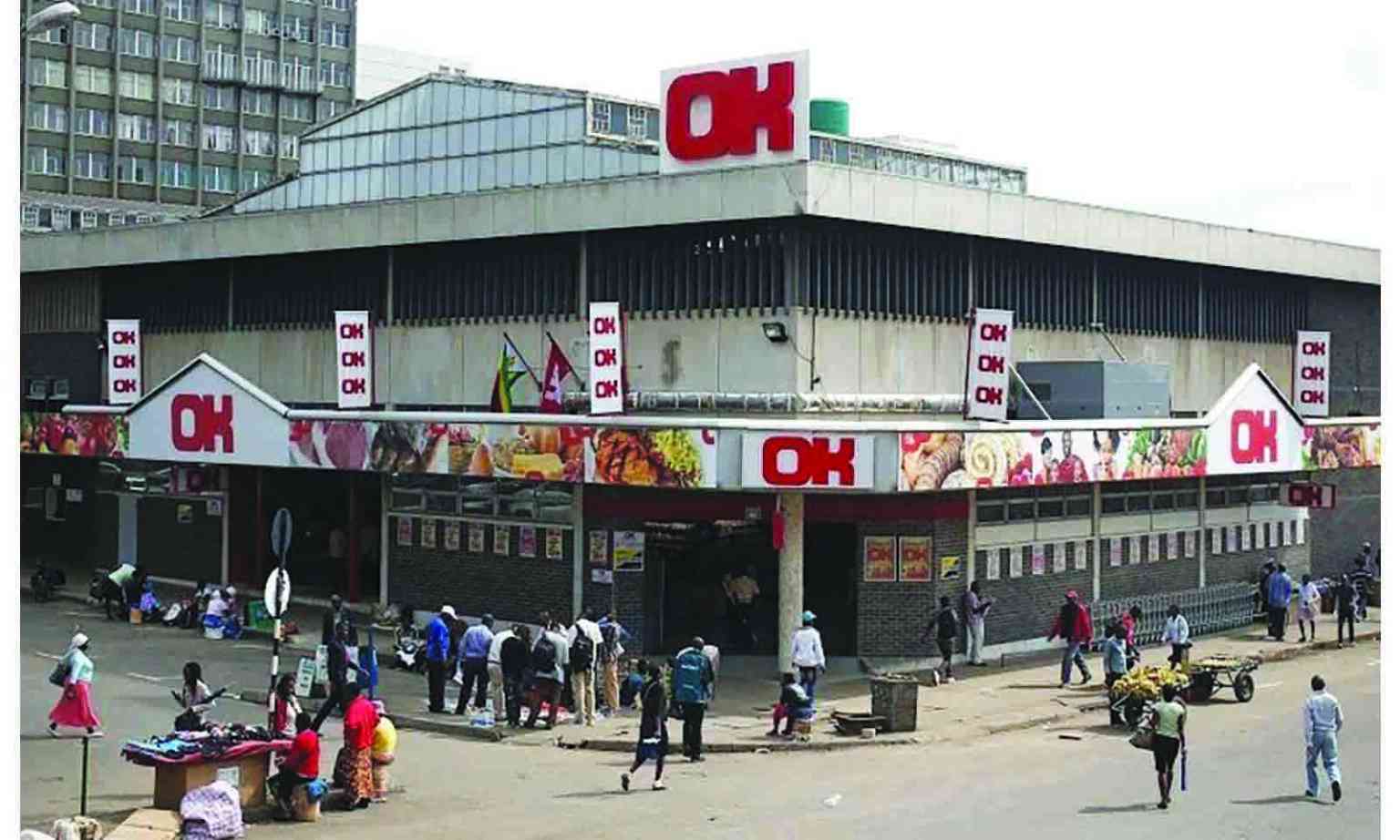
WHAT we witnessed this week — as reported elsewhere in this edition — is deeply unsettling. Shelves that once brimmed with goods are now thinly stocked. Dairy products, fresh produce, bakery items, butchery counters, hardware lines and even basic staples such as maize-meal are missing or in short supply.
Tills that previously hummed with activity are staffed by only one or two cashiers. Foot traffic is sparse. For a retailer that has long been a cornerstone of Zimbabwe’s formal retail sector, it is a sobering sight.
The fully-subscribed US$20 million rights issue, together with restructuring measures and asset sales, was meant to steady the ship. Yet conditions on the ground suggest the intervention has bought time rather than delivered a cure. Falling volumes and visible operational strain point to deeper structural problems that capital alone cannot fix.
As detailed in our accompanying news story, the company’s challenges stem from both industry shifts and long-standing strategic choices. Zimbabwe’s retail landscape has changed dramatically over the past decade. Informal traders now dominate fast-moving consumer goods markets across many high-density and low-income areas. With lower overheads and lighter regulatory obligations, they can offer prices formal retailers struggle to match.
For years, OK Zimbabwe concentrated much of its footprint in precisely these price-sensitive markets. That strategy once drove scale and customer loyalty. Today, it exposes the group to relentless competitive pressure and declining footfall. By contrast, competitors with stronger positions in middle- to high-income areas are better insulated, benefiting from steadier demand and reduced price sensitivity.
Eroding supplier confidence further complicates the recovery. Despite partial settlement of legacy obligations, some suppliers are still cautious. With sales volumes sharply down, concerns over stock turnover and credit risk persist. Without restored liquidity and consistent inventory movement, suppliers will continue to prioritise outlets where volumes are stronger and payments more predictable.
The financial picture underscores the urgency. A funding gap remains. Asset disposals have yet to fully materialise.
Finance costs are rising. Operating expenses, though trimmed, remain heavy relative to a significantly smaller revenue base. Store closures have begun, but further rationalisation may be unavoidable.
- EcoCash, OK Zimbabwe seal partnership
- OK Zim ignites Christmas is Here promotion
- Business giant Chiura laid to rest
- Currency woes: Suppliers demand cash upfront
Keep Reading
This is a moment for clear-eyed leadership. Shareholders must demand swift and disciplined execution of the turnaround plan.
The board must provide firm oversight and confront hard truths about store viability, cost structures and strategic focus.
Management must move decisively to concentrate capital and stock in locations with demonstrable demand, accelerate asset sales and resize the business to match current realities.
OK Zimbabwe is not merely another retailer. It is a major employer and an anchor of formal commerce. Its continued decline would reverberate across suppliers, workers and communities. Allowing drift is not an option. Recovery will not be quick or painless. But it requires urgency, realism and bold action. Shareholders, board and management must save OK. Now!