ZIMBABWE owes Japan about US$381 million in overdue debt, making Tokyo one of the country’s largest Paris Club creditors, Japan’s ambassador to Zimbabwe said.
Zimbabwe’s total debt to Paris Club creditors stands at an estimated US$3,8 billion, accounting for about 55% of cumulative external arrears and nearly 30% of the country’s total foreign debt stock.
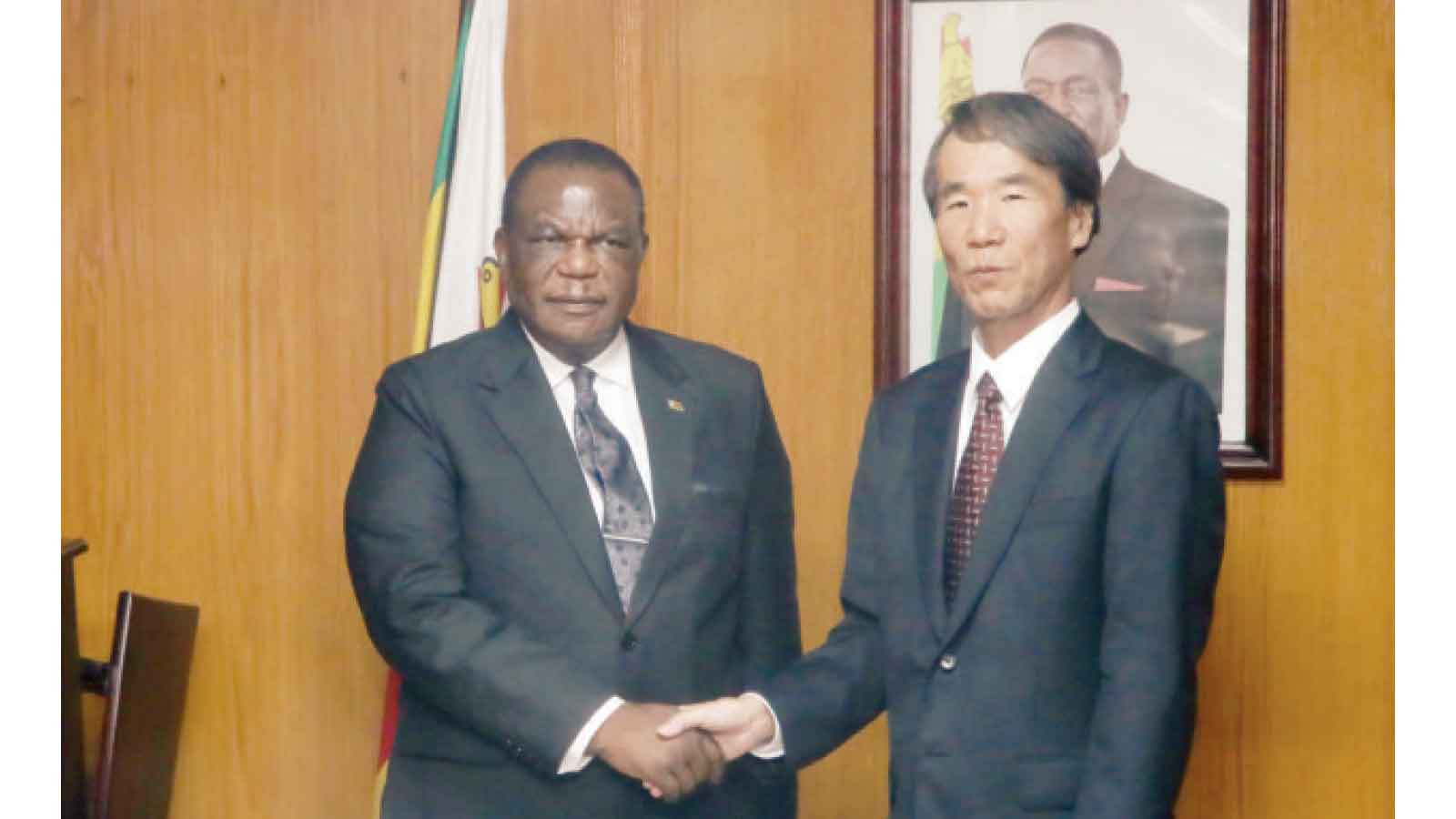
In an interview with the businessdigest, Japan’s Ambassador to Zimbabwe, Nobutaka Maekawa, said most of Harare’s debt to Tokyo was in arrears.
“Zimbabwe’s public debt stock owed to Japan is US$381 million as of the end of September 2025, which is the fourth largest among the Paris Club creditor countries,” Maekawa said.
“The outstanding balance is due to the Japanese government’s development support loans in the past, and most of the balance is overdue debt.”
The country’s total public debt is estimated at US$23 billion. The southern African nation has been locked out of international capital markets for more than two decades after failing to service obligations to multilateral and bilateral lenders.
Maekawa said Zimbabwe needed sustained economic reforms and stable macro-economic management to clear the debt overhang and restore investor confidence.
“For Zimbabwe to clear this debt, sustainable economic growth through steady macro-economic management and policy implementation is essential,” he said.
- Mavhunga puts DeMbare into Chibuku quarterfinals
- Bulls to charge into Zimbabwe gold stocks
- Ndiraya concerned as goals dry up
- Letters: How solar power is transforming African farms
Keep Reading
“The Japanese government will continue to support Zimbabwe’s economic development in line with its national development strategy.”
In 2022, Zimbabwe launched a structured dialogue platform involving creditors and development partners as part of efforts to restructure and resolve its debt arrears.
Maekawa said Japan had provided cumulative assistance worth about US$1,191 billion to Zimbabwe since Independence in 1980, mainly through loans, grants, and technical cooperation.
“Japan has cooperated with the development of Zimbabwe as a good partner. This development cooperation covers a wide range of areas such as infrastructure development, human resource development, health and sanitation, and agriculture,” he said.
“In total, Japan has provided around US$346 million in loan aid, US$660 million in grant aid, and US$185 million in technical cooperation.”
He said Japan had supported Zimbabwe’s health sector through the provision of medical equipment, second-hand ambulances, cholera prevention programmes, and cold-chain systems for Covid-19 vaccines.
Japan has also supported healthcare quality improvement initiatives under the 5S-Kaizen-TQM programme and recently financed the installation of three modern, energy-efficient medical waste incinerators at key referral hospitals.
Maekawa said Japanese assistance had also been channelled towards infrastructure development and education projects.