
DELTA Corporation is investing about US$39 million a year into local grain procurement, deepening its reliance on domestic agriculture to secure key inputs and cushion its operations from currency volatility and global price swings.
The strategy reflects a deliberate shift towards local sourcing in a market where foreign currency shortages, erratic weather patterns and supply chain disruptions have historically weighed on production.
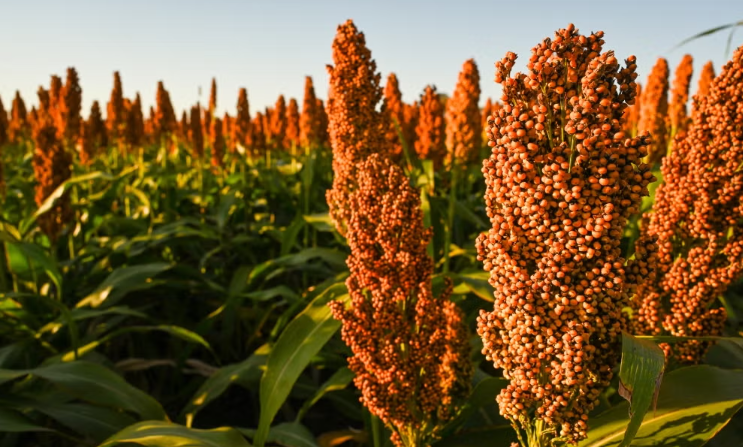
Barley, maize and sorghum — all critical to Delta’s beer and non-alcoholic beverages — are at the centre of this approach, with the company building a broad supply base that spans both commercial and smallholder farmers.
“The commercial barley and maize programme currently engages about 50 farmers cultivating between 6 000 and 8 000 hectares annually,” Delta general manager - corporate affairs Patricia Murambinda told the Independent.
“This supply base guarantees 100% of Delta’s barley malt requirements and approximately 50% of its maize demand. Annual purchasing values amount to approximately US$20 million for barley and US$15 million for maize.”
By securing these inputs locally, Delta is reducing its exposure to import dependency and exchange rate pressures — long-standing challenges in Zimbabwe’s manufacturing sector.
Murambinda said the company’s sorghum programme complements its commercial grain supply, anchoring production in its traditional beer segment.
“Complementing this is the sorghum contract scheme, which anchors Delta’s traditional beer value chain,” she said.
- Currency crisis hits capital markets
- We are climbing out of hard lockdowns, says Delta boss
- Currency crisis hits capital markets
- We are climbing out of hard lockdowns, says Delta boss
Keep Reading
“The programme works with nearly 9 000 communal farmers across the country, generating annual grain deliveries worth between US$4 million to US$5 million.
“The scheme provides a stable and
predictable market for smallholder farmers, fostering rural livelihoods while securing the company’s essential raw materials.”
The initiative feeds into a segment that remains both culturally significant and commercially resilient, while also extending economic opportunities to rural communities that often face limited access to formal markets and finance.
Beyond procurement, Delta is also investing in farming practices to stabilise output. The company promotes conservation agriculture, mechanisation and irrigation, helping farmers manage increasingly unpredictable weather patterns.
“These improvements have contributed to yield stability and higher productivity, particularly in regions vulnerable to climatic shocks,” Murambinda said.
Zimbabwe’s agriculture sector has, in recent years, been hit by recurring droughts and erratic rainfall, exposing the fragility of supply chains that depend on consistent crop output.
Delta’s model — which it describes as “synthetic vertical integration” — seeks to address these risks by supporting farmers with inputs, financing and technical expertise while allowing them to retain ownership of their land.
“This ‘synthetic vertical integration’ secures raw material supply, reduces reliance on foreign currency for imports, and strengthens the national agriculture sector,” Murambinda noted.
The approach also creates a wider economic impact. Delta’s annual grain purchases support a network of suppliers, transporters and other agribusiness players, extending benefits beyond primary production.
In effect, the company is positioning itself not just as a buyer of agricultural commodities, but as a key enabler of Zimbabwe’s grain value chain — a role that is becoming increasingly critical as climate and economic pressures reshape the sector.