For years, the intersection of Julius Nyerere Way and Samora Machel Avenue in Harare has felt less like a city street and more like a high-stakes obstacle course.
This area serves as the heart of Harare’s public transport warfare, heavily dominated by the mushikashika, the illegal, aggressive and highly agile pirate taxis that weave through gridlock, load passengers from undesignated bays and routinely run red lights with absolute impunity.
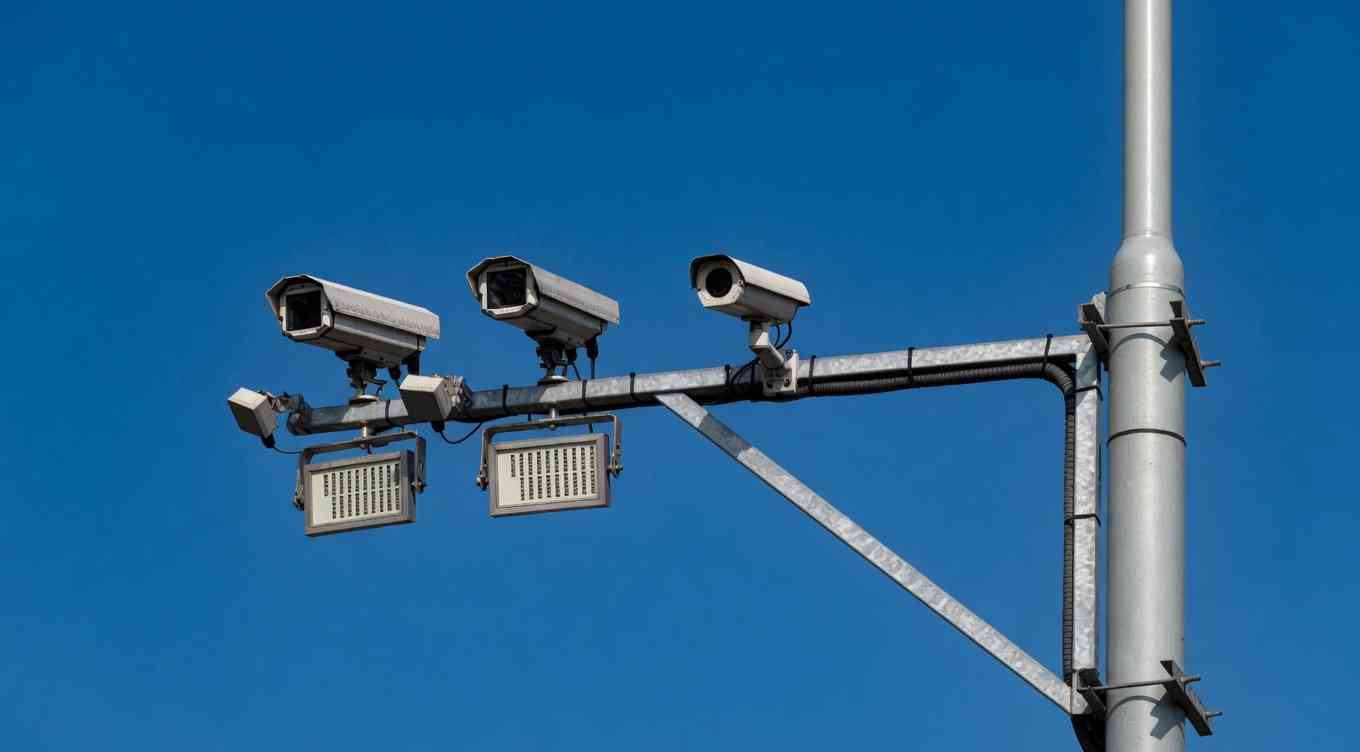
However, a new contender has entered the ring as high-definition, AI-powered smart surveillance cameras now look down from Harare’s newly rehabilitated traffic lights.
The government is rolling out the Electronic Traffic Management System (ETMS). These lenses are meant to bring digital order to urban chaos.
But as these digital eyes blink into action, a critical question echoes through, regarding whether these smart cameras are actually stopping the pirate driving practices, or if they are merely expensive ornaments with zero enforcement power.
To understand the scope of this challenge, one must look at how the mushikashika operates.
Usually consisting of unregistered Toyota Wish wagons, Honda Fits and illegal commuter omnibuses known as kombis, pirate taxis thrive on speed, unpredictability and bypassing formal regulations.
While the traditional enforcement system relied heavily on high-risk physical police roadblocks and dangerous car chases, the new ETMS system utilises high-definition AI cameras for lower-risk electronic ticketing.
- Police intensify crackdown on pirate taxis
- Govt moves to restore sanity on Harare roads
- Govt must sort out traffic jams
- Mupfumi loses US$52 000 to armed robbers
Keep Reading
Developed locally via TelOne in partnership with international technology manufacturers, the ETMS are specifically designed to eliminate these hazardous high-speed pursuits in the central business district.
In theory, the system automatically flags traffic light violations, tracks vehicle registration numbers, and generates electronic tickets, a capability proven during its pilot phase when authorities caught over a thousand traffic violators.
Despite these technological advancements, the cameras do not entirely stop pirate taxis just yet.
While the system is active and highly capable of capturing crystal-clear footage of infractions, the mushikashika ecosystem has exposed massive structural gaps in how that data translates into real-world enforcement.
A primary issue is the ghost vehicle problem, where smart cameras rely heavily on a functioning vehicle database linked to a physical license plate, yet pirate taxis routinely bypass this by operating with no license plates at all, using cloned or fake plates or driving vehicles registered under the names of past owners who sold them years ago.
When a camera captures one of these ghost vehicles running a red light, the system successfully generates an electronic ticket, but tracking down the driver or enforcing the fine becomes virtually impossible.
The system suffers from a lack of immediate physical intervention.
Because the mushikashika thrives on real-time agility, drivers who know a camera is merely recording them will continue loading passengers illegally directly underneath the lens, as the threat of a mailed ticket does little to deter someone whose primary goal is making enough cash to meet a daily target before sunset.
This defiance is compounded by deeply entrenched issues of corruption and coexistence.
Historically, the relationship between pirate drivers and enforcement authorities has been transactional and while the cameras themselves cannot be bribed, the human officers tasked with following up on the digital logs or manning physical checkpoints downstream often can be.
Determining whether the system is a total failure or a work in progress reveals a nuanced reality.
It would be unfair to say the cameras provide no enforcement, because for the formal sector, including registered transport operators, corporate fleets and law-abiding private motorists, the fear of the digital ticket is slowly altering behaviour and creating a noticeable hesitance to jump amber lights.
However, for the mushikashika, the cameras currently act more as historians of chaos than preventers of it.
They perfectly document the lawlessness, but until they are seamlessly integrated with an aggressive, un-bribable physical deployment unit capable of instantly impounding unregistered vehicles, the pirate taxis will continue to treat the lenses as nothing more than a camera flash on their daily commute.
For now, the government's initiatives to tame the traffic jungle still rely heavily on old-school, boots-on-the-ground police crackdowns to physically seize cars, proving that in Harare, the digital eye still needs a very strong human hand to make a fist.