IN today’s corporate arena, leaders face a constant barrage of strategic guidance.
Advisory input streams continuously from boardrooms, corporate consultants, and internal and external stakeholders.
While this data flow is foundational to robust commercial operations, one executive vulnerability remains overlooked: the undisciplined consumption of unqualified advice.
Business executives must grasp that not all strategic perspectives possess equal commercial equity.
One of the most damaging errors a senior executive or business owner can commit is integrating strategic counsel from individuals who have failed to achieve the specific outcomes the organisation is targeting.
As strategist Robert Greene observed, the path to mastery requires an intense economy of focus.
From my experience as an executive business coach involved in strategic planning and capacity building at leading organisations, I have seen how incorporating flawed guidance from non-practitioners diverts executive attention away from long-term value creation.
Typically, when an ambitious business executive prepares to invest in a highly volatile emerging market or pivot a legacy firm towards disruptive digital infrastructure, risk-averse voices inevitably emerge.
- Attract attention: Brand sparkle
- Strategic discernment: Guarding capital, vision against unqualified corporate counsel
Keep Reading
In most cases, individuals who have never managed an organisation or engineered a corporate turnaround will caution: “Protect your current operational safety net,” or “The local ecosystem cannot absorb this level of innovation.”
These interventions, though occasionally well-intentioned, are structurally counterproductive.
Strategic counsel inherently carries the structural weight and limitations of the operational experiences that birthed it.
Professionals who have avoided the complex, high-risk paths of market innovation are unequipped to advise on macroeconomic scaling.
In any other corporate function, this boundary is absolute.
For example, a chief financial officer would never solicit portfolio management insights from an insolvent counterparty.
To scale a corporate vision, executive leadership must apply an aggressive filter, absorbing input exclusively from proven practitioners who have achieved identical benchmarks or who deeply understand the mechanics of the market landscape.
Unqualified advice introduces significant institutional risk.
It also fosters corporate inertia, induces strategic hesitation, and stalls critical implementation timelines.
Most individuals evaluate challenges through an insular, highly specific lens rather than an objective macro-perspective.
When an advisory view is bounded by operational fear or an absence of commercial foresight, the resulting recommendations are compromised.
This rigorous filtering mechanism does not imply complete executive isolation.
Total corporate insularity can create dangerous blind spots.
Non-executive directors, cross-functional peers, and specialised industry experts can offer vital, informed insights rooted in macro-governance or foundational business principles.
The critical executive capability is sharp discernment: deliberately engineering an elite corporate ecosystem composed of mentors, strategic partners, and high-performing operators who actively challenge corporate complacency.
Progressive executives must prioritise alignment with proven professionals who have successfully navigated the exact market hurdles the enterprise faces — those who comprehensively evaluate the balance of capital sacrifice, operational risk, and commercial reward.
Ultimately, executive leadership bears sole accountability for the firm’s strategic journey.
Unqualified advice and risk-averse peer opinions must never dictate capital-allocation strategies or long-term corporate governance.
As Greene noted, an over-reliance on artificial certainty is a critical intellectual hazard.
True business growth demands an appetite for calculated risk and market volatility.
The friction encountered along the competitive highway is designed to stress-test and refine operational models, not to break them.
An executive’s legacy is determined by the quality of the voices they choose to amplify.
By firmly anchoring corporate strategy to the insights of proven, high-performing practitioners, progressive business executives protect their capital and vision from marketplace noise, ensuring sustainable organisational growth.
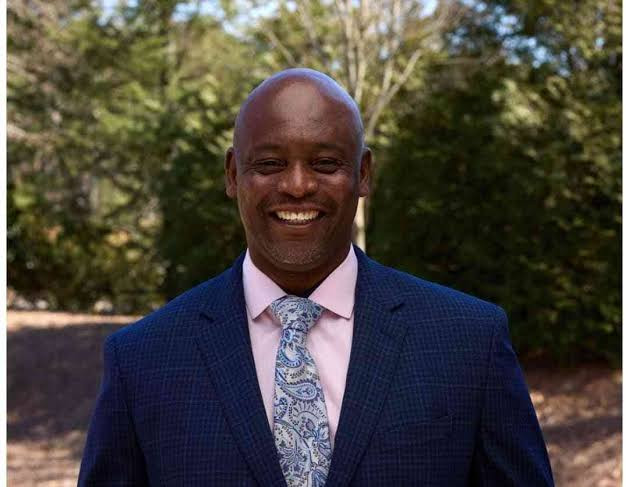
- lInnocent Hadebe, with 25 years of experience and credentials as a John Maxwell certified business coach, serves as a trusted executive advisor through Innocent Leadership Group (ILG), empowering global leaders to think boldly, lead transformational change and turn operational complexity into measurable success