FOR a business to survive and build a lasting legacy, its leadership must establish systems and structures anchored in a clear vision.
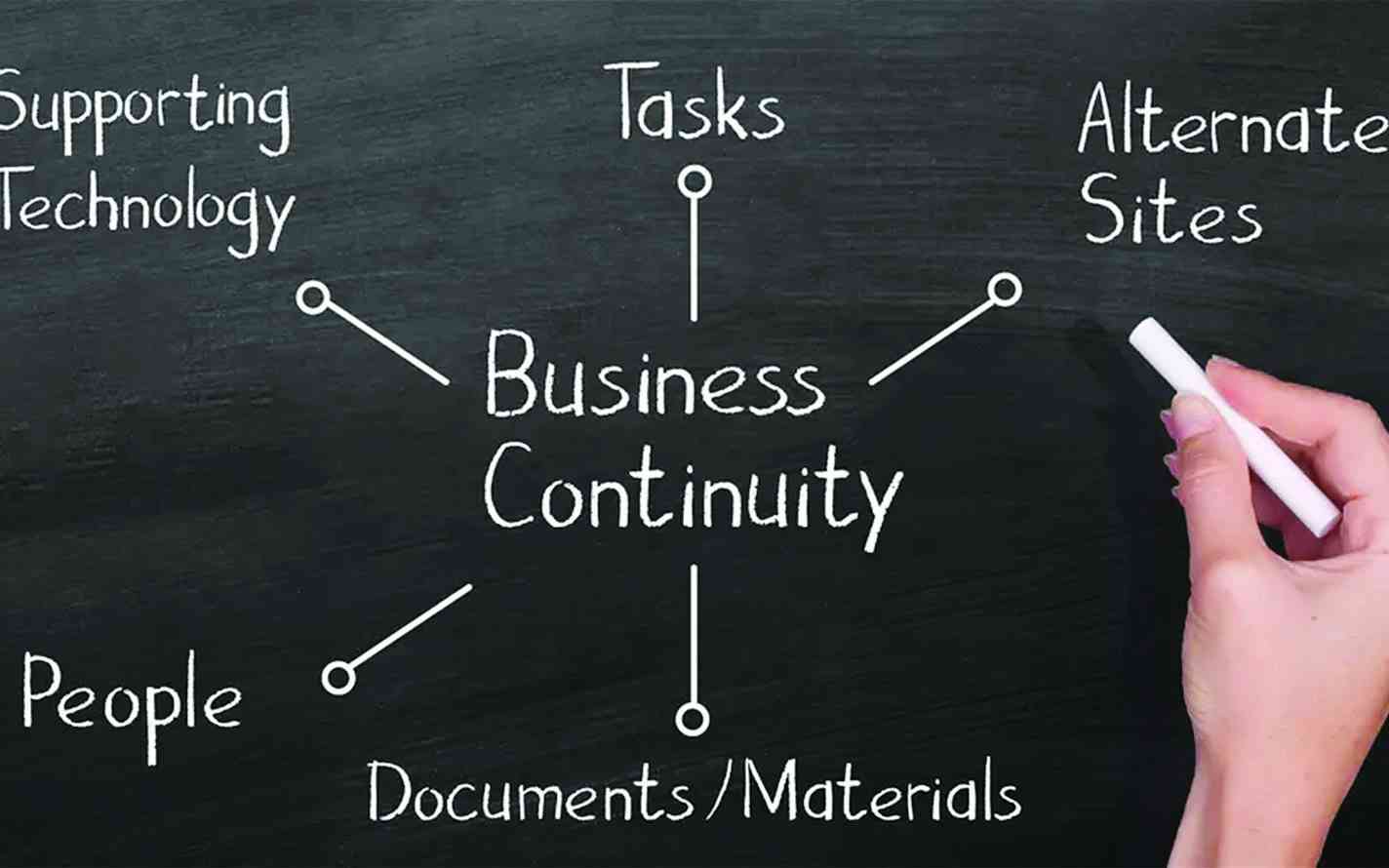
Business continuity is an organisation’s ability to maintain operations without major disruption during unexpected events.
It is the discipline that ensures your business can survive and continue serving customers through crises such as cyber-attacks, system outages or power failures.
Business continuity relies on proactive planning so that operations do not halt at the first sign of a crisis.
Leadership must create a functional framework that embeds a philosophy of continuity across all aspects of the organisation.
For business continuity to succeed, leaders must inspire, motivate, and foster a conducive work environment.
A standardised framework with defined performance criteria is essential.
Business continuity focuses on three key phases: preparedness, response, and recovery.
- Abwa commissions milk plant
- In the groove: Has inflation hit the music markets?
- Zimbos snub Zec voter registration programme
- Business opinion: Brand customisation
Keep Reading
Key components of business continuity
Business Impact Analysis (BIA)
This identifies critical processes, systems, people, and suppliers, and assesses what happens if they fail.
It is a structured process to pinpoint essential business functions, evaluate the effects of disruptions, and determine the resources and priorities needed to minimise financial, operational, and reputational damage.
Business continuity sets recovery targets and ensures the efficient restoration of vital operations.
It helps organisations identify which functions are essential for survival, assess potential impacts, and prioritise recovery efforts to allocate resources effectively.
Risk assessment
This evaluates internal or external threats that could disrupt operations and determines the likelihood and impact of each.
A cross-departmental team can be assembled to identify, analys and assess potential risks.
If threats are found, strategies must be developed to mitigate or manage them, ensuring sound decision-making during a crisis.
This allows for efficient resource allocation so the business can continue operating smoothly.
Continuity strategies
These involve designing safeguards such as redundant systems, cloud back-ups, cross-trained staff or inventory buffers.
These proactive plans ensure the business continues operating during disruptions by identifying risks, protecting critical functions, and enabling swift recovery.
Testing and training
Organisations must test their business continuity plans through drills, audits or simulations.
Training focuses on reskilling and upskilling team members to manage crises effectively.
Testing evaluates how team members respond, measuring factors such as time and resources used during a simulated event.