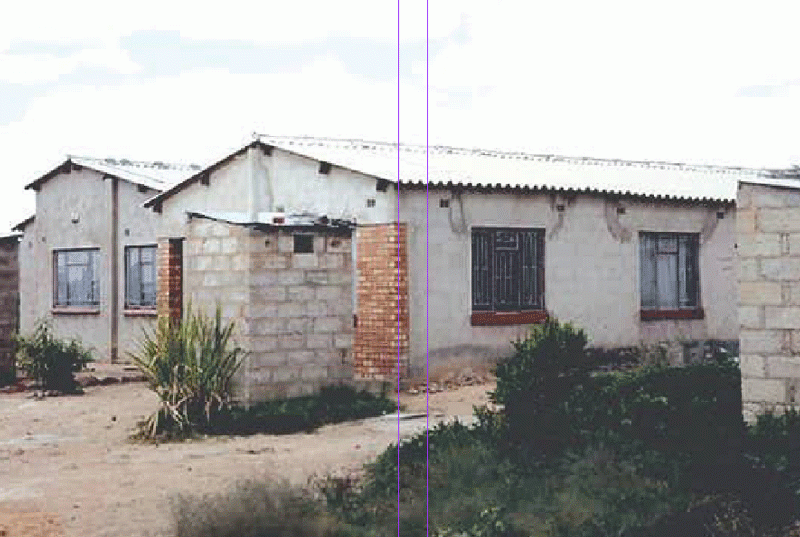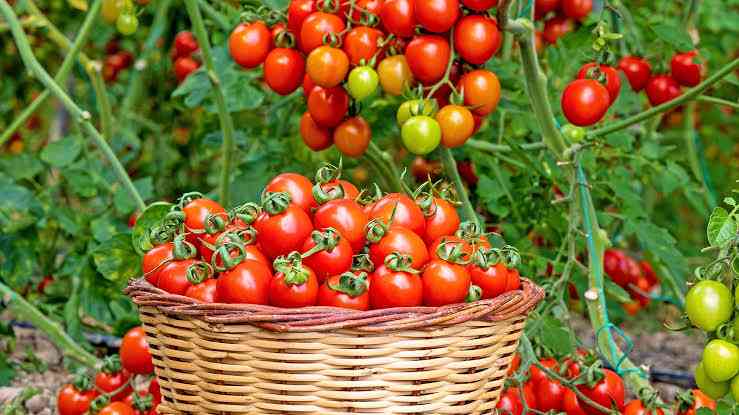
A bumper tomato harvest is bringing colour, income and opportunity to Isla Village in Matetsi, Hwange district, a reminder of what can grow when conservation also invests in people.
Established through a partnership between ZimParks and IFAW, the 1.44-hectare village business unit (VBU) is quietly transforming lives in an area long affected by water shortages, poverty and human-wildlife conflict.
The garden is helping families improve food security, generate income and build climate-resilient livelihoods while reducing pressure on the natural resources they depend on.
By creating sustainable opportunities close to home, the project also helps address some of the economic challenges that can contribute to poaching and unsustainable resource use.
“This is room to roam in action, aimed at supporting communities to thrive while strengthening their role as long-term custodians of the landscapes they share with wildlife,” IFAW said.
IFAW indicated that the VBU model is part of broader efforts to support communities living on the edge of protected areas in rural Matabeleland North, where livelihood options are often limited and dependence on park resources can be high.
Members of the VBU have received training in conservation agriculture, water-use efficiency, and market linkage to ensure the harvest translates into income.
The tomatoes from Isla are now being sold at local markets in Hwange and along major transport routes, giving households a reliable source of cash for school fees, inputs and household needs.
- Bundu series captures poaching issue
- Conservationists help tackle poaching in Hwange
- Questions raised over elephant census
- Zim seeks Cites dialogue
Keep Reading
“Every basket harvested is more than food. It’s another step towards a future where people and wildlife thrive together,” IFAW said.
The project also complements government and partner efforts to build climate resilience in drought-prone districts like Hwange.
By promoting irrigated horticulture, the VBU reduces the need for communities to expand into marginal lands or extract resources unsustainably during dry periods.
IFAW says the success in Isla demonstrates how community enterprises can deliver both conservation and development outcomes.
With continued support, the VBU is expected to expand production and include more crops, further strengthening food security and livelihoods in Matetsi.