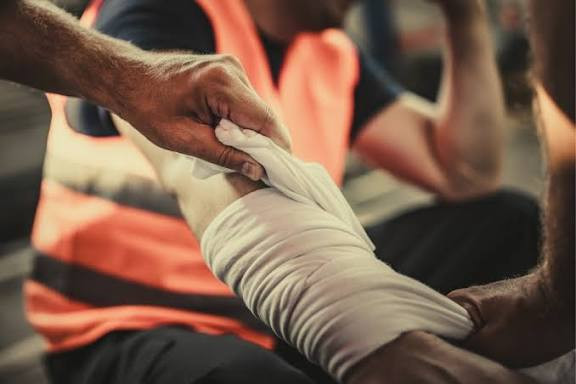
The City of Bulawayo recorded 33 workplace injuries in the first half of 2026, with its lost time injury frequency rate (LTIFR) hitting 5.7, more than five times the internationally recommended standard of below one, according to a council report.
Four injuries occurred in June alone, involving three male employees and one female employee.
The most serious incident saw a ranger attendant attacked by a gold panner with a beer bottle, sustaining a deep head cut.
He was treated at United Bulawayo Hospitals, but did not require sick leave.
In another case, a ranger injured his left hand when a crowbar slipped while he was carrying tools.
A third employee fractured his right baby finger after a city van became stuck on corrugation and his finger was caught against a hard surface as the driver swerved.
A female security guard fell during patrol, twisting her left knee and bruising her eyes.
All four cases were registered with National Social Security Authority (NSSA).
- Another ETF lists on ZSE
- Econet to use Buddie Beatz app to grow local music
- Edutainment mix: The artist in the child policy formulation context
- An unsung HIV/Aids hero spreads message of hope
Keep Reading
To curb the high injury rate, the city has implemented hazard identification, risk assessments, accident investigations, safety talks, first-aid training, and employee wellness programmes.
On June 2, the city conducted its annual occupational safety and health assessment with NSSA, and later that month held a safety induction for contractors renovating Caravan Park toilets.
Wellness initiatives also intensified, with two “Wellness Thursday” events attracting nearly 200 employees, and a three-day Employee Wellness Day offering free health screenings, HIV testing, counselling, and substance-abuse awareness.
The report also highlighted gender and youth disparities.
Women make up 34% of the city’s 3,855 employees, but only 20 percent of senior managers, compared to 80 percent men.
At middle management, women hold 52% of posts.
In market-stand allocations, youths received the largest share at 39.38%, followed by women at 37.27%, men at 22.44%, and persons with disabilities at just 0.91%.
However, in procurement, women-owned businesses secured four of 26 tenders worth US$861 717, while male-owned firms won 14 worth US$2.26 million.
Joint-owned businesses received eight contracts worth US$3.14 million, but no tenders went to youth-owned or disability-owned enterprises.
Officials insist there is no discrimination in the awarding process.
Council resolved to note the report, which underscores persistent safety and inclusion challenges despite ongoing remedial efforts.