More than 500 homes, schools, and boreholes built along the Gwayi-Shangani catchment area since 1912 now face imminent flooding as the dam approaches completion.
Villagers are growing increasingly anxious over the government's failure to communicate relocation plans.
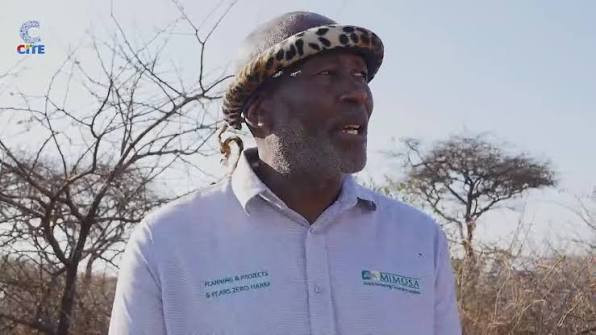
Binga Ward 20 councillor, Jealous Mumpande, told Southern Eye on Sunday that communities had been occupying the area for over a century, long before the current dam project took shape.
He said residents were initially promised relocation to an area called Nakanono, but no progress has been made.
"People began to build their homes inside the dam in 1912 till now. When the dam was finished, residents were told that they are going to be occupying an area called Nakanono but to no avail," Mumpande said.
He expressed frustration over the lack of feedback from authorities.
"We are not getting any feedback from the government and people are worried sick because once the dam is opened, all the houses in the catchment area will be swept away. Our only plea is that the government can at least engage with us and tell us what is going on—we would really appreciate it," he said.
"It's like we are just hanging on air, just waiting for whether we are just going to be chased away or it is going to be something else, since no one is talking to us."
- Binga villagers dig in over relocations
- Concerns grow over fate of Binga villagers
- Villagers’ relocation to cost US$2m
- Binga villagers dig in over relocations
Keep Reading
Matabeleland North Minister of State, Richard Moyo, however, assured residents that they would receive feedback and should not panic.
"They are going to get the feedback—tell them not to worry at all because we will take good care of them," Moyo said.
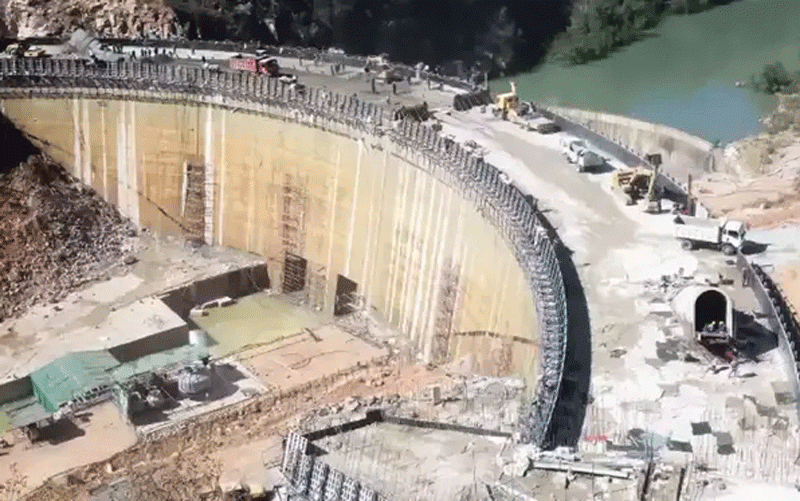
"The dam as we are speaking is now sitting at 80%. We will first have a chat with the chiefs, traditional healers and headmen; hence after that we will ask the district development coordinator to relay our plans to them."
Mumpande reiterated that the government must urgently engage affected communities before the dam holds water at full capacity, warning that lives and property remain at risk without clear relocation timelines.
The Gwayi-Shangani Dam is one of the country's flagship infrastructure projects, aimed at enhancing water security, irrigation, power generation, and economic development in Matabeleland.
In June this year, special advisor to the President on Monitoring the Implementation of Government Programmes and Projects, Jorum Gumbo, toured the project to assess progress.
The project has recorded significant gains, with completion levels rising from 39 percent in 2022 to 77% following increased government support.
Construction of the main dam, powerhouse, and the 252-kilometre pipeline network is progressing, with more than 600 workers operating on a 24-hour schedule.
The Gwayi-Shangani Dam is the centrepiece of the larger Matabeleland Zambezi Water Project, a long-awaited initiative designed to address chronic water shortages in Bulawayo and across the region.
While the current administration has injected new momentum and funding, the broader pipeline and water conveyance system, beyond the dam wall itself, still faces significant hurdles, with completion of the entire scheme now projected beyond 2026.