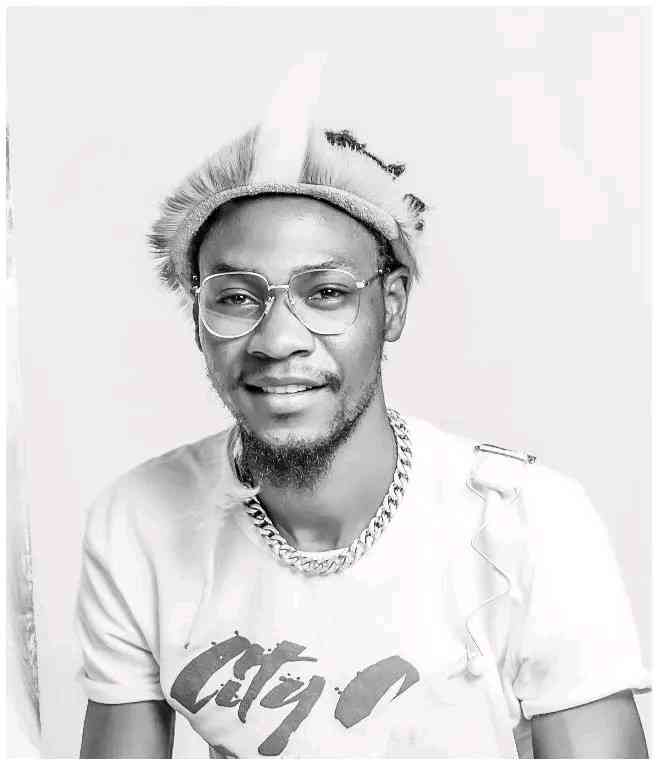
Award-winning Bulawayo-based multidisciplinary artist Andrew Zivengwa is using art to confront xenophobia through a new body of work that explores belonging, exclusion and the resilience of families caught in the crossfire of discrimination.
The Mutare-born artist has completed two mixed-media pieces, Weight to Carry and Whispered Peace, which move beyond political rhetoric to tell intimate human stories of fear, hope and survival.
Working from his Bulawayo studio, Zivengwa combines acrylics, oil pastels, chalk pastels, charcoal, string and found metal objects to create richly textured artworks that invite viewers to reflect on the emotional cost of prejudice.
“Growing up, art was my curious and playful child, always experimenting with different mediums and techniques,” Zivengwa told Southern Eye Showbiz.
“As art grew older, it became clear that its true purpose was to evoke emotion, spark love and challenge perspectives.”
He said his artistic practice was shaped by lived experiences and a desire to provoke conversations that transcend borders.
“My creative language is deeply rooted in emotional life experiences. I want people to feel something before they analyse what they are seeing,” he said.
One of the works portrays a child leaning on his albino mother while people around them move on, seemingly indifferent to their presence.
Zivengwa said the piece symbolises the emotional burden carried by people who experience rejection because they are perceived as outsiders.
“When people face xenophobia, they don’t just carry the exhaustion of having to keep going anyway,” he said.
“They carry it with no one to lean on except each other.”
The artist said the embrace between the mother and child represents hope and solidarity in the face of rejection.
“Some people must carry each other because the world won’t,” he said.
His second piece, Whispered Peace, centres on a young boy in prayer, offering what the artist describes as a quiet but powerful response to hatred.
“Even when xenophobia is loud, peace can begin as a quiet prayer,” Zivengwa said.
“The boy isn’t shouting or marching. He is simply praying for a world where no one is called a foreigner.”
The works come at a time when xenophobic violence and anti-immigrant sentiment continue to affect communities in South Africa, often reducing human suffering to headlines and statistics.
Rather than depicting scenes of violence, Zivengwa’s latest collection focuses on the emotional consequences of exclusion and the universal desire to belong.
“I want viewers to reflect on what belonging really means and what it costs when people are made to feel that they do not belong,” he said.
Although still early in his career, Zivengwa has established himself as one of Zimbabwe’s emerging contemporary visual artists, earning recognition for his ability to blend painting, sculpture and mixed media into works that tackle complex social issues.