For years, former Heritage Studies teacher Liberty Ndaba, known to many as uMahlabayithwale, stood before Bulawayo classrooms, teaching Zimbabwe’s history from textbooks that felt foreign to his students.
“I realised that most of the textbooks we were using had very few examples from Matabeleland. Learners would be taught about places they had never seen,” Ndaba recalled.
Rather than lament the absence of local stories, he decided to create them.
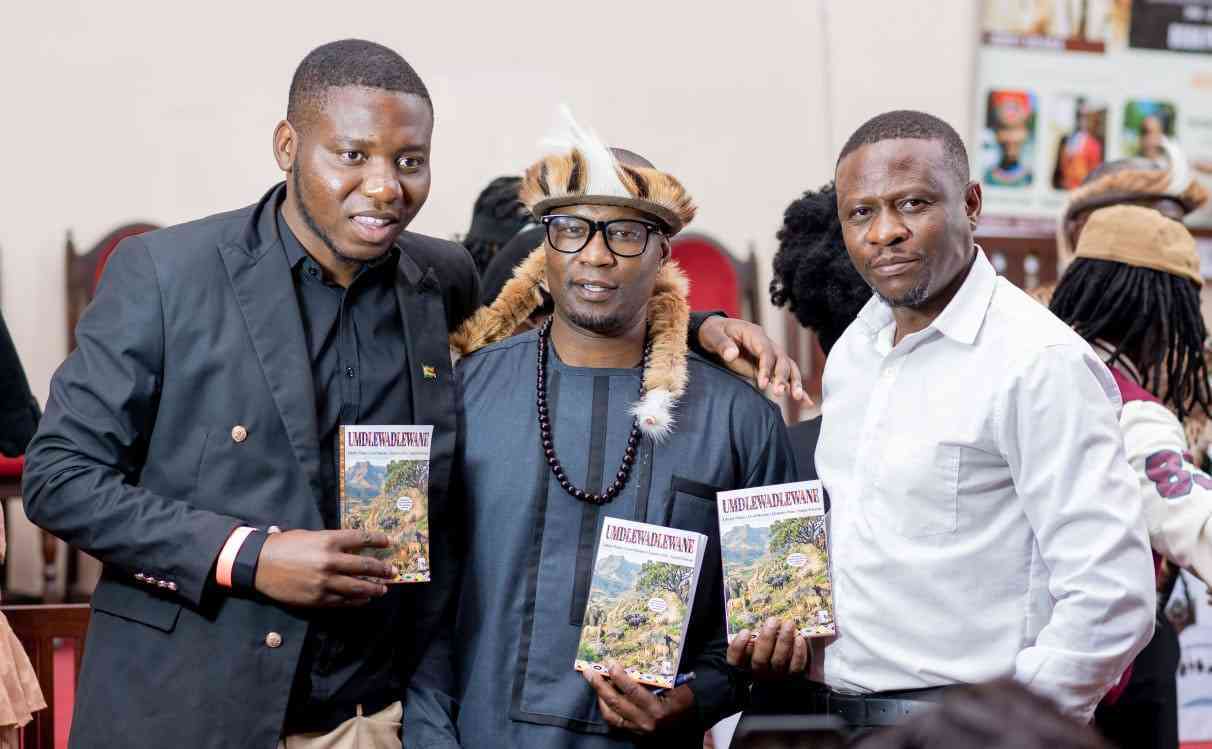
The result is Umdlewadlewane, a 147-page poetry anthology featuring 59 poems dedicated to preserving Matabeleland’s heritage, language and cultural identity.
The collection explores themes ranging from history and gender issues to drug abuse and love, but heritage remains its beating heart.
The anthology’s title draws from a Ndebele folktale about a mysterious fruit that animals desperately wanted to name.
Only a man atop a mountain knew its identity.
A tortoise volunteered to make the arduous journey and, upon learning the fruit’s name, sang it repeatedly while descending to avoid forgetting:
- Mahlabayithwale’s Umdlewadlewane gives voice to Mat’land’s forgotten stories
- Teacher’s poetry anthology brings Matabeleland’s lost stories home
Keep Reading
“Umdlewadlewane owatshel’ inkos’ phezul’ ungakhubeka uzakhohlwa.”
“That fruit symbolises knowledge, life, hope and power. For a long time, many of our stories and histories have been like that fruit, valuable but largely unknown,” Ndaba said.
“This book is my way of bringing that knowledge to the people.”
Beyond documenting places and traditions, the former teacher uses the anthology to celebrate unsung heroes such as local athletes, musicians and artists whose contributions often go unrecognised.
“If people talk about football, they will mention Peter Ndlovu, but very few will talk about players like Mongameli Tshuma,” he added.
Ndaba collaborated with three former students, Liesel Masuku, Cleopatra Ntini and Sanele Feleweni, giving them a stepping stone into literature.
“I believe in grooming young people. They are the future custodians of our culture,” he said.
Written in isiNdebele, Umdlewadlewane seeks to bridge the widening gap between younger generations and their linguistic roots.
“If our stories are not written down, preservation becomes difficult. Future generations need something they can read and learn from,” he said.
Like the tortoise in the folktale, Ndaba has returned from the mountain carrying something precious.
Through his poetry, he is sharing it with the world—one verse at a time.