MATABELELAND South has emerged as Zimbabwe's leading province in the electrification of public institutions, with 90% of its schools and clinics now connected to electricity.
However, provincial leaders say the achievement must be matched by greater investment in science laboratories if rural pupils are to compete for places at tertiary institutions.
The province’s electrification progress came into focus on Thursday when Energy and Power Development minister July Moyo commissioned the 120kW Tshitulipasi Community Mini-Grid Solar project in ward 1, Beitbridge East.
Implemented by the Rural Electrification Fund, the project is expected to supply electricity to Chitulipasi Primary School, 27 households, a clinic, shops, the Zimbabwe Republic Police post, churches and other community facilities.
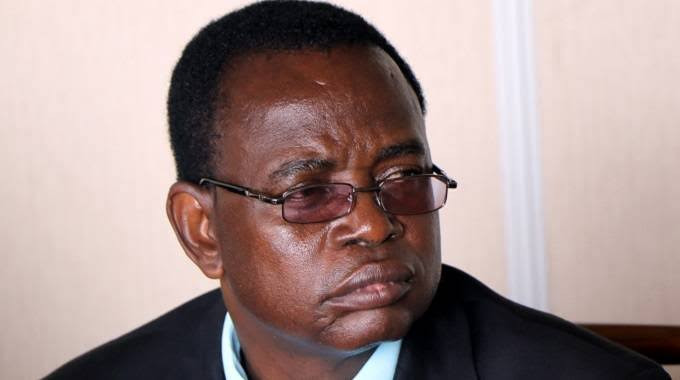
Acting Rural Electrification Agency chief executive Felister Makumbinde said Matabeleland South had electrified 90% of its schools and clinics, placing it well above the national average of 84%.
“In terms of electrification of public institutions, in Matabeleland South, we are at 90% of the schools and clinics electrified,” she said.
“We are left with just 10% to electrify every institution. The national average is at 84%.”
Makumbinde said the Tshitulipasi project was completed at a cost of ZiG16 million over a period of 725 days.
- I will definitely win 2023 elections: Mwonzora
- We will rule forever: ED says
- Measles death toll hits 650
- Govt challenges youths to participate in tourism
Keep Reading
She added that the agency has installed 1 047 solar systems across Zimbabwe’s rural provinces.
It has also installed 149 institutional biogas digesters and 447 domestic digesters, bringing the total number of biogas digesters installed nationwide to 594.
Moyo said electrifying schools was essential, noting that constructing learning institutions without providing electricity limited their effectiveness.
“We have built many schools here in Beitbridge, but they are not good if they are not electrified,” he said.
“Matabeleland South is number one in terms of electrification at 90%. We want that to continue.”
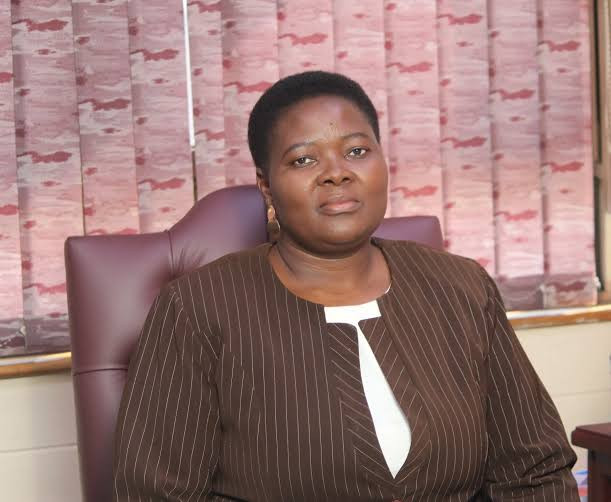
Despite the milestone, Matabeleland South Provincial Affairs and Devolution minister Albert Nguluvhe said the province still faced major educational challenges, particularly the shortage of science laboratories, which has limited pupils’ ability to study science subjects and qualify for technical and engineering programmes.
Nguluvhe said the problem became apparent after he attended a graduation ceremony at Gwanda State University, where only three of the 68 graduates were from Matabeleland South.
“When I became the minister, I looked around our province and asked myself: Why are we having very few students at Gwanda State University?” he said.
“I do not believe in blaming anyone. I believe in identifying a problem and providing a solution.”
He said rural schools could not be expected to produce engineers and other science professionals without adequately equipped laboratories for practical learning.
“How do you expect a child from Chikwarakwara to pass and become an engineer?” Nguluvhe asked.
“We cannot have engineers because they cannot pass chemistry and all those subjects we are talking about because we do not have science laboratories.”
Nguluvhe said the government had responded by providing 40 science laboratories under the Independence Legacy Programme, which will be distributed across the province.
“Now we can teach our children science subjects,” he said.
The Tshitulipasi mini-grid project has already begun transforming the local business environment.
Before commissioning the project, Moyo toured Tshitulipasi Business Centre, where 19 businesses have benefited from electricity supplied through the mini-grid.
He also visited a biogas digester owned by Simon Gumbo, one of 19 households in the ward benefiting from the renewable energy programme.
Nguluvhe said expanding access to modern energy at rural growth points would strengthen local businesses, reduce dependence on firewood and improve access to essential services.
He appealed for the programme to be extended to other growth points, saying rural communities should not be left behind as Zimbabwe pursues its Vision 2030 development agenda.