In Umguza district, where poverty, gender-based violence (GBV) and the threat of HIV continue to place adolescent girls and young women at risk, the Sista2Sista programme is providing a lifeline through mentorship, life skills and sexual and reproductive health education.
Supported by the National Aids Council (NAC), the peer mentorship initiative is empowering girls and young women aged between 10 and 24 with sexual and reproductive health and rights (SRHR) information, financial literacy, psychosocial support and practical skills to help them make informed decisions and protect themselves from HIV and violence.
The intervention comes against a worrying backdrop.
According to Unicef Zimbabwe, adolescent girls and young women continue to carry a disproportionate share of the HIV burden, with new HIV infections among girls and young women occurring at three times the rate of their male peers. Nationally, adolescent pregnancy also remains high, with more than one in every five girls in Zimbabwe giving birth before the age of 19.
The 2024 UNAids Global Aids Update further highlights the urgency of targeted interventions for adolescent girls and young women, noting that an estimated 210 000 girls and young women aged 15 to 24 acquired HIV globally in 2023, with 77% of these new infections occurring in sub-Saharan Africa.
The report estimates that nearly 4 000 adolescent girls and young women become infected with HIV every week worldwide, with eastern and southern Africa remaining the epicentre of the epidemic.
In Zimbabwe, the challenge is compounded by socio-economic pressures.
Unicef says that one in every four maternal deaths occurs among adolescents and women below the age of 24, while about one in three girls reports that her first sexual experience was forced, underscoring the close links between HIV vulnerability, adolescent pregnancy and GBV.
- Churches best positioned to deal with GBV
- The style interview: Tozeza Baba addresses gender-based violence
- Traditional leaders should front GBV fight
- GBV survivors share horrific stories
Keep Reading
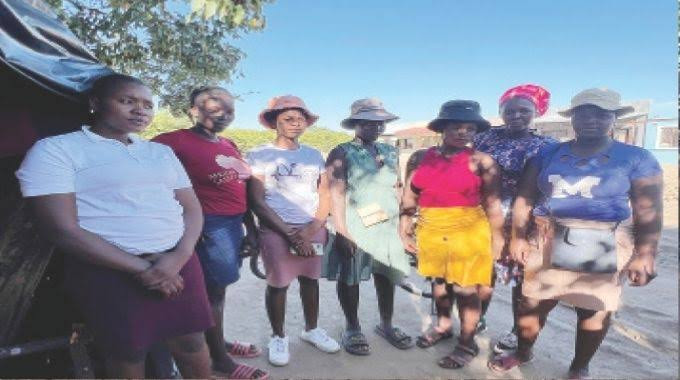
For many adolescent girls and young women in ward 16’s Heany Junction, Sista2Sista is more than an HIV prevention programme — it is a safe space where they can openly discuss challenges they face, from peer pressure and early sexual relationships to abuse and exploitation.
The programme is particularly relevant in Umguza, where 16 of the district’s 19 wards have been identified as HIV hotspots. Ward 16, with its active artisanal mining activities, presents unique challenges as the influx of transient miners often exposes girls and young women to transactional sex, early marriages and different forms of gender-based violence.
Ward 16 Councillor Ms Busisiwe Brown said the programme was helping to break a cycle of vulnerability that has affected many rural communities.
“Our district, especially communities around mining activities, faces serious social challenges. Young girls are often targeted by artisanal miners who lure them with money and gifts, exposing them to abuse, early pregnancies and HIV infection. Sista2Sista is empowering these girls with knowledge and confidence to say no and to understand that they have rights and opportunities beyond these risky situations,” she said.
Ms Brown said the programme was tackling the underlying drivers of HIV infections among adolescent girls and young women.
“When a girl understands her value, knows where to report abuse and has mentors she can trust, she is less vulnerable. Sista2Sista is building confidence, leadership and resilience, giving girls the tools they need to protect themselves and pursue their dreams.”
Sista2Sista mentor Shantel Chigumbu, who is an alumnus of the programme, said the peer-to-peer model had proven effective because it allows girls to speak freely about issues that are often considered taboo.
“Many of the girls we work with are growing up in difficult circumstances where they are exposed to violence, poverty and pressure to engage in risky relationships. Through Sista2Sista, we provide a safe environment where they can talk openly about sexual and reproductive health, HIV prevention, menstruation, gender-based violence and their aspirations.”
She said mentorship sessions encourage girls to remain in school, avoid risky behaviours and seek help whenever they face abuse.
“We are teaching them that they have the power to shape their own futures. We discuss how to navigate difficult environments, especially in communities influenced by mining activities, and how to avoid exploitation. We also link survivors of GBV to available support services.”
According to Thembeni Sithole, a representative of the Zimbabwe National Network of People Living with HIV (ZNNP+), programmes such as Sista2Sista are critical in reversing the trend of new HIV infections among adolescent girls and young women.
“Evidence continues to show that adolescent girls and young women remain disproportionately affected by new HIV infections. Gender inequality, poverty and violence all increase their vulnerability. Sista2Sista addresses these issues holistically by giving girls access to information, mentorship and life skills that enable them to protect themselves.”
She said HIV prevention interventions must go beyond awareness campaigns and focus on empowering girls socially and economically.
“A girl who understands her rights, has confidence in herself and can make informed choices is better equipped to negotiate safe relationships and avoid exploitation. Communities need programmes like Sista2Sista because they tackle the drivers of HIV while also confronting gender-based violence.”
For 22-year-old mentee Mitchelle Moyo, joining the programme has changed how she views herself and her future.
“I used to be shy and afraid to ask questions about issues affecting young women. Through Sista2Sista, I have learnt about HIV prevention, reproductive health and how to avoid situations that can put me at risk. The mentors encourage us to stay focused on our education and to believe that we can achieve our goals.”
She said the support network created by the programme had helped her build confidence.
“I now know that I am not alone. I have other girls and mentors I can talk to whenever I have a problem. I have learnt to value myself and not to be pressured into making decisions that could affect my future.”
Another participant, Sibongile Ncube (22), said the programme had empowered her to stand against GBV and become an advocate for other young women in her community.
“Before I joined Sista2Sista, many of us did not know where to seek help when facing abuse or harassment. Now we understand our rights and we encourage each other to speak out. The programme has taught us that we deserve respect and that we should never accept violence or exploitation as normal.”
As part of strengthening the programme’s sustainability and economic empowerment component, Sista2Sista mentors in Umguza have also received sewing machines and materials to train participants in tailoring and the production of reusable sanitary pads and school uniforms.
The initiative is expected to improve menstrual health management while creating income-generating opportunities for girls and young women.