TSHOLOTSHO villagers say escalating lion and other wild animal attacks have wiped out livestock herds, destroyed crops and left communities living in fear as human-wildlife conflicts intensify.
The growing conflicts highlight the challenges faced by communities living near wildlife conservation areas, where increasing animal populations, shrinking habitats and prolonged dry spells are forcing wildlife to venture beyond protected zones in search of food and water.
Residents say the incursions are undermining livelihoods, threatening food security and exposing families to constant danger.
One of the affected ward 3 villagers, Matshobana Mpofu, said residents were living under persistent threat from wild animals that frequently stray into villages.
“Lions, elephants, hyenas, zebras and wildebeests are frequently entering community spaces. This has created dangerous situations and is affecting our rural livelihoods,” said Mpofu.
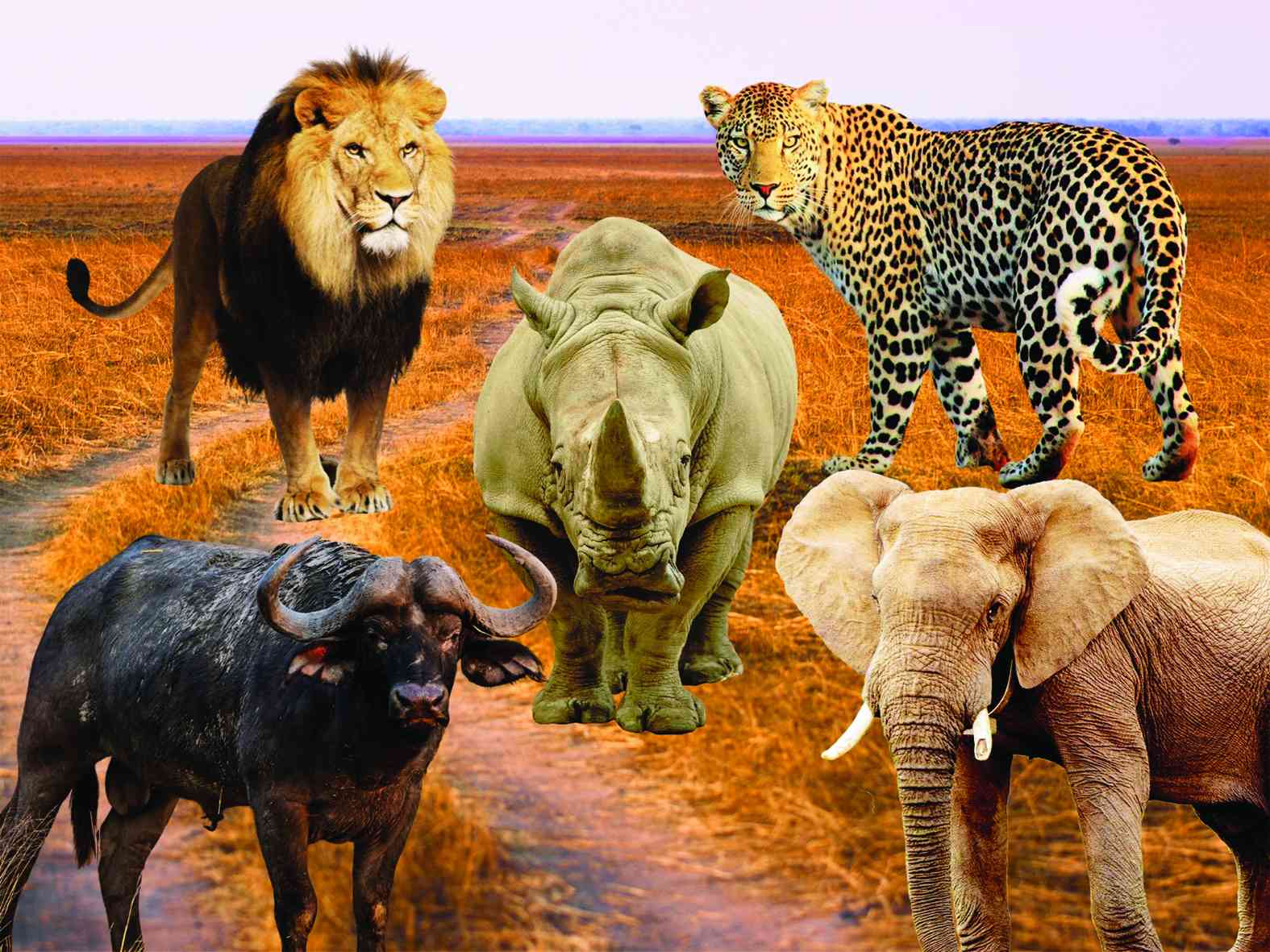
“The most affected villages include Ngamo, Sikwakweni, Nganyana, Siga and surrounding areas. These animals attack our livestock and expose them to diseases. The Big Five are giving us serious challenges. It is now as if we are living inside a game park.”
Another villager, Thonisani Tshuma, said some families suffered devastating losses of cattle to predator attacks.
“The situation is now beyond our control. We have reported the matter to relevant authorities, but our concerns have largely gone unanswered,” he said.
- Gwanda residents apprehend robbers
- Matabeleland groups urged to push for control of resources
- Matabeleland groups urged to push for control of resources
- Villagers to launch seed bank
Keep Reading
“As we speak, some families have lost all their cattle. In some cases, at least three cattle are killed in a single day. These dangerous animals are now roaming around our communities outside Hwange National Park.”
Tshuma acknowledged the role of the Communal Areas Management Programme for Indigenous Resources and safari operators in managing wildlife through buffer zones, but said more needed to be done.
“We are not against development, but we are unhappy with the way wildlife is being managed. Our lives are now in danger and the safety of our children, especially those walking to school, can no longer be guaranteed,” he said.
Another villager, Sipho Ndlovu, said the crisis was affecting livestock trading.
“Livestock is our wealth, but we are now being denied opportunities to sell our cattle outside the area where we could get better prices. As a result, we are forced to accept very low offers,” he said.
Tsholotsho North legislator Libion Sibanda said authorities were aware of the problem and had engaged stakeholders in search for a lasting solution.
“I am aware of the matter and we are working with all stakeholders to address it. The animals have become a major threat and the situation is no longer normal,” he said.
Sibanda said while elephant incursions had been brought under control, lions had emerged as a growing challenge.
“This time we are dealing with lions, which have become difficult to control. They are now attacking livestock during the day,” he said.
Sibanda said lions had always been a challenge, but the difference was that they were now hunting in broad daylight.
He also expressed concern over the growing population of wildebeests and antelopes outside protected areas.
“The wildebeest and antelope population outside the park has increased significantly and the animals have permanently settled in some communities, making it difficult even for wildlife authorities to properly monitor them,” the lawmaker said.
He added that the animals had become a source of diseases for livestock in the affected areas.