FOR years, access to healthcare has been a daily struggle for many residents of Cowdray Park, one of Bulawayo’s largest and fastest-growing suburbs.
With consultation fees beyond the reach of many households and public health facilities stretched by a rapidly growing population, residents often had to travel long distances to seek medical attention.
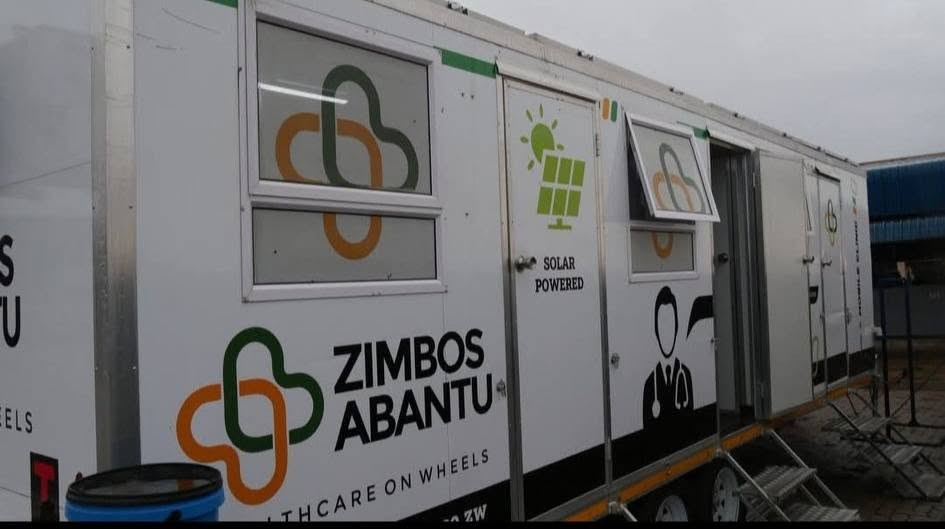
That burden is beginning to ease through a mobile clinic operated by Zimbos Abantu Trust in partnership with the National Aids Council (NAC), which is providing free consultation, screening services and primary healthcare closer to where people live.
Each morning, scores of residents queue at the clinic for blood pressure checks, blood sugar tests, health advice and treatment for common ailments.
The initiative is offering a lifeline to vulnerable families who have long struggled to access affordable healthcare.
Bulawayo Progressive Residents Association ward 6 chairperson Bongani Siziba said the programme brought the much-needed relief to the community.
“This project is helping a lot because people were going as far as Emagetsini to access health services,” Siziba said during a media tour last week.
“Even at those clinics, people are paying consultation fees, but here consultation is free.”
- Zim wins bid to host ICASA 2023
- An extraordinary tale of perseverance
- Poverty drives Epworth women into sex work
- NAC urged to tame new HIV infections
Keep Reading
For many families in Cowdray Park, where unemployment and informal trading remain widespread, even modest healthcare costs can result in difficult choices between medical care, food and transport.
Residents say the free services are helping to ease that burden.
“People are very interested in accessing these health services and in most cases I have seen many people coming here,” Siziba said.
“At times they even visit patients at home to check on their health conditions.”
The mobile clinic operates from a modest setup but attracts dozens of residents everyday, reflecting the growing demand for accessible healthcare in the suburb.
Founder and chief executive officer of Zimbos Abantu Trust, Tawanda Mushawedu, said the organisation focused on communities that were often left behind in healthcare delivery.
“Zimbos Abantu is focusing on the provision of primary healthcare to communities that are usually left behind,” Mushawedu said.
He noted that although Cowdray Park had a public health facility, the suburb’s population has outpaced available services.
“Officially, the population is about 78 000 people and they have access to just one public health facility,” he said.
Mushawedu said the organisation was complementing government efforts by taking healthcare to communities through mobile clinics.
The partnership with NAC also integrates screening and treatment for non-communicable diseases such as hypertension and diabetes into HIV healthcare programmes.
“There is a realisation that people living with HIV are more prone to non-communicable diseases such as hypertension, diabetes mellitus, asthma and some cancers,” he said.
Since the programme began in August last year, Mushawedu said it provided free medical consultation to about 8 900 patients and free blood sugar screening services to more than 5 000 people.
The impact has been significant for low-income households.
“They are saving about US$15 on medical consultation, which is a huge amount for our communities,” Mushawedu said.
However, residents said more still needed to be done.
Cowdray Park continues to expand rapidly and some households remain far from the clinic’s current location.
Siziba appealed for the programme to be extended to other parts of the suburb.
“Cowdray Park is very big and some people are failing to access this clinic because of distance,” he said.
“We appeal for the programme to be expanded to other wards.”
Despite those challenges, residents said the mobile clinic restored hope in a community where healthcare often felt out of reach.
The steady stream of people seeking treatment, screening and advice each day underscores both the scale of the healthcare gap and the difference accessible can make when services brought directly to underserved communities.