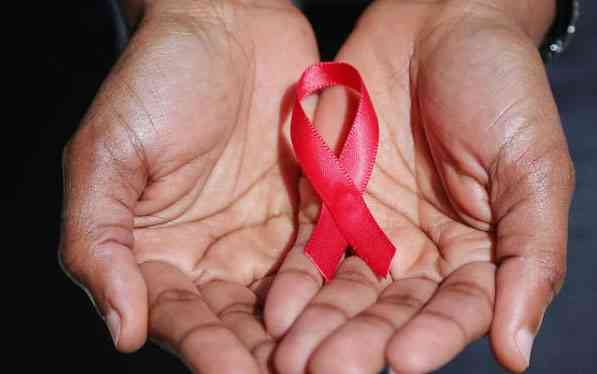
Sometimes life strips us of everything, yet we still find strength to rise again instead of giving up. The pain of passing through difficult seasons can be overwhelming, but as Winston Churchill once said: “Never give up, never ever, never.”
When HIV and Aids first emerged, it was portrayed as a terrifying and shameful condition.
Anyone diagnosed with it was treated as though they had already been condemned to death. Fear, stigma and discrimination robbed many people of their dignity and hope.
Cruel nicknames were coined, and anything associated with HIV and Aids carried frightening danger symbols, reinforcing fear and hopelessness.
Yet with God, there is always a way. Nearly 40 years after acquiring HIV, I am still alive, healthy and grateful.
My family’s story is unique: out of four family members, only one is HIV negative, while the three of us living with HIV have survived for more than 30 years.
Although medical advances have transformed HIV from a death sentence into a manageable condition, many people are still suffering in silence.
Fear, shame, stigma and discrimination remain major challenges.
- Econet to use Buddie Beatz app to grow local music
- Edutainment mix: The artist in the child policy formulation context
- Edutainment mix: The artist in the child policy formulation context
- Fact’s educational programme throws lineline to vulnerable groups
Keep Reading
Some people default on treatment because they fear being exposed, while others fall into depression, violence, divorce or even suicide after diagnosis.
The messages I continue to receive from people battling emotional pain and rejection prove that society still has a long way to go in making people comfortable about disclosing their HIV status.
I tested positive during a time when HIV and Aids was regarded as certain death.
Even talking about it was frightening. By God’s grace, I survived, and along the journey I learned valuable lessons that I continue sharing with others.
One of the biggest challenges facing people living with HIV is the shame and fear attached to the disease from its earliest days.
Despite years of awareness campaigns and intervention programmes, stigma continues to affect many lives.
When people go for HIV testing, they must prepare themselves emotionally for either result. More importantly, they must learn to accept a positive diagnosis with courage and composure. I have always advised couples not to rush into divorce when HIV enters a relationship. Such situations require maturity, understanding and calmness.
Another dangerous challenge is the victim mentality that HIV created during its early years.
Many people stopped pursuing careers, education and personal growth because they believed there was no future left for them.
I experienced this myself after my diagnosis, as I abandoned some of my academic and professional ambitions.
Fear can destroy people long before illness does. That is why it is important to avoid people who constantly spread negativity and hopelessness.
Instead, surround yourself with those who encourage and uplift you.
People living with HIV must intentionally choose life. That determination becomes the fuel that develops resilience and a fighting spirit.
When I tested positive, I was also battling tuberculosis, and the odds appeared impossible. Few people believed I would survive.
Yet through faith, resilience and God’s grace, I am still here today sharing my story.
Fighting stigma and discrimination is equally important.
Many people fear taking their medication publicly because they worry about being judged or mocked.
Over the years, I have taught myself that my life belongs to me, not to public opinion.
At one media workshop, I even challenged health officials by saying people living with HIV should feel free to take their ART publicly without fear of discrimination.
My family has deliberately chosen not to live for the approval of others. We focus on living healthy, productive and joyful lives despite our HIV status.
We are happy, active and grateful for life, and our wish is to see others living positively as well.
Above all, prayer remains the most important source of strength. Faith gives people hope even during the darkest moments of life.
HIV is not the end of life. With acceptance, treatment, resilience, support and prayer, people living with HIV can still build meaningful, productive and fulfilling lives.
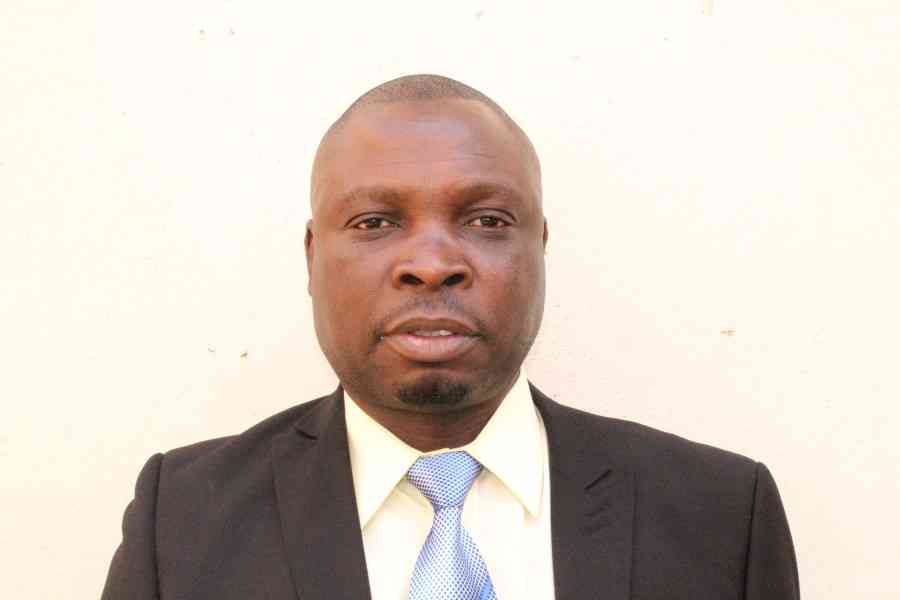
- Piason Maringwa is an HIV champion based in Gokwe South, who fights stigma, promotes treatment adherence and educates communities to improve the lives of people living with HIV. He can be reached on +263774322043