A full house marked the opening of the National Education Summit Zimbabwe (NESZ) 2026 in Matabeleland South yesterday, with hundreds of delegates from across the country converging to discuss the future of Zimbabwe’s education sector.
The packed summit brought together government officials, school authorities, teachers, development partners, investors, financial institutions, private companies and international organisations, reflecting growing national interest in transforming the country’s education system through innovation, investment and inclusive learning.
The four-day indaba, being held at the Lakeside Events Centre along Plumtree Road, saw the conference being filled to capacity as delegates engaged in discussions centred on education reform, digital transformation and sustainable investment in schools.
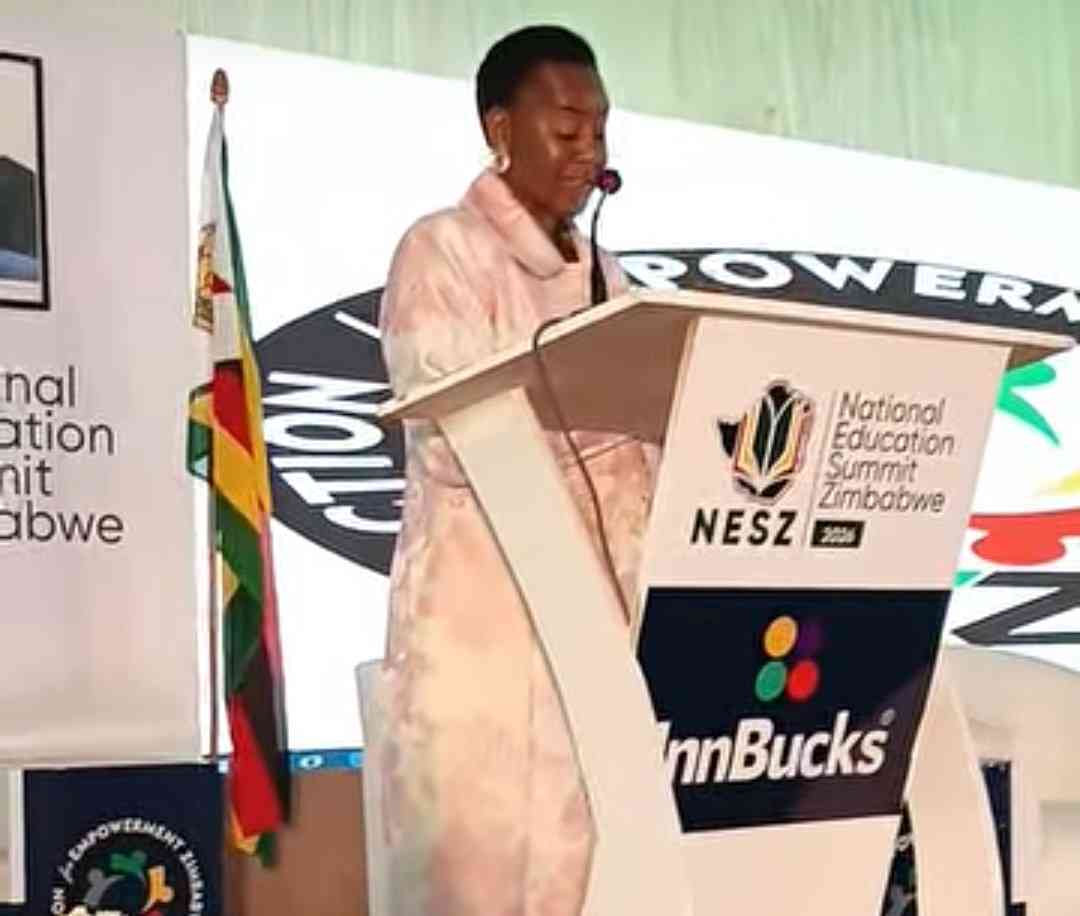
Primary and Secondary Education deputy minister Angeline Gata was the guest of honour.
She said the country’s education system should remain inclusive, accessible and beneficial to all learners regardless of their background or geographical location.
Gata also noted that platforms such as the National Education Summit were critical because they provide an opportunity for stakeholders to collectively reflect on the state of our education sector and identify reforms that will directly benefit Zimbabwean learners.
“We are particularly pleased to have Members of Parliament participating in this summit because they play a pivotal role in crafting and shaping the policies that guide our education system,” she said.
“Their contribution is essential in ensuring that the voices and needs of learners, teachers and communities are adequately represented at policy level.”
- Marist Brothers triumphs in Old Mutual high schools quiz
- Govt hails ZELP
- No funds to build Mahatshula Secondary: Government
- Gata pushes for anti-bullying laws in schools
Keep Reading
Gata said education was a collective national responsibility that requires collaboration between government, legislators, the private sector, development partners, communities and parents.
Running under the theme, From Policy to Practice: Driving Innovation and Investment in Zimbabwe’s Education System, the summit is expected to tackle pressing issues affecting the education sector, including infrastructure development, digital transformation in schools, teacher capacitation, curriculum modernisation, financing gaps and equitable access to quality education.
President Emmerson Mnangagwa is expected to officially address delegates during the summit, while businessman Kudakwashe Tagwirei is among the key speakers expected to present on investment opportunities and private sector participation in education development.
The summit has also drawn interest from education experts and development agencies eager to explore practical solutions for improving access to quality education and modernising learning institutions across the country.
Speaking on behalf of Matabeleland South Minister of State for Provincial Affairs and Devolution Albert Nguluvhe, provincial administration official Ndodana Dlamini said the province was honoured to host a national dialogue focused on shaping the future of education.
“It is my singular honour and privilege to welcome you all to the province on behalf of the Minister of State for Provincial Affairs and Development, Honourable Nguluvhe, and on behalf of the people of Matabeleland South,” said Dlamini.
He stressed that education remains a cornerstone for national development and economic growth.
“The quality of education we provide today determines the quality of leadership, innovation and prosperity we envisage tomorrow. Education is no longer just about literacy; it is about preparing learners to compete in a rapidly changing global economy driven by technology, creativity and innovation,” he said.
Dlamini highlighted several challenges affecting schools in Matabeleland South, particularly in rural communities where climate-related hardships continue to disrupt learning.
“We face challenges of long distances travelled by learners, water scarcity in some areas and climate shocks that sometimes disrupt learning processes. Despite these difficulties, we continue to witness resilience from our communities, dedicated teachers and hardworking learners who excel against all odds,” he said.
Education stakeholders at the summit are expected to discuss practical interventions to address teacher shortages, school infrastructure deficits and inadequate digital resources, particularly in marginalised communities.
Concerns over the widening gap between urban and rural schools are also expected to dominate discussions, with participants calling for increased investment in science laboratories, internet connectivity and modern teaching technologies.
Several delegates attending the summit said there is an urgent need to align Zimbabwe’s education system with emerging global trends such as artificial intelligence, digital learning platforms and technical innovation.
Education experts also believe stronger collaboration between Government and the private sector could help accelerate infrastructure development and improve access to quality learning materials.
“This summit gives us an opportunity to reflect on realities, share solutions and commit ourselves to building future-ready schools capable of producing globally competitive learners,” Dlamini said.
He also called for the creation of inclusive learning environments that guarantee equal opportunities for learners living with disabilities and children from disadvantaged backgrounds.
The summit is being organised by Action for Empowerment Zimbabwe (AEZ) and Business Diary in partnership with the Ministry of Primary and Secondary Education.
AEZ president Alson Darikayi said the indaba will feature policy discussions, investment roundtables, exhibitions and stakeholder engagements focusing on governance, innovation, financing models and improving access to education.
“We want this summit to move beyond discussions and produce practical outcomes that can strengthen the education sector and improve learning conditions across the country,” said Darikayi.
Delegates are also expected to explore strategies for improving vocational training, strengthening public-private partnerships and increasing funding for rural schools.
The summit comes at a time when Zimbabwe’s education sector is undergoing significant transformation, with increased emphasis on heritage-based learning, digital skills development and industrialisation-oriented education.
Stakeholders hope the outcomes of the conference will contribute towards building a more inclusive, modern and resilient education system capable of meeting the demands of the country’s Vision 2030 development agenda.