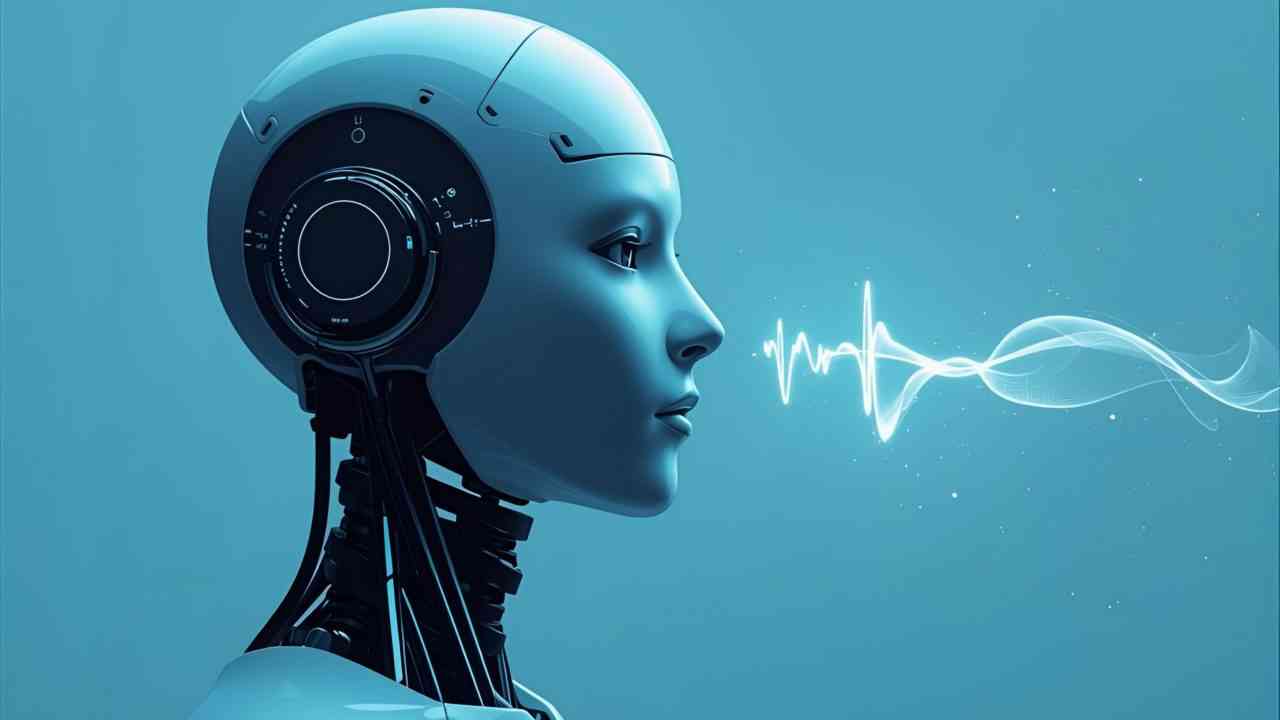
The global conversation around artificial intelligence in the creative industry has largely been shaped by fear, resistance, and uncertainty, with many artists questioning whether this technology signals the end of human creativity or merely a shift in how it is expressed.
Yet from the perspective of Matabeleland, a region deeply rooted in storytelling, resilience, and cultural identity, the conversation must evolve from fear to possibility, from resistance to readiness.
Because the truth is both simple and powerful: AI is not the creator. It is the assistant.
And those who understand this early, and choose to engage with it intentionally, will not be replaced; they will lead.
Matabeleland, long celebrated as a cradle of culture, language, and artistic depth, stands at a defining moment.
For years, its creatives have carried rich and compelling narratives shaped by history, spirituality, struggle, and identity, often without access to the infrastructure, funding, or platforms needed to project these stories onto the global stage.
Today, however, the rise of accessible AI tools is beginning to dismantle those barriers, offering a new pathway for expression that does not depend on traditional gatekeepers.
What once required expensive studios, advanced equipment, and large production teams can now begin with something far more accessible: a smartphone, a basic laptop, an internet connection, and, most importantly, a clear and intentional vision.
- Time running out for SA-based Zimbos
- Sally Mugabe renal unit disappears
- Epworth eyes town status
- Commodity price boom buoys GB
Keep Reading
This is where the role of the creative is undergoing a profound transformation.
The modern creative is no longer defined solely by their ability to execute tasks manually, but by their ability to think critically, direct intelligently, and curate meaningfully. In this evolving landscape, creatives are becoming “AI directors,” individuals who understand how to guide technology through thoughtful prompting, refine outputs through careful selection, and shape raw generated content into work that carries depth, authenticity, and purpose.
This shift does not require expensive resources. It requires curiosity, discipline, and a willingness to learn.
A young creative in Matabeleland today can begin experimenting with AI tools using free or low-cost platforms, learning how to generate ideas, create visuals, produce music drafts, or write scripts.
The process may start small by testing prompts, refining outputs, and understanding what works and what does not, but over time it builds a powerful skill, the ability to direct creativity rather than be limited by tools.
Already, we are witnessing a significant shift in industries such as music, where AI-generated songs are amassing millions of streams across digital platforms. These productions, often created with minimal traditional infrastructure, are reaching global audiences and reshaping the way music is produced, distributed, and consumed. This is not a distant future; it is a present reality that is expanding daily.
To fight this wave is not only difficult; it is impractical.
History reminds us that every major advancement in creative technology, from recording equipment to digital editing software, was initially met with skepticism and resistance.
Yet those who chose to adapt became pioneers, while those who resisted were eventually left behind. AI is following the same path, and the sooner creatives engage with it, the greater their advantage will be.
For Matabeleland creatives, this moment is not just about adaptation; it is about leadership.
There is a unique opportunity to use AI tools to amplify local voices, preserve indigenous languages, and tell stories that are deeply rooted in lived experience while reaching audiences far beyond geographical limitations.
A poet can use AI to visualise their words into compelling digital art.
A musician can experiment with sound layering and composition before entering a studio.
A storyteller can draft scripts, refine narratives, and even simulate scenes that would otherwise require significant resources.
These are not distant possibilities. They are practical, accessible starting points.
AI removes many of the barriers that once limited creativity, but it does not remove responsibility.
The creative must still bring intention, cultural understanding, and authenticity to the work.
AI can generate content, but it cannot replicate lived experience, emotional depth, or the spiritual and cultural nuances that define Matabeleland’s identity.
That responsibility remains human.
This is why the future belongs to those who can balance both worlds, those who can use AI as a tool while remaining grounded in their identity, their stories, and their purpose.
Matabeleland creatives have already demonstrated resilience, innovation, and a deep commitment to storytelling, often achieving remarkable results with limited resources.
What is required now is not a complete reinvention, but an expansion, a willingness to integrate new tools into existing strengths, to experiment without fear, and to learn continuously.
Start small. Learn consistently. Collaborate intentionally.
Use what is available, refine your craft, and allow AI to enhance your vision rather than replace it.
The question is no longer whether AI will change the creative industry. That change is already underway. The real question is whether Matabeleland creatives will step forward, embrace this new reality, and position themselves as leaders in a space that is still being defined.
Because if there is any region capable of merging tradition with technology, identity with innovation, and storytelling with strategy, it is Matabeleland.
In this new era, those who understand that AI is not the creator but the assistant will not only survive; they will shape the future of creativity on their own terms.