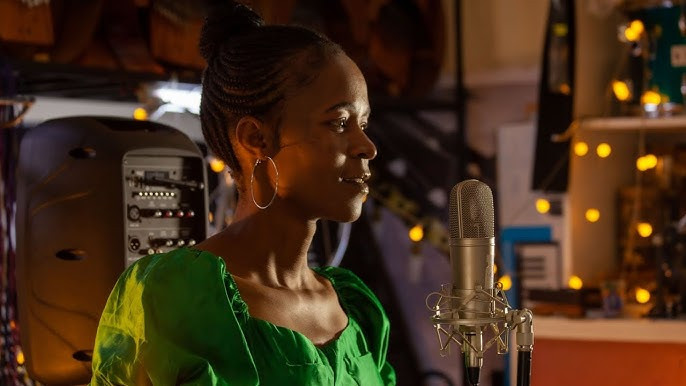
Masvingo-based gospel musician Ratidzo Wekare says the rise of artificial intelligence (AI) is transforming music production by making recording significantly more affordable, especially for upcoming artists facing financial constraints.
Wekare noted that many musicians were now turning to AI-powered tools not only to record songs, but also to create accompanying visuals. This shift, she said, allows artists to produce more content at a fraction of traditional studio costs.
“From what I have observed, AI is making music production cheaper. A good producer may charge US$100 or more per song, but with AI, all you need is data and the right knowledge. If you are tech-savvy, you can produce music for less than US$20,” she said.
She added that some AI platforms even offer free recording options, though often limited to one song per day. Subscription-based tools, typically costing between US$19 and US$30 per month, provide more flexibility.
“If you pay around US$24 monthly and understand how to use the system, you can record as many songs as you want. That’s very different from paying a producer per track,” Wekare said.
While she acknowledged the cost-saving benefits and efficiency AI brings, Wekare highlighted concerns around authenticity — particularly the distortion of artists’ original voices.
“The voice AI generates and your real voice are completely different. I have listened to artists I know who used AI, and it’s hard to recognise them without seeing their names. Some even end up sounding like other artists, which takes away originality,” she said.
She stressed the importance of preserving an artist’s unique identity, suggesting improvements in AI technology.
- Time running out for SA-based Zimbos
- Sally Mugabe renal unit disappears
- Epworth eyes town status
- Commodity price boom buoys GB
Keep Reading
“If AI could allow us to input our lyrics and retain our natural voice, it would make a big difference. People connect with voices they recognise, especially in gospel music,” she added.
Wekare believes that while AI can be a powerful tool for amplifying messages and reaching wider audiences, it must be used carefully. She warned that overreliance on technology could dilute the emotional depth and authenticity that define gospel music.
AI continues to reshape the music industry by speeding up production, lowering costs, and enabling global distribution.
However, artists like Wekare argue that balancing technological innovation with genuine expression remains essential to preserving the soul of the genre.